
Consumer Equipment Product Photography
Smooth surfaces for consumer electronics – no fingerprints, no dust, no streaks, no paint, no color contamination, no reflections, no ... Well, what else is it without? Just don't say that "without an S"... Read on.





Red Trail for Professional Product Photographers
It all sounds like a product photographer's nightmare. Like an unwanted, annoying packshot that no product studio wants to make. Everyone knows it's a challenge (especially two full pallets), but not everyone realizes how much work it requires. For a professional with extensive experience, this is another subject to photograph, for beginners – a path through torment. So don't let everyone cross the threshold, don't let everyone step on this red trail for professionals: Abandon all hope, you who enter.
Digital jungle and the fight for the customer
The e-commerce market is an arena where sellers like gladiators from FAME MMA fight for attention, for the best possible sale, for every customer to the last penny, euro cent, cent, kopeck or denarius. Packshot product photography is not some whim, luxury or talk of an old millennial grandfather. It's a necessity, it's a standard today – it's something without which you can't talk about any sales at all.
Customers are demanding. The visual content you serve in your online store or sales platform is crucial. The more professional product photos you have, the more likely you are to sell. If you shop online yourself, wouldn't you rather see the product you are interested in from every angle, if you can't touch it? You wouldn't want to have as many macro shots as possible, or maybe you'd even like to look inside? Of course you would like to, there is no need to be charmed. So don't make a fuss and have the product photographer photograph what he wants and from which side he wants.
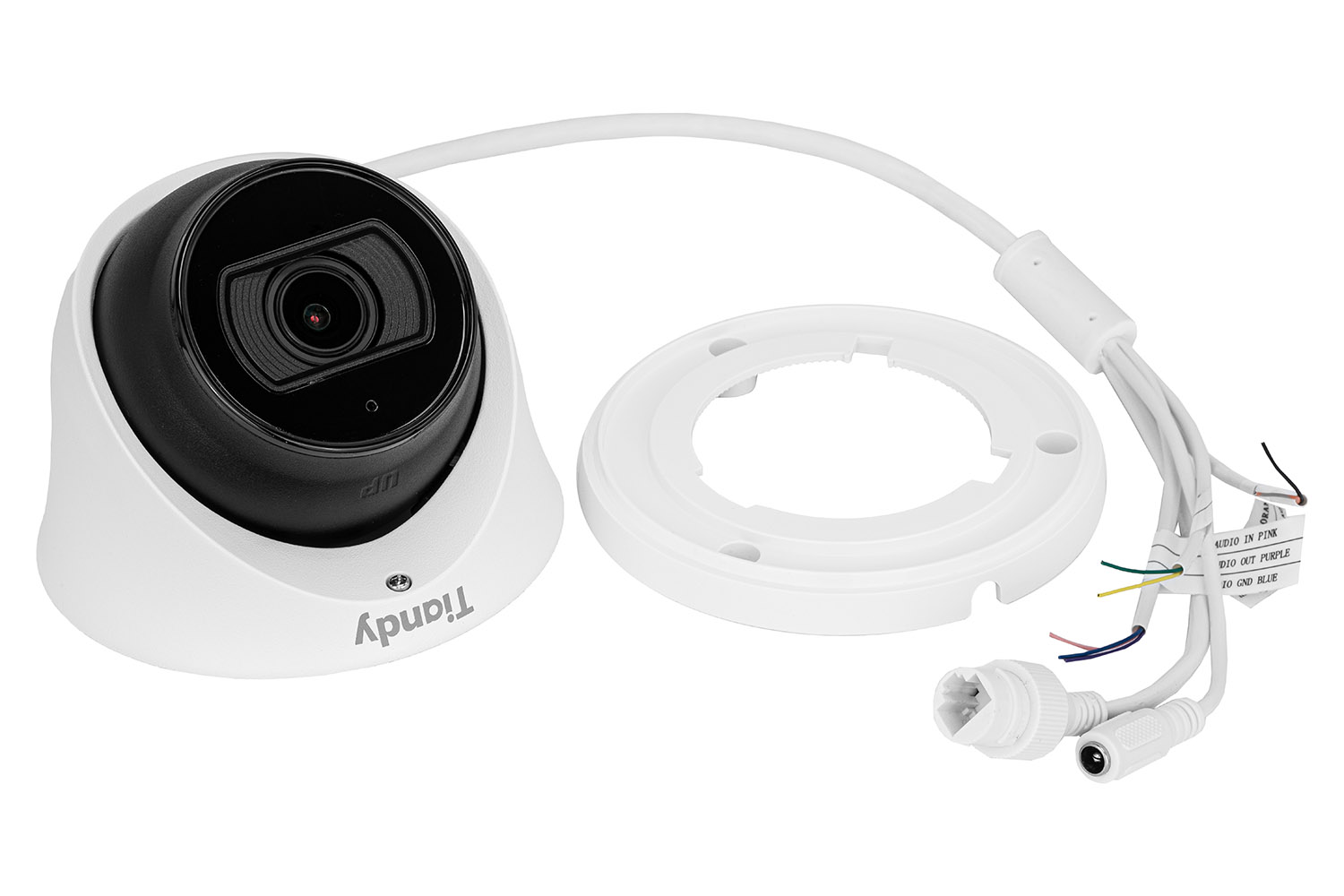
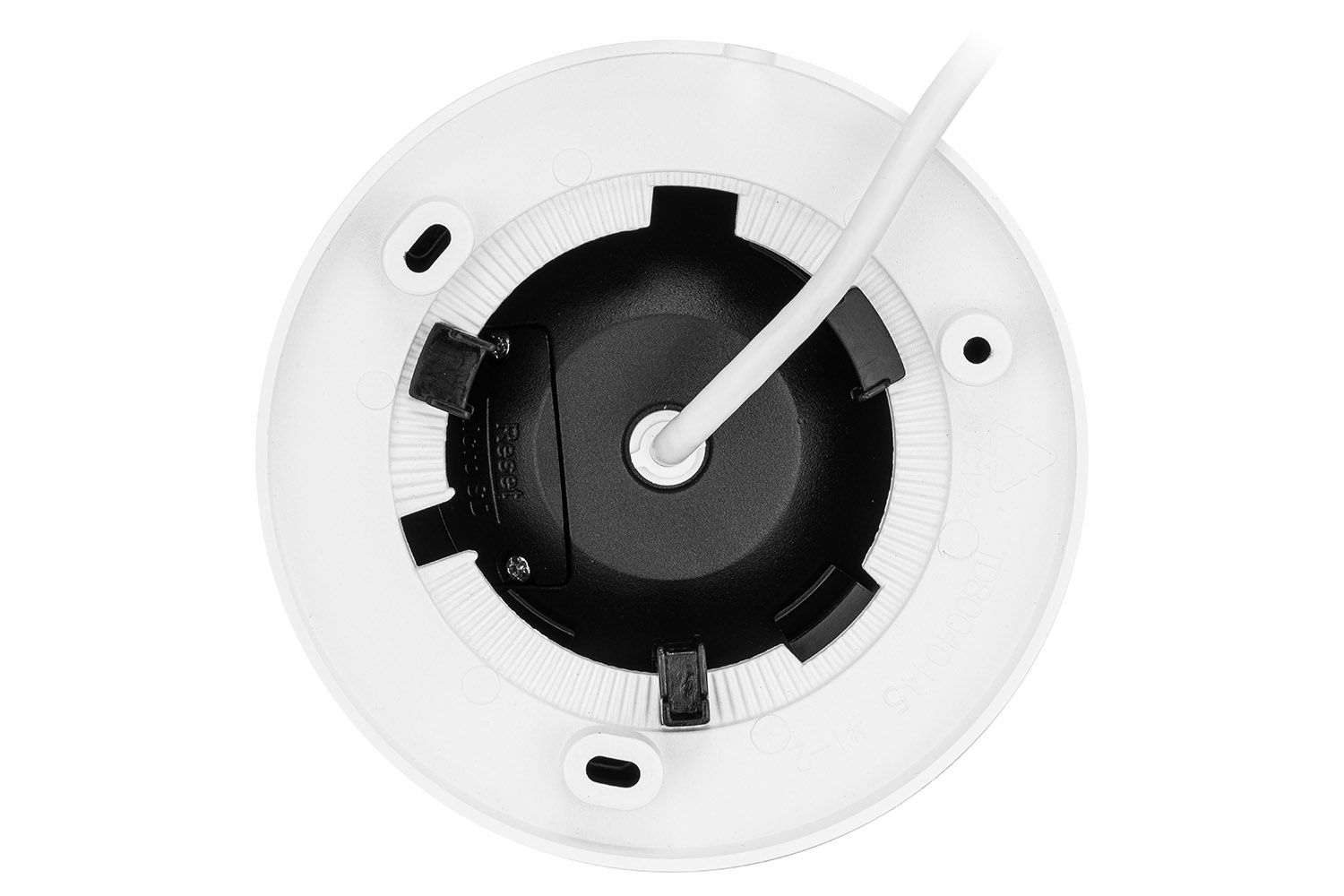
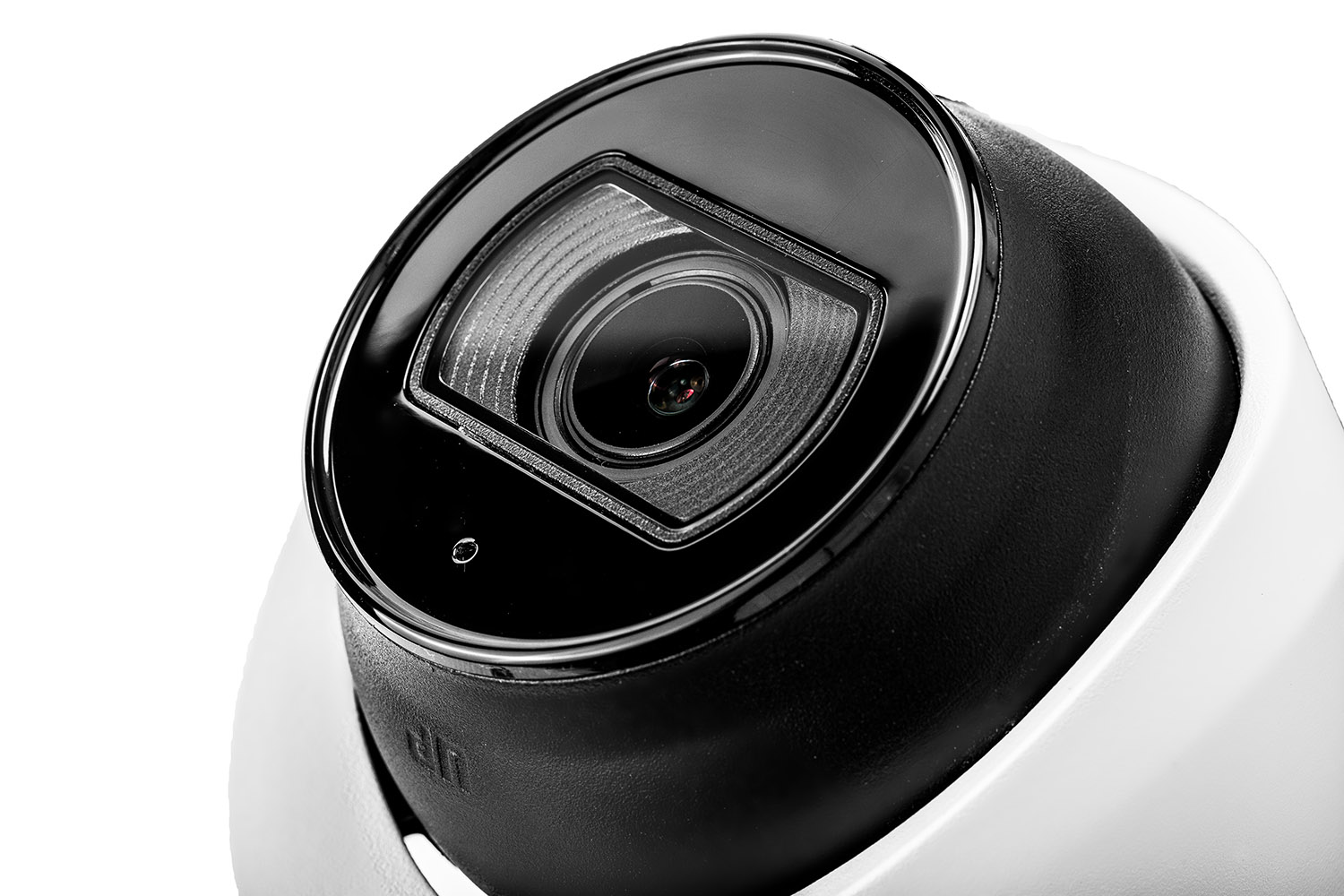
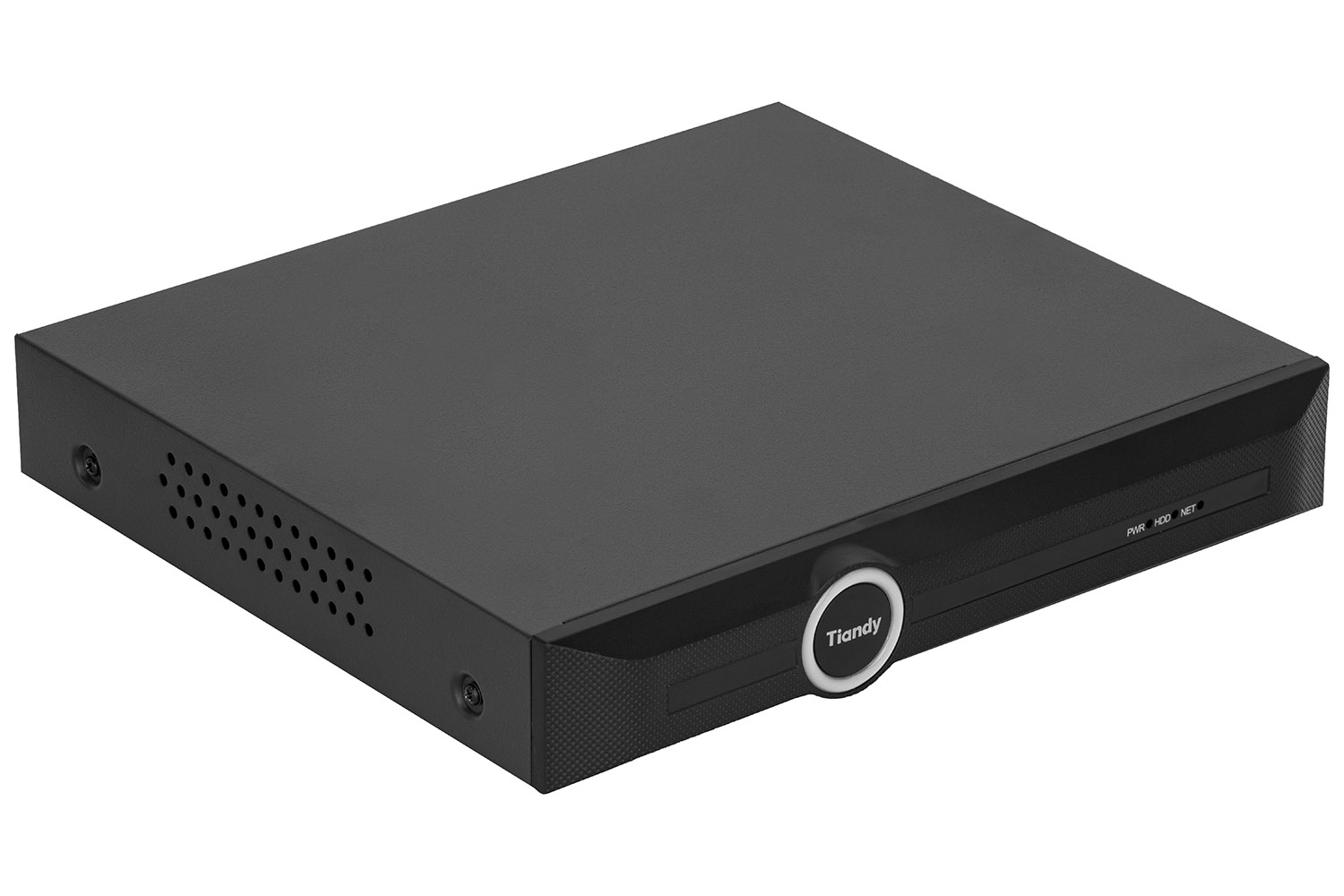
Images of security products, such as advanced NVRs from Tiandy (a manufacturer of CCTV security systems), are a unique challenge for every photographer. They require excellent craftsmanship and a strategic approach to the management of light, composition and unique texture of materials. How is a professional electronics product session carried out so that ready-made staff attracts the eye and really supports sales?

Heavyweight Challenge: Matte, Satin and Dust Fighting
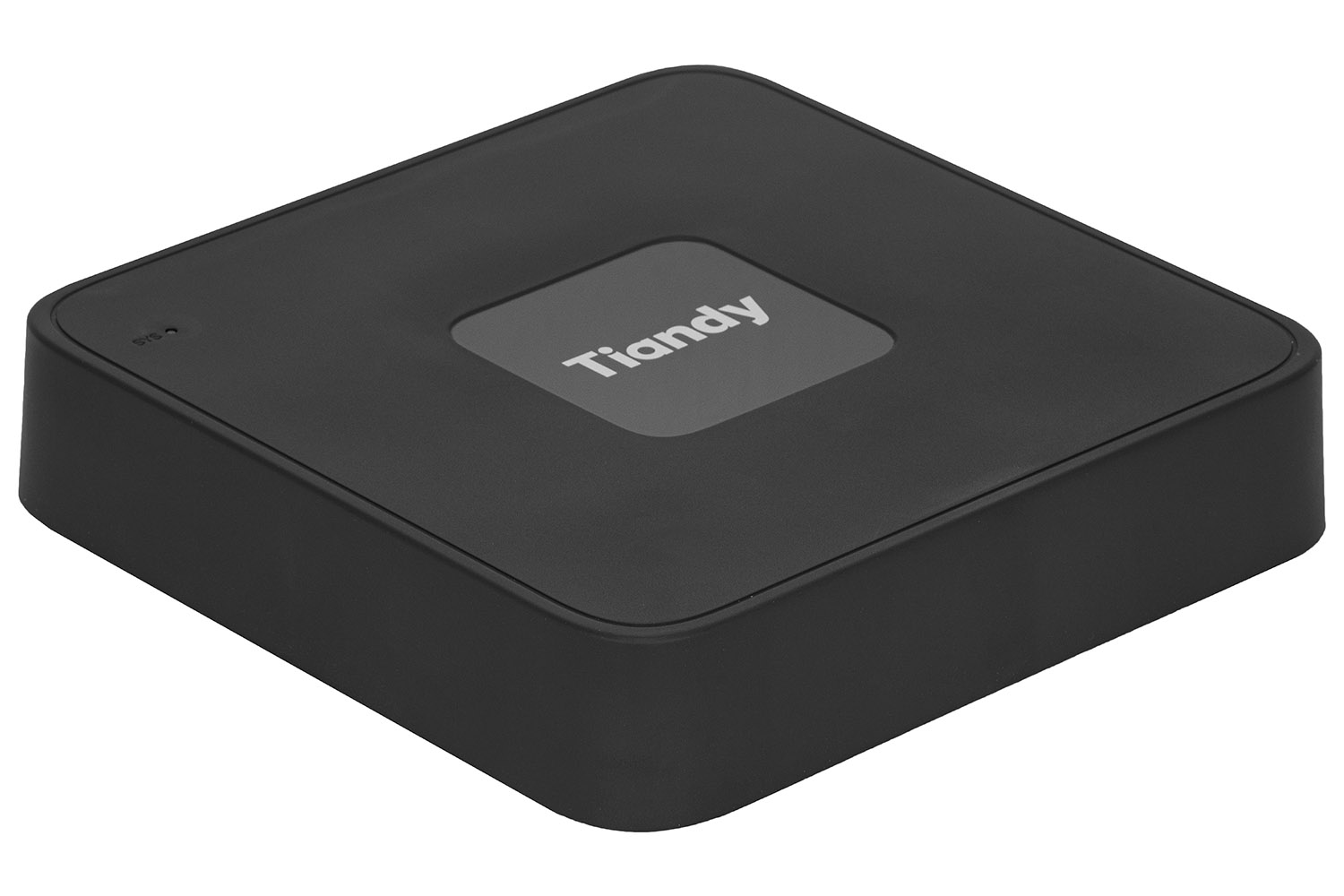
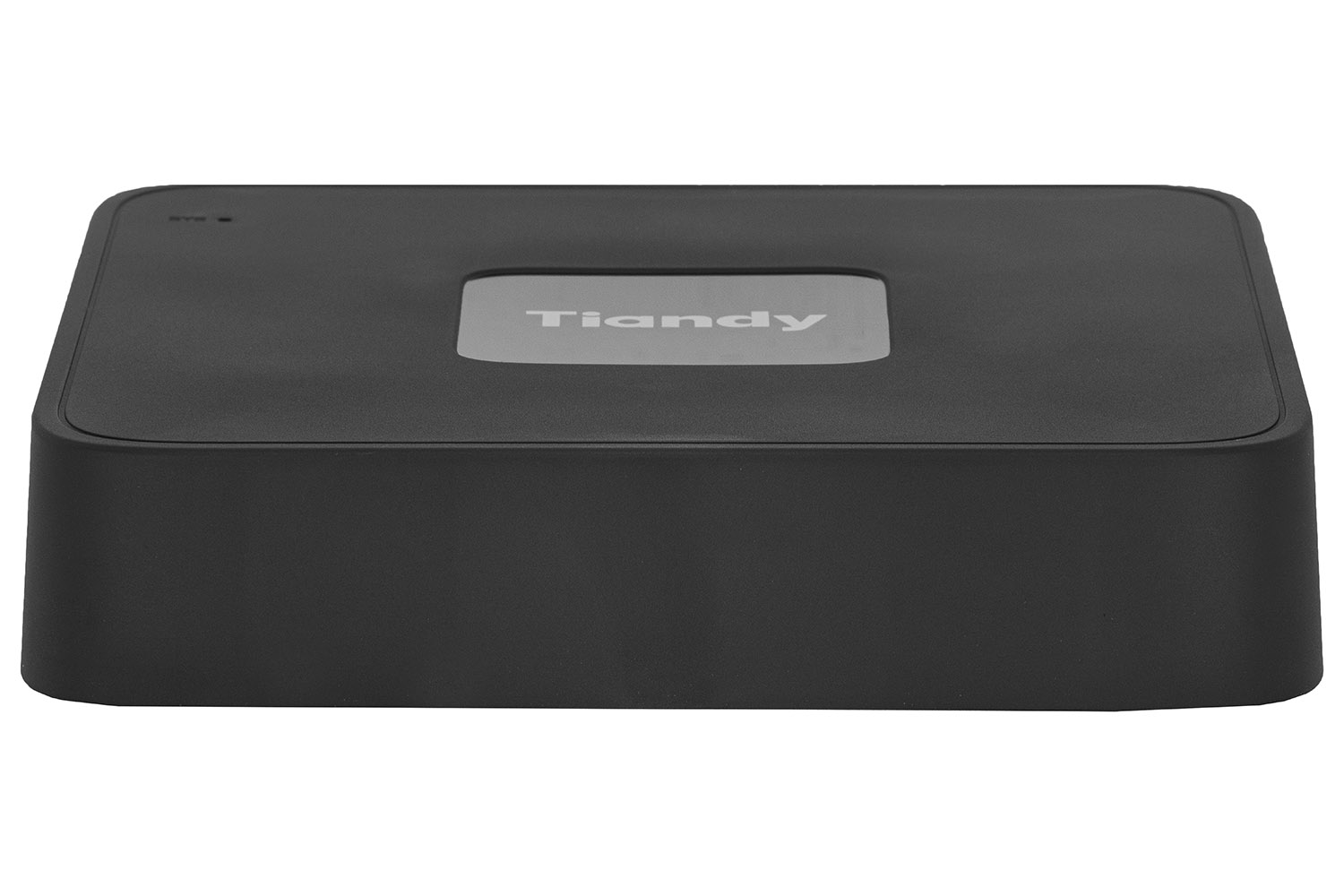
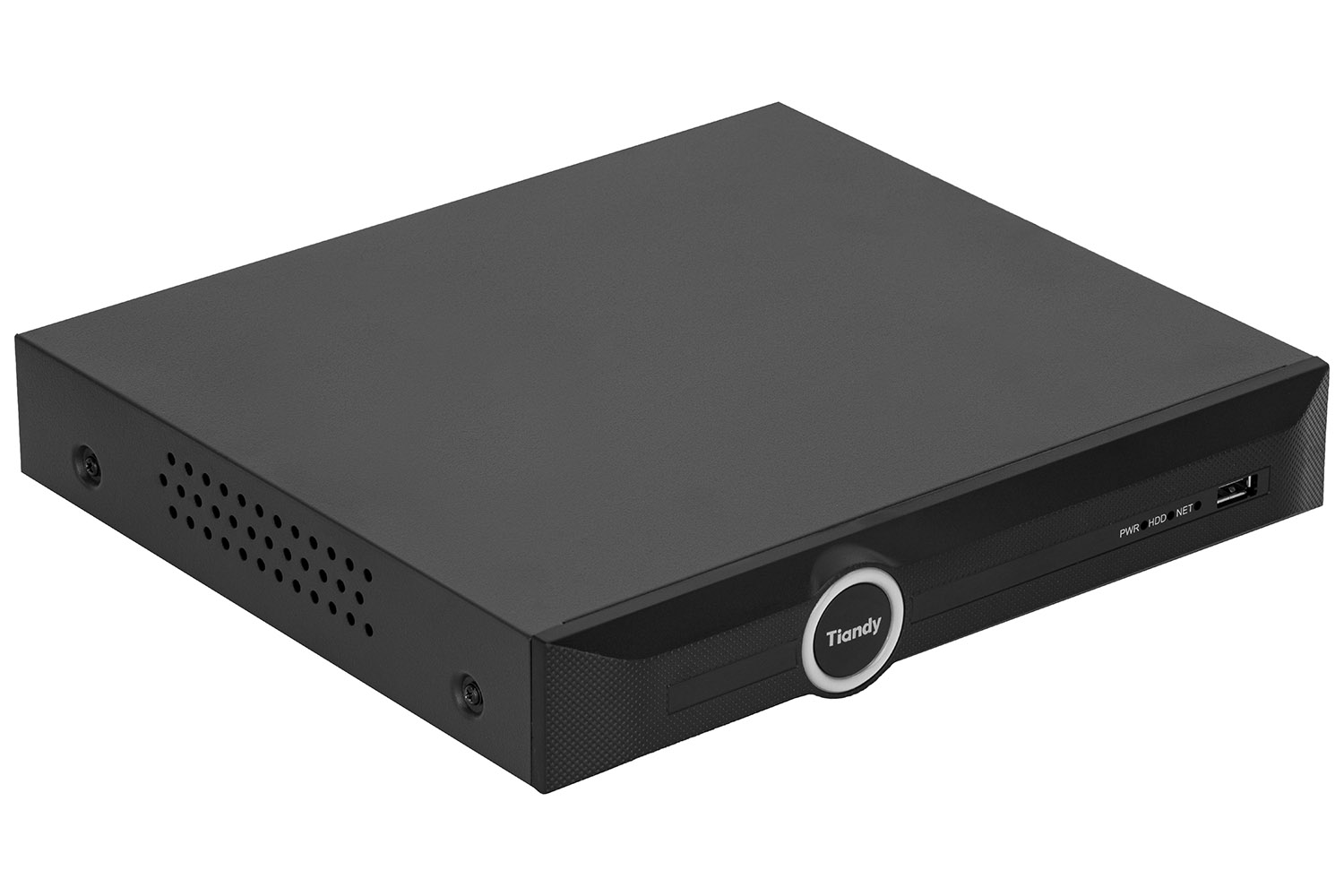
One of the most tedious tasks faced by a product photographer (for the purposes of this article, let's call him a packshotist – a bit like a chess player, or a packshotgrapher – a bit like a photographer) is a faithful (more than many husbands) and aesthetic (like not every wife) rendering of dark, matte surfaces. On the example of Tiandy DVRs (TC-R3104 or TC-R3105 models), the dominance of matte material with a delicate, satin finish is clearly visible. Such surfaces are (unfortunately) prone to absorbing light (and the photographer's time), which can make the product look flat and expressionless in unprofessional photos. I don't hide, it can be sad even for the product itself.
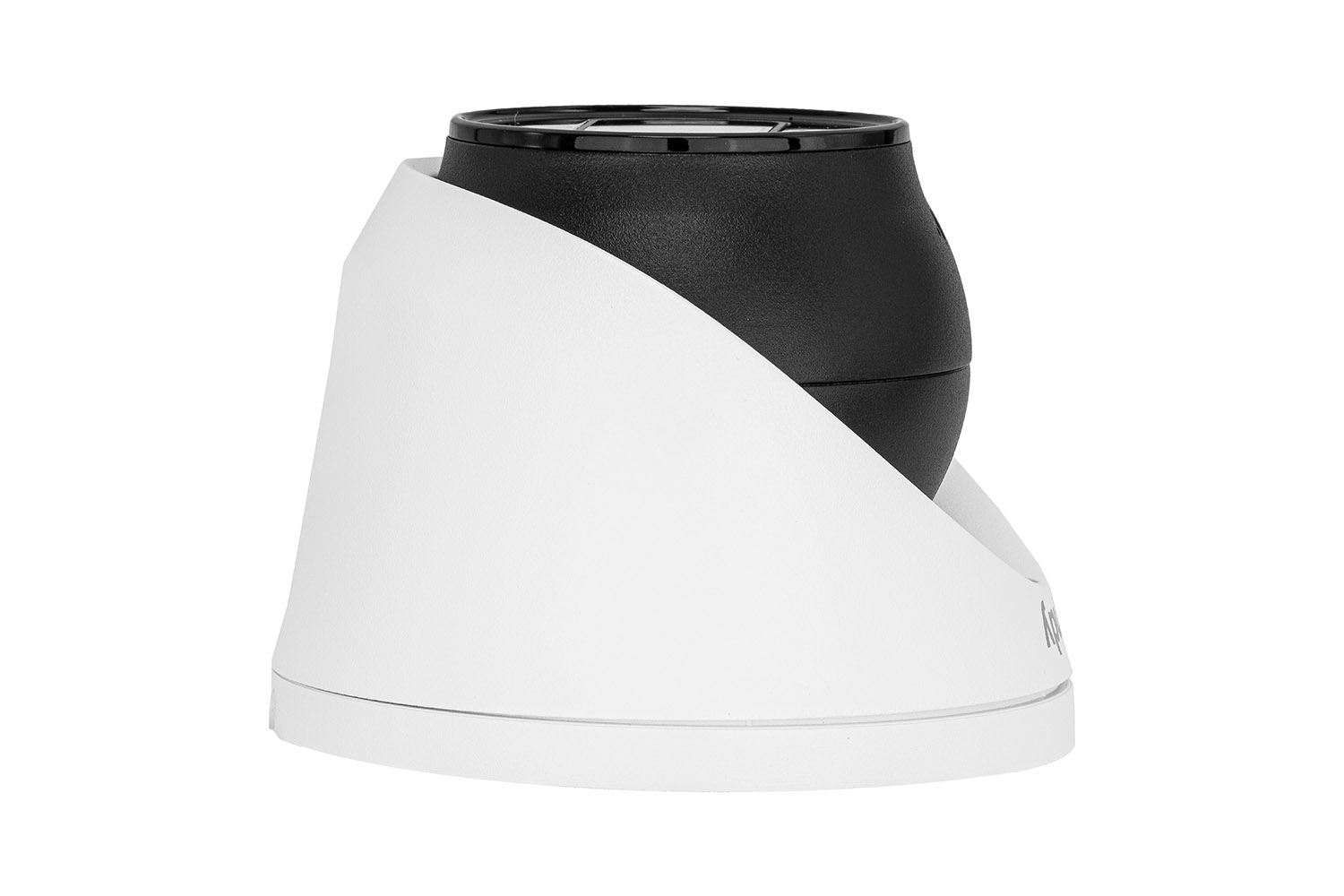
Instead of banging aggressive light like Tyson on Golota, you need to use large distracting planes: large softboxes and quite large diffusers. What for? So as not to put the product on the boards. This gives you soft, gradient tonal transitions at the edges of the case that equilibristically and at the same time delicately draw the body of the object.
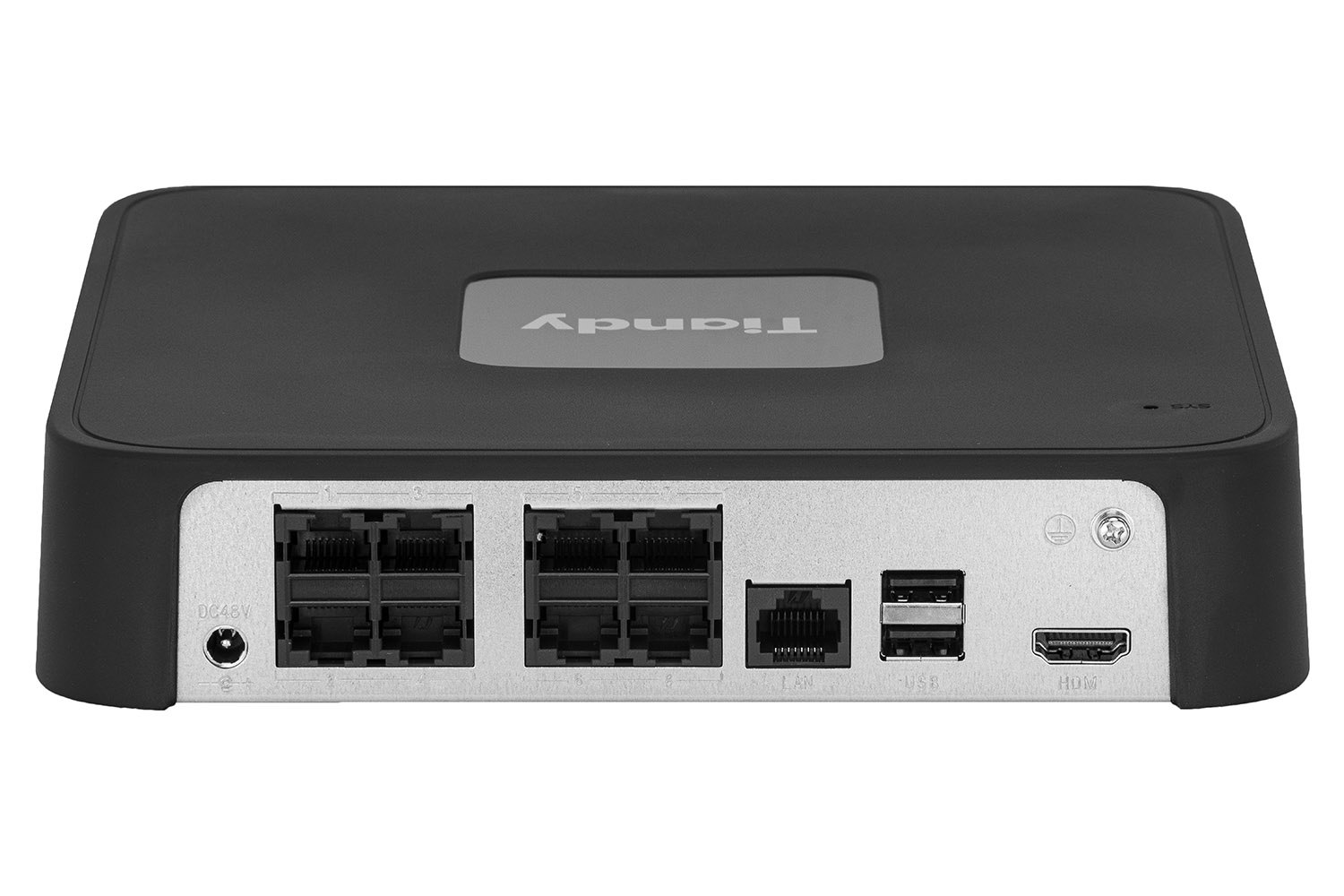
The centrally placed, glossy Tiandy logo on the top panel, on the other hand, requires the use of a controlled specular highlight, which will distinguish the smooth structure of the logo from the rough rest of the case. There must be no dust, the surface must be immaculate. Sounds like an idyll, doesn't it? (Although there is actually a lot in this retouching – there is no chance that no pollen will fall on the product). To get closer to perfection on set, you should passionately use compressed air and antistatic brushes.
Product photography, especially consumer electronics, is not about office documentation. It is a story about the reliability and reliability of the photographed product. Matte black must be deep and noble, not gray and noisy like a black-and-white TV from Unitra, which does not perceive well.
— Mikhailo Coleylo
Not only the front, or what's hidden behind
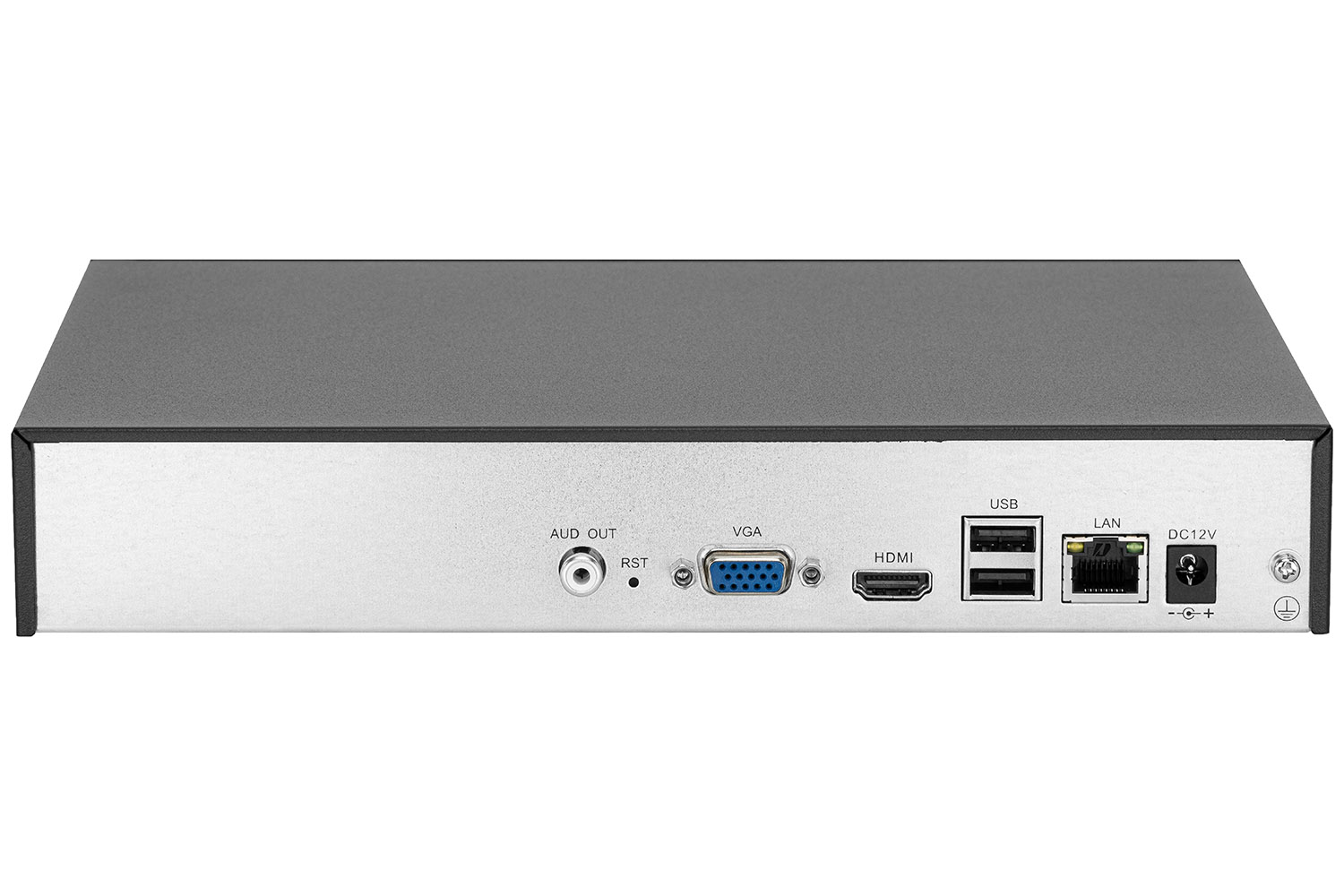
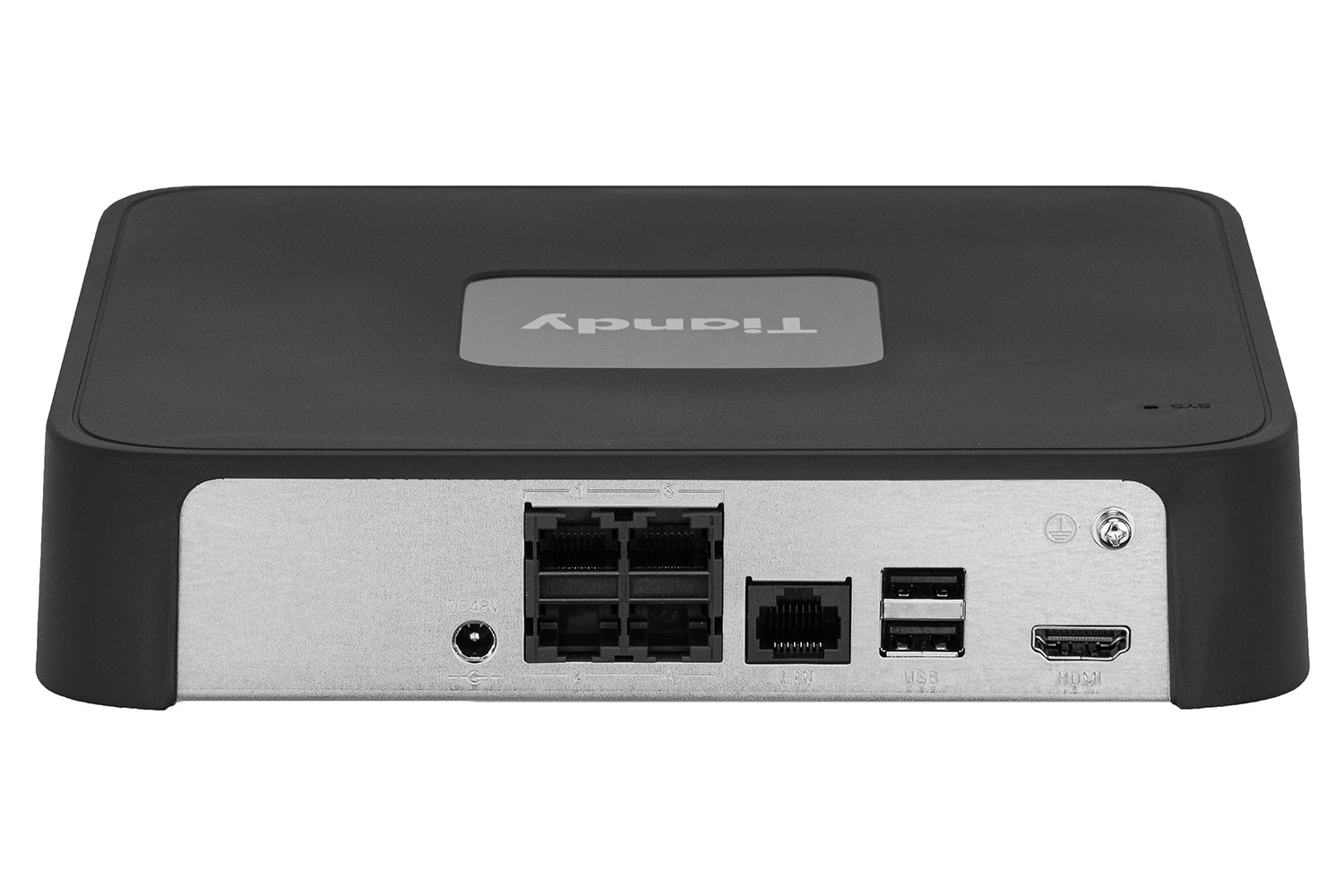
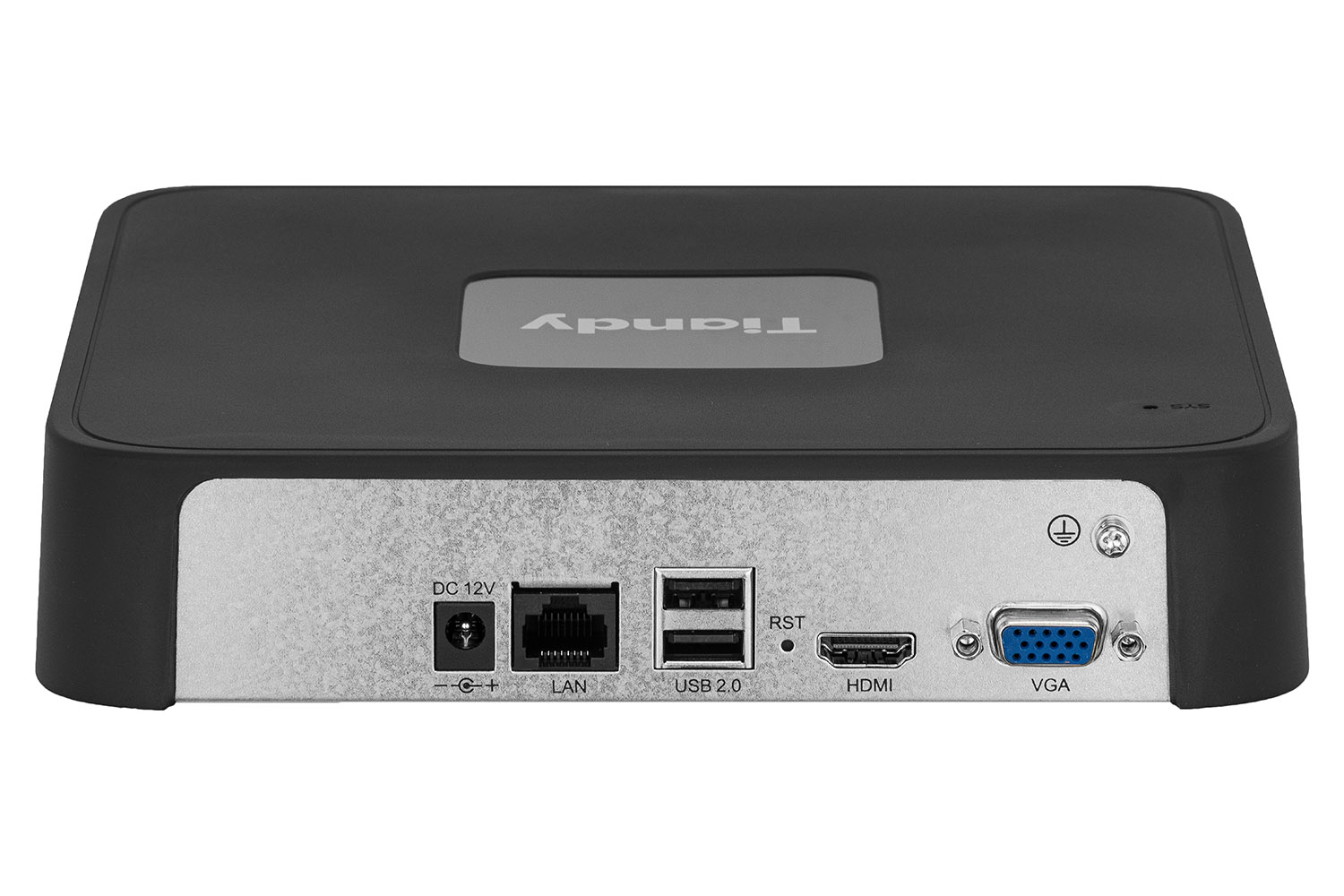
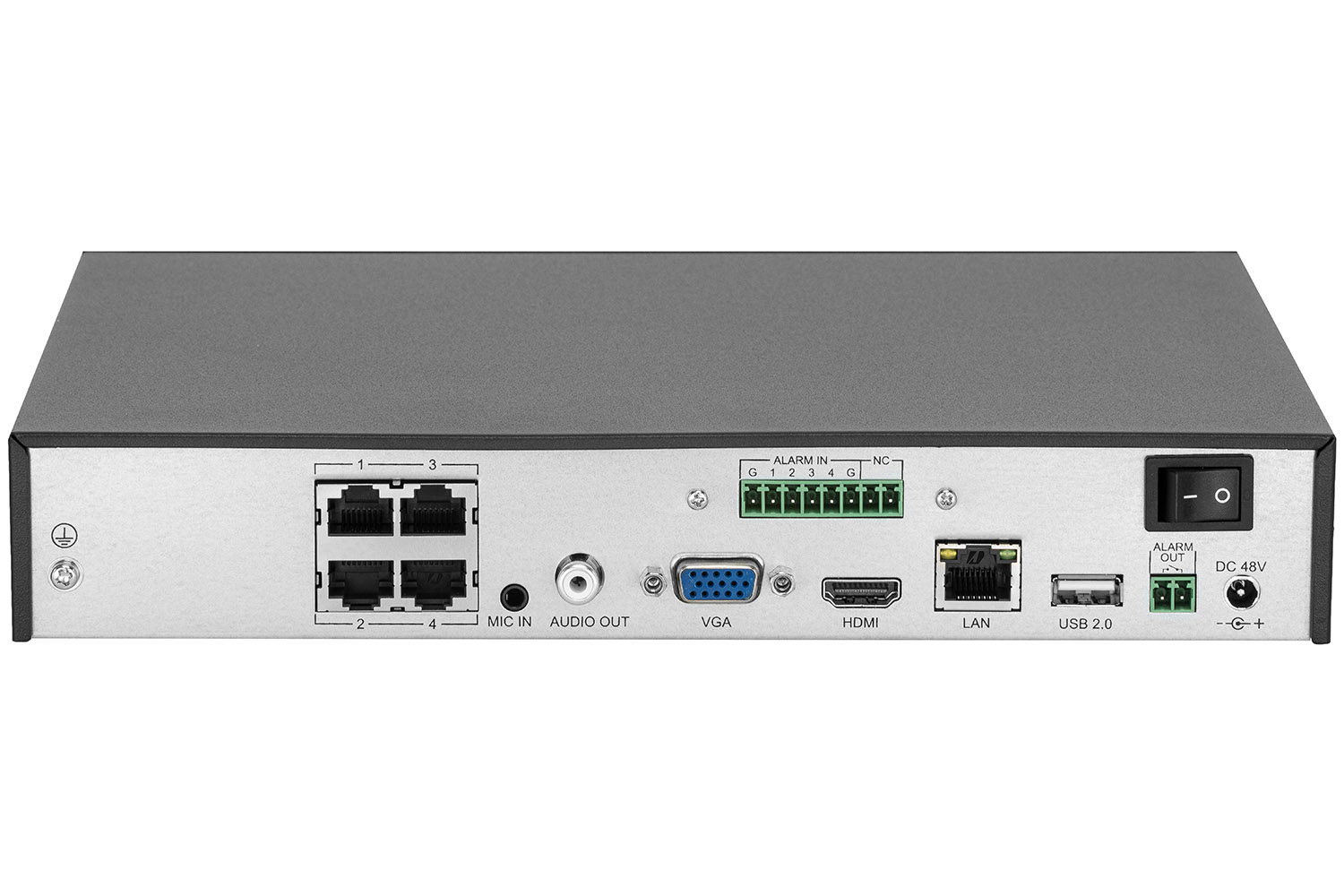
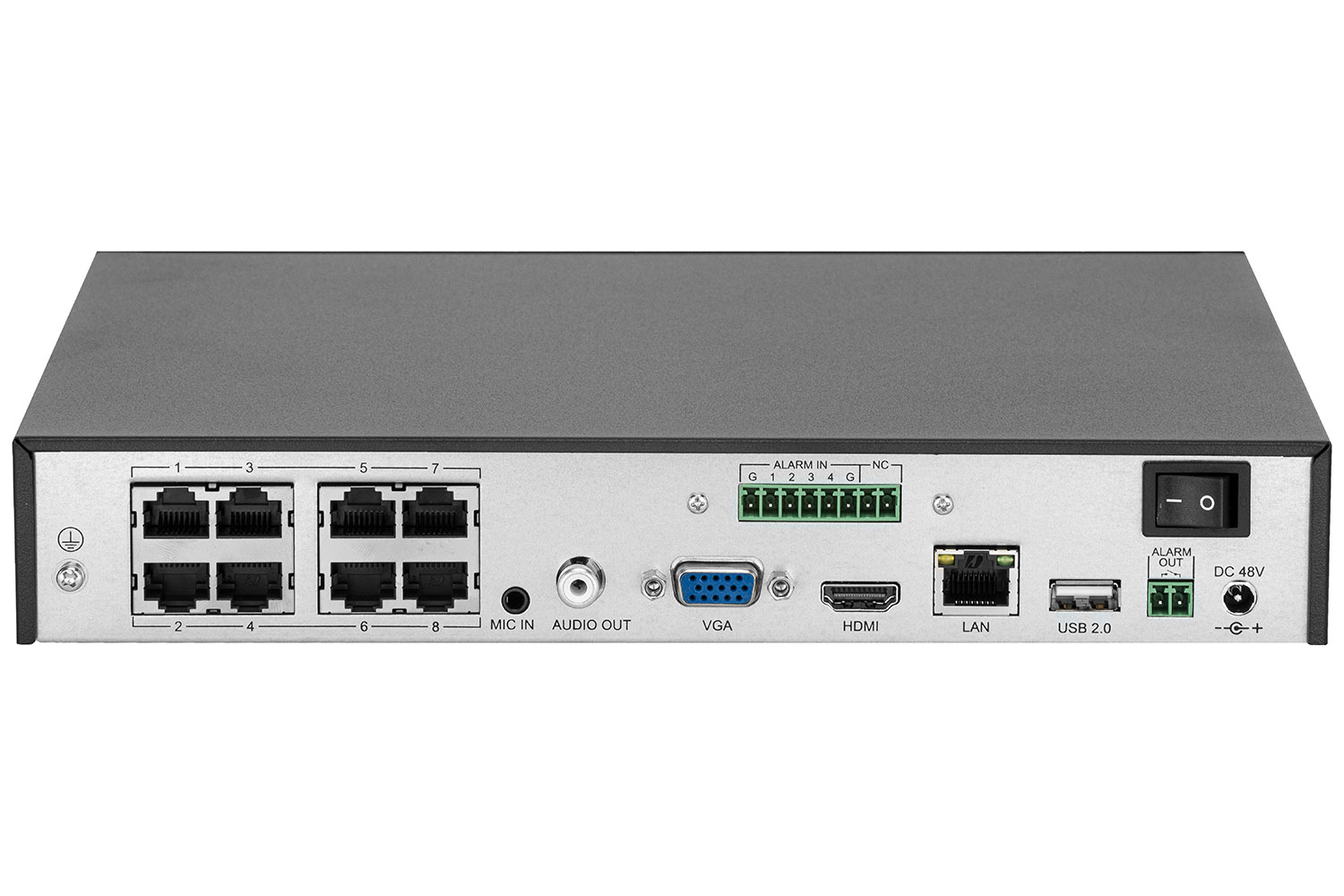
When making a front, you can't forget that much. The back is important, and sometimes even more important than the front. These serious considerations could get stuck on your back, but no – we have to go further. We need to show the connectors, the back panel, show the HDMI, VGA, LAN ports, PoE connectors or the dedicated green terminal cubes in the TC-R305 models. These shots must be characterized by perfect technical legibility. Focus must be in every plan, and here, all in white, focus stacking comes in.
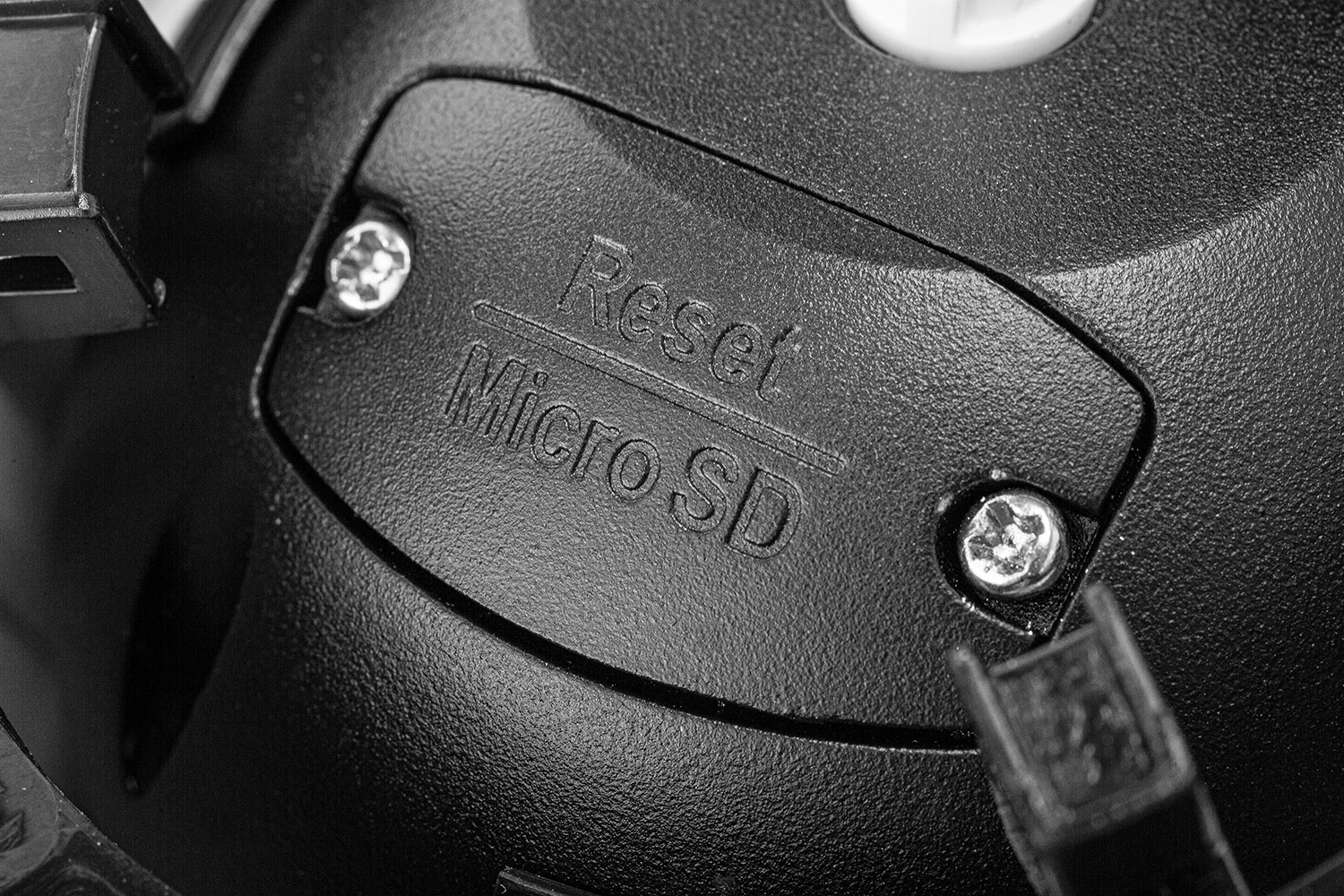
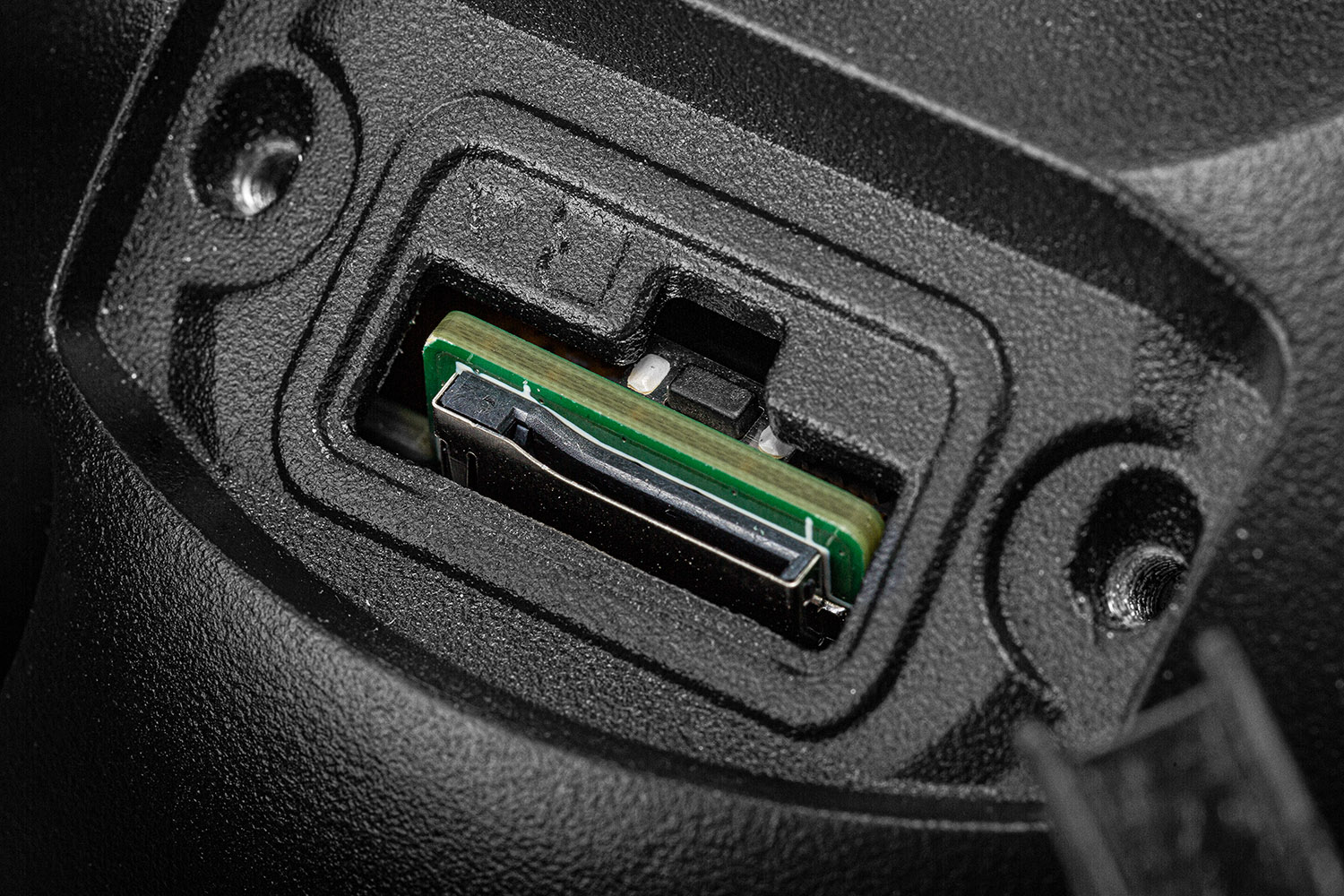
This technique involves taking a series of several photos with a shifted focus plane, and then combining them in the post-production process. Thanks to this, we obtain large-format catalog photos with impeccable detail. In addition, the metal, silver back panels require the use of polarized screens and blends that eliminate unwanted flashes, allowing for perfect exposure of the descriptions of individual ports (DC12V, AUD OUT, RST).
Knolling, or put it simple
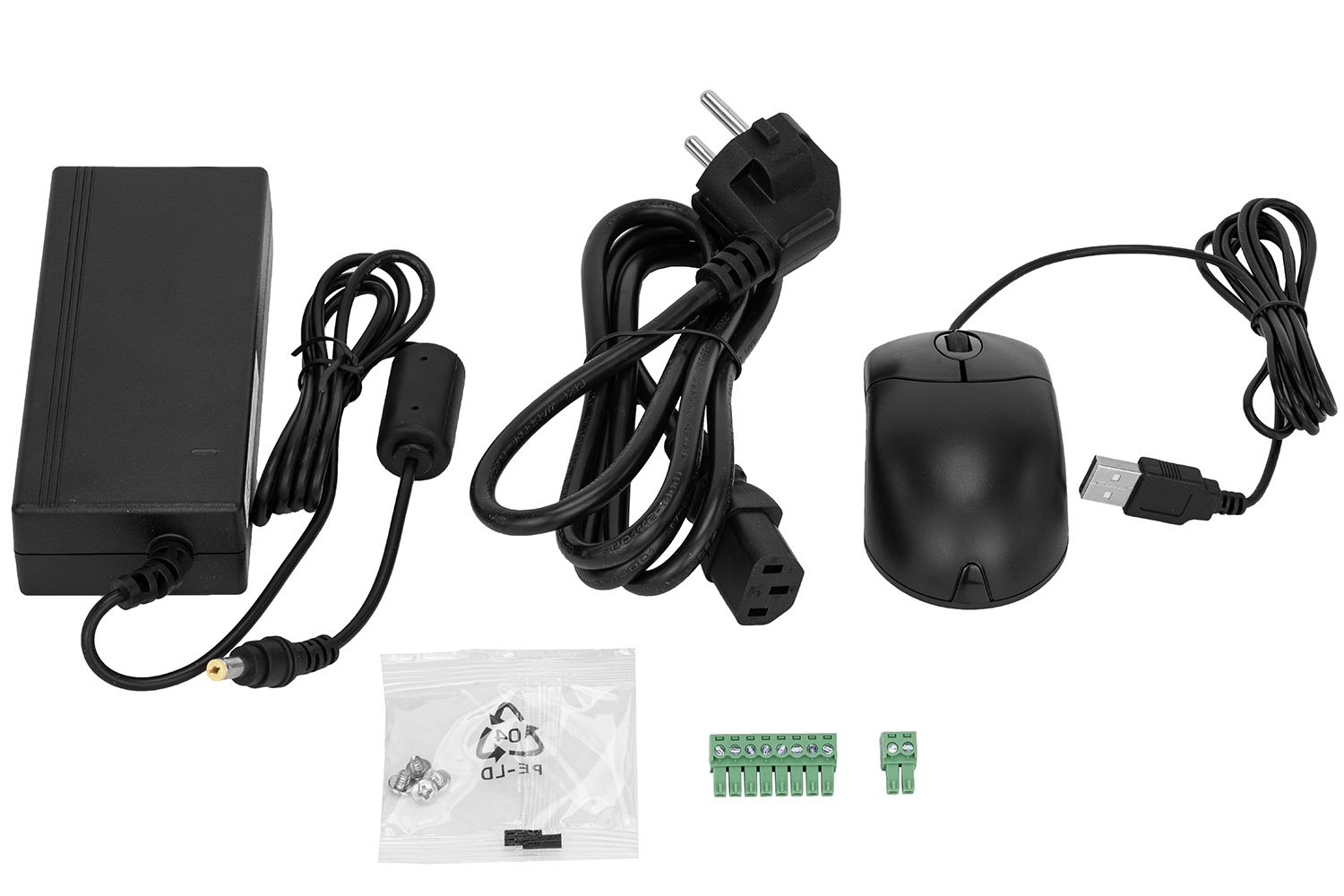
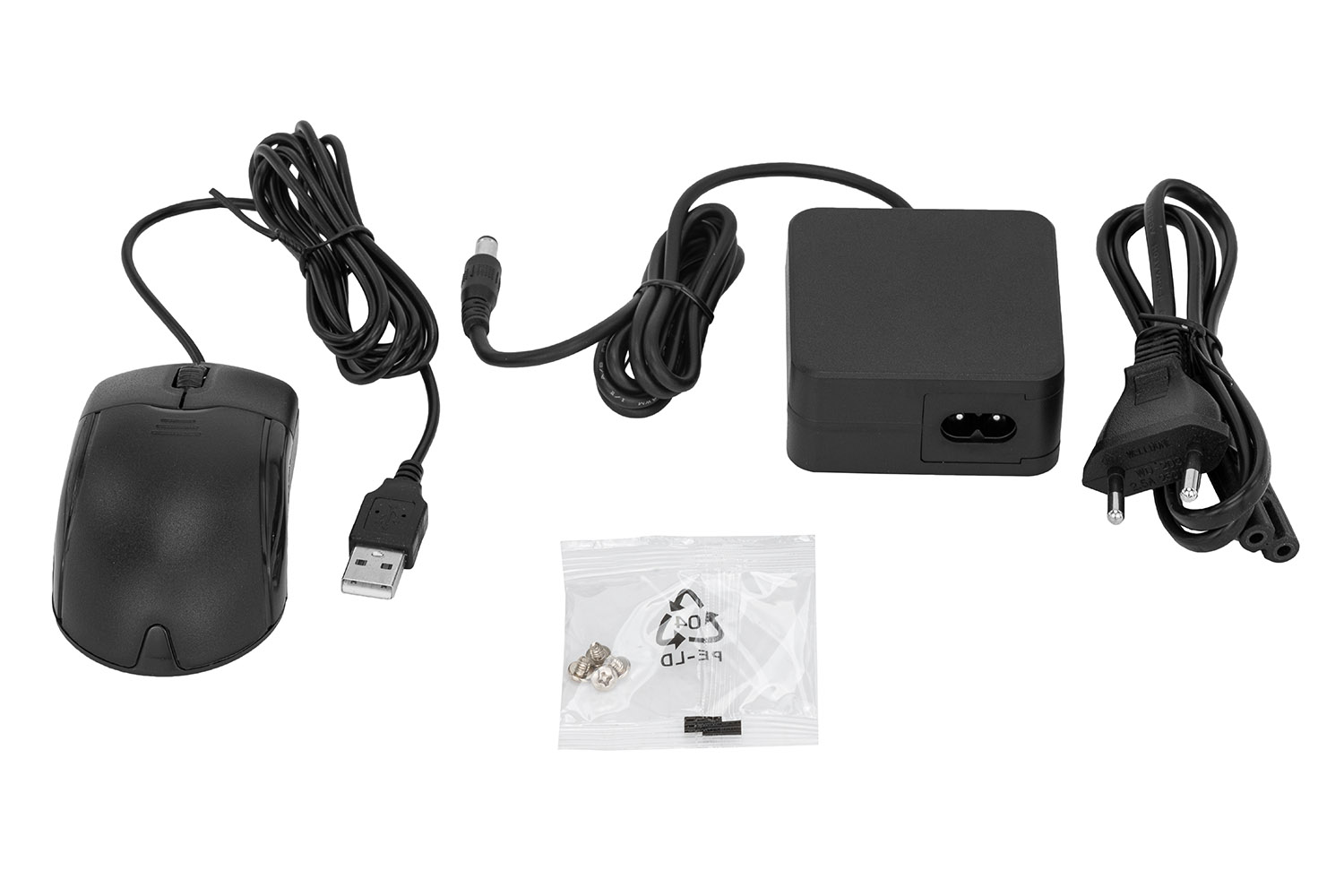
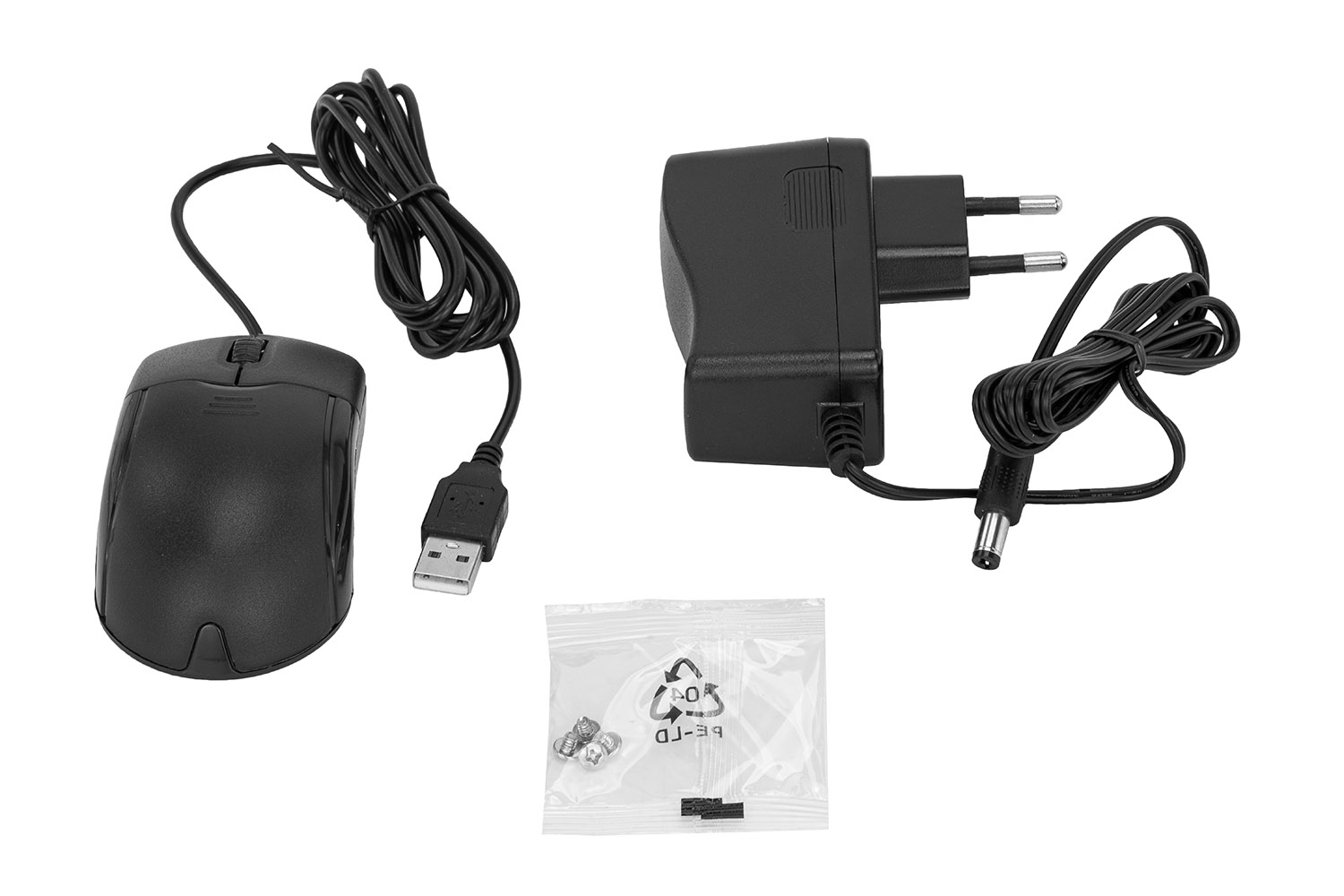
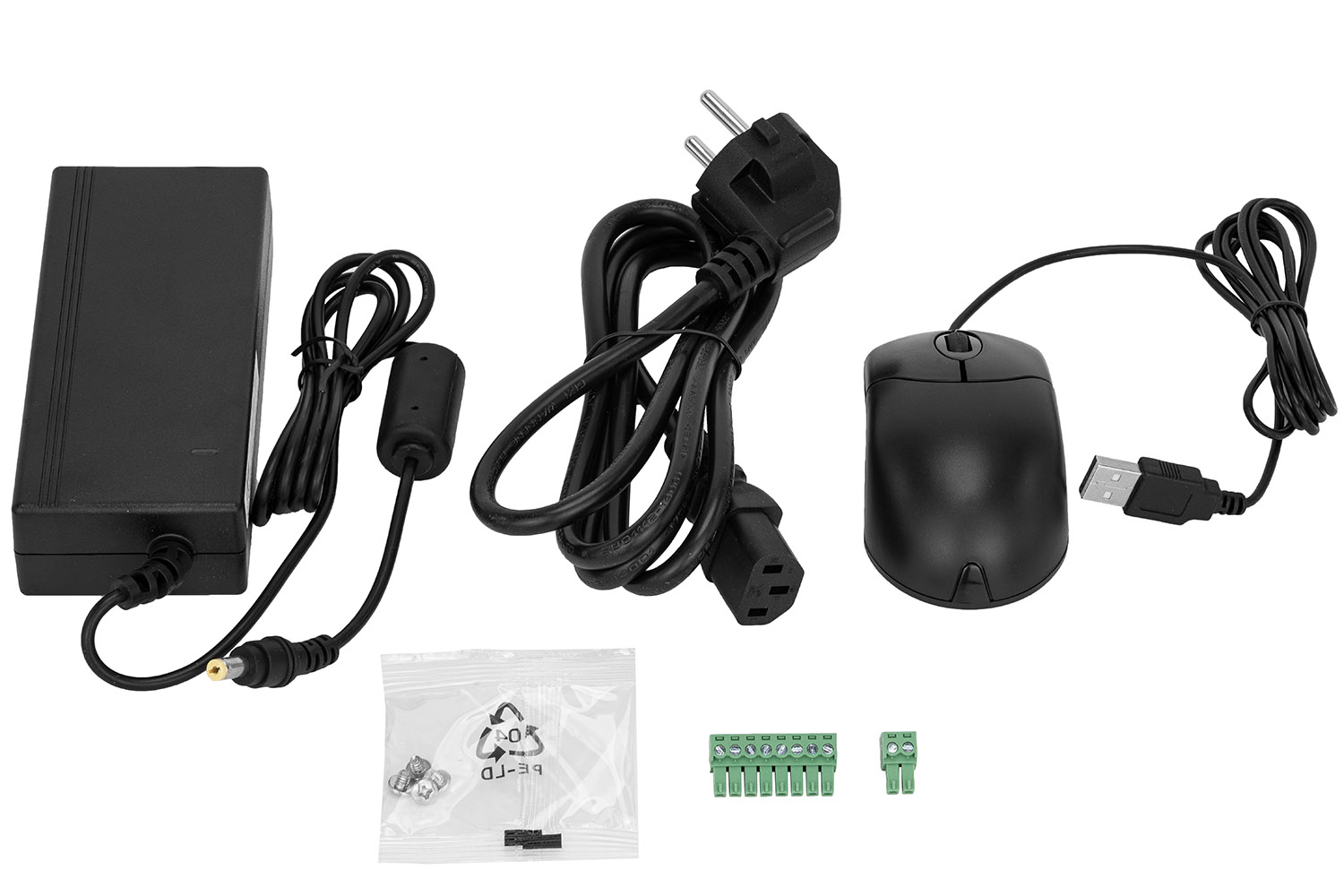
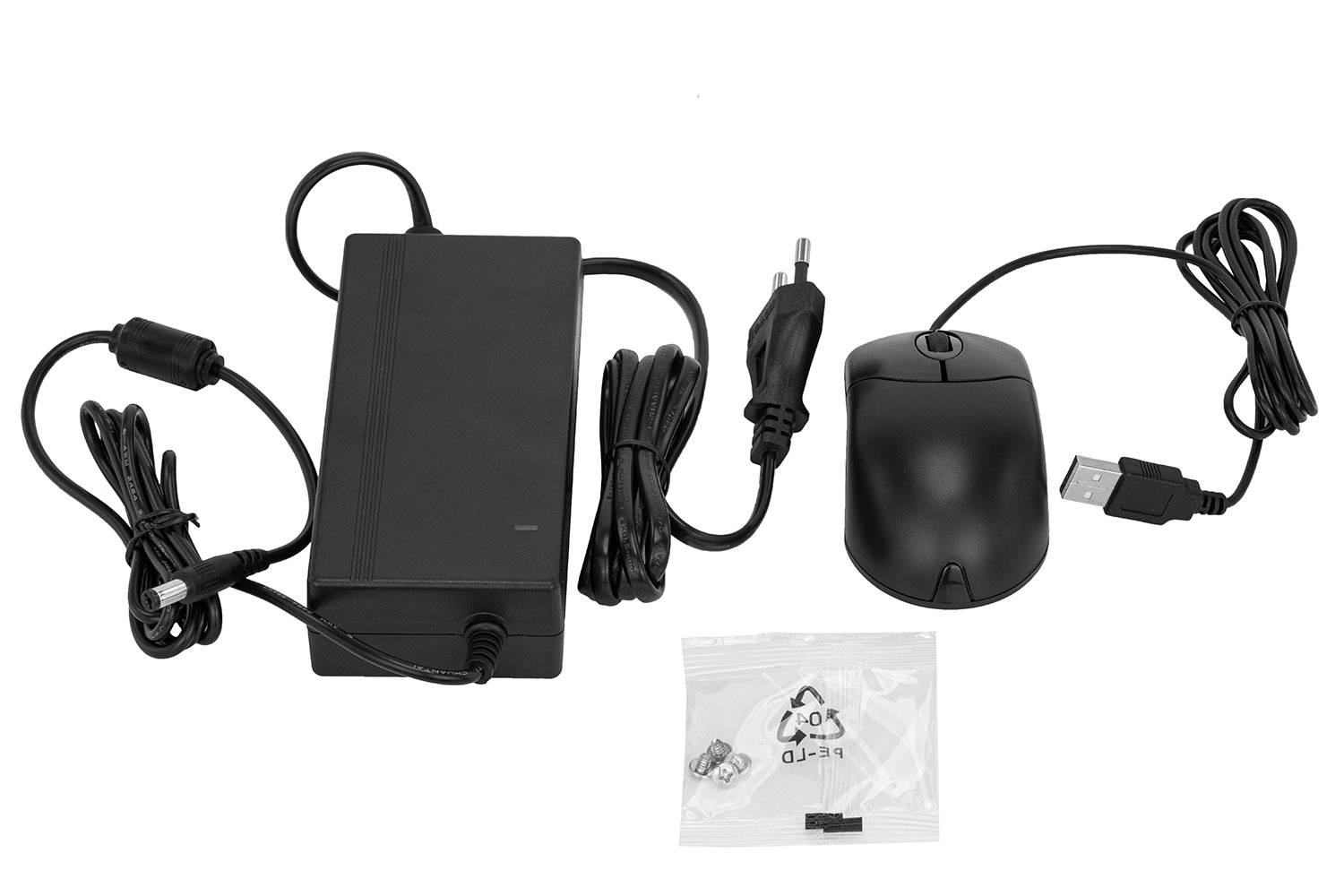
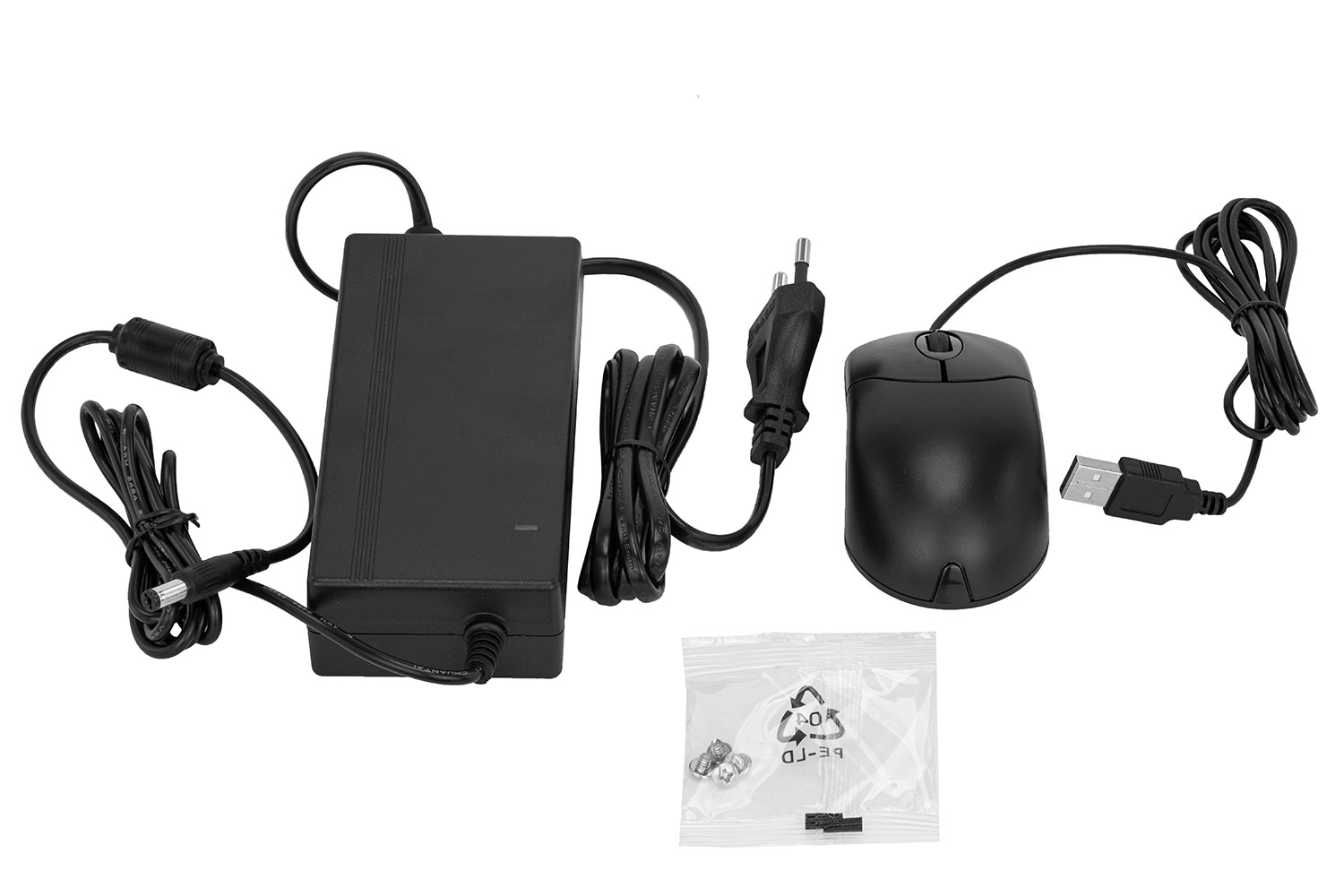
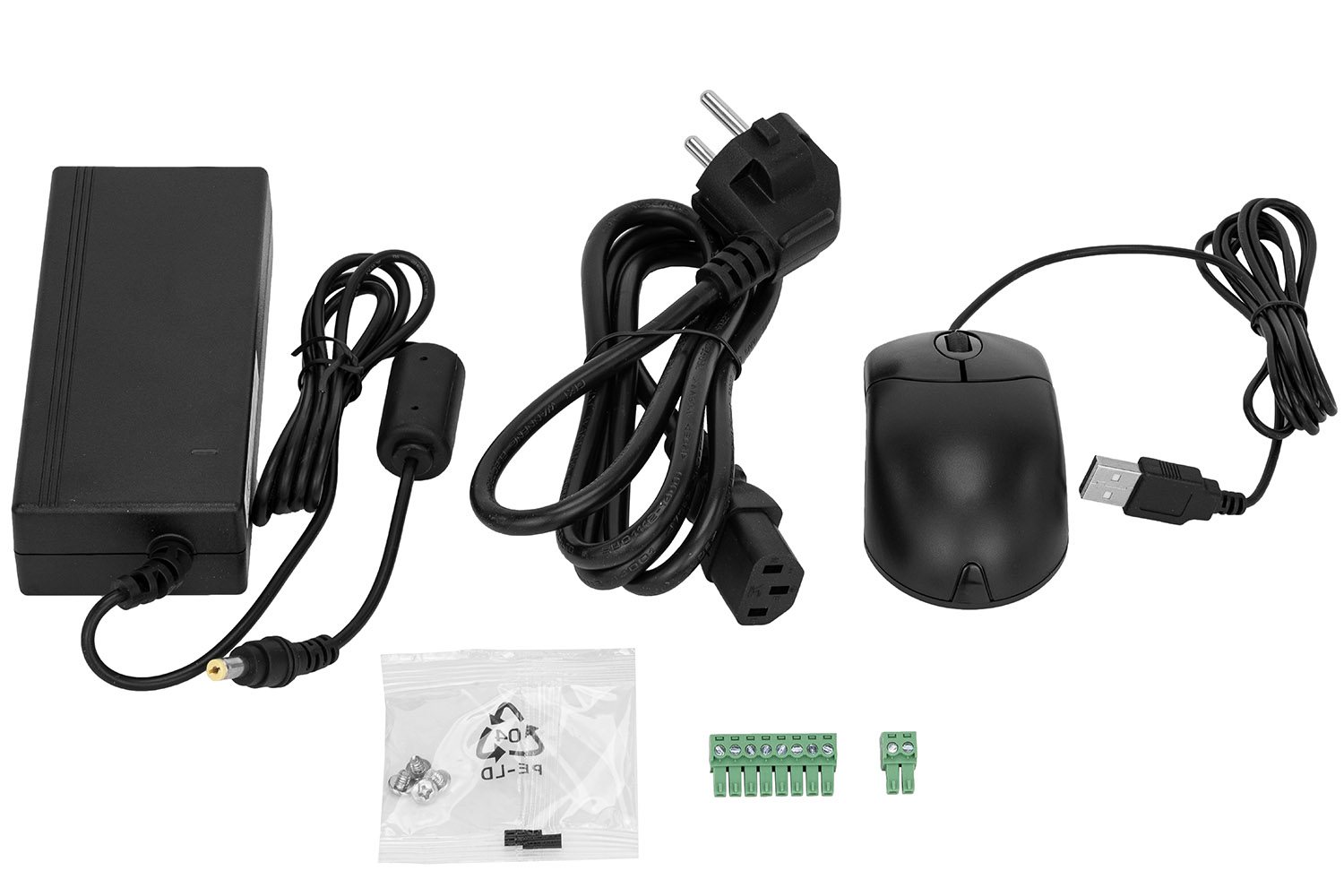
In addition to the main product, you need to photograph the other elements of the set (it's boring, but you have to), e.g. using the increasingly popular knolling (something like a flat lay, i.e. a product photo from above). Arrange the related objects at the right angle from each other to maintain the proportions.
If there are many elements, you may need to photograph each one individually and then combine everything in one photo. It happens anyway, so sometimes the workload should be reflected in a higher cost estimate (the price of a packshot may increase). You could say that it costs millions of coins, but it's better not to say it out loud.
The magic of post-production: From "raw meat" to a work of art
Even the most polished product photo straight from the camera is not the final product. It's just raw – a bit like meat. Packshot photography of consumer electronics has a habit of crawling through tedious retouching: removing micropollen, factory scratches, imperfections of plastic castings (pixel-cleaning), which then turns into straightening perspective lines (to maintain proportions) and maintaining color consistency. And so, finally, after so many difficult life experiences, you get an exclusive touch. Not a snitch, although you can rub against it.
Contemporary commercial photography is much more than just a craft (I explain it to myself every day). It is a strategic element of building brand identity and competitive advantage in e-commerce. High-quality product sessions directly translate into an increase in the conversion rate and a significant reduction in the return rate. A customer who receives a product that looks exactly like in the photo is stunned (he will be shy, he won't whine, so it's worth spending some money on this product photographer).
By presenting advanced equipment such as Tiandy systems with visually refined packshots, we send a clear message to the market: we offer a top-class product, taking care of every, even the smallest detail. If you want your products to stand out with their professionalism, bet on a proven photo studio.

