
Folk dress fashion photography
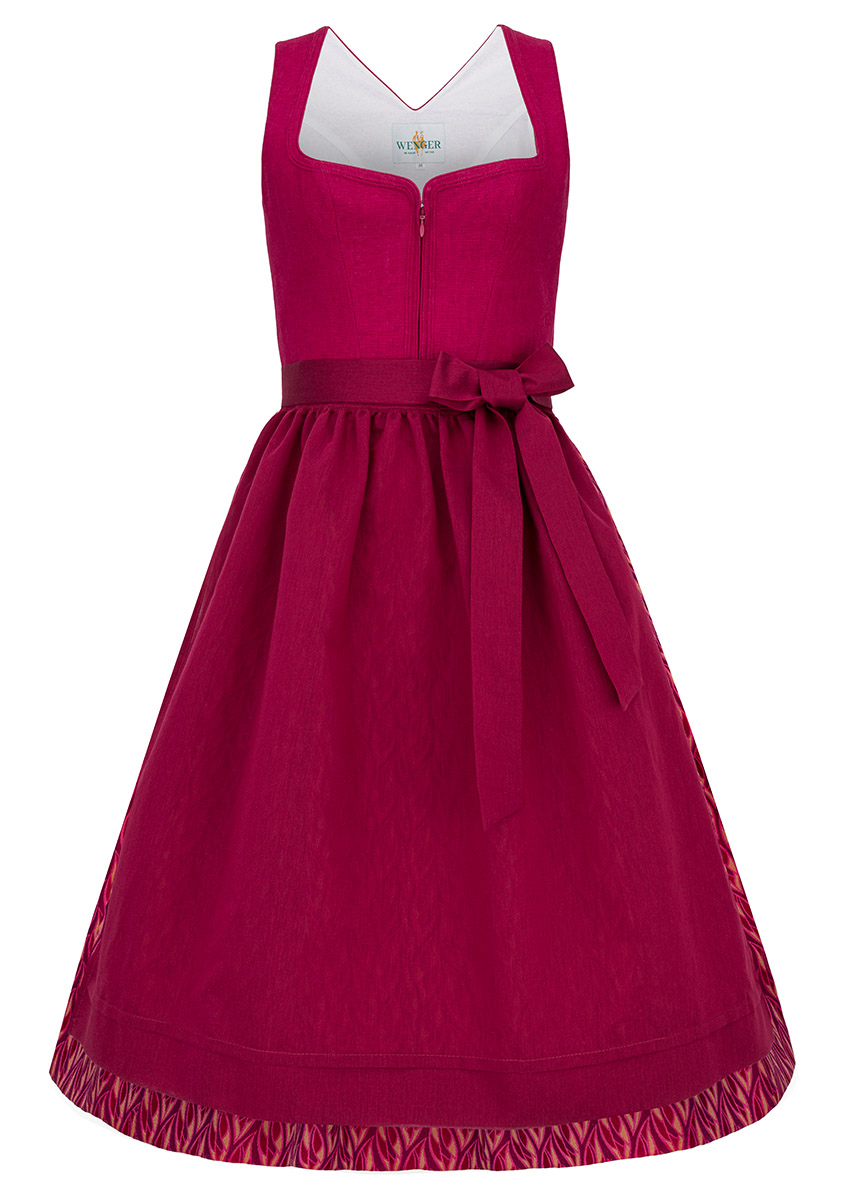
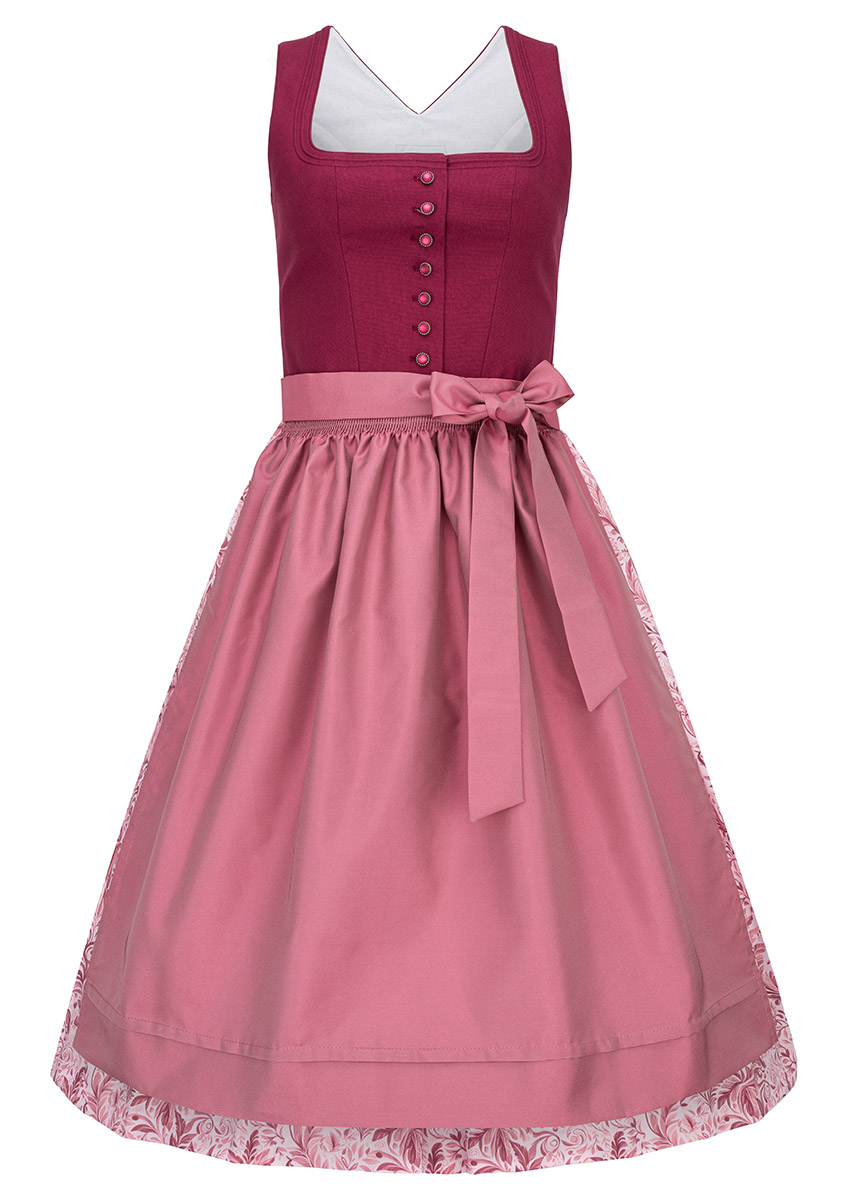
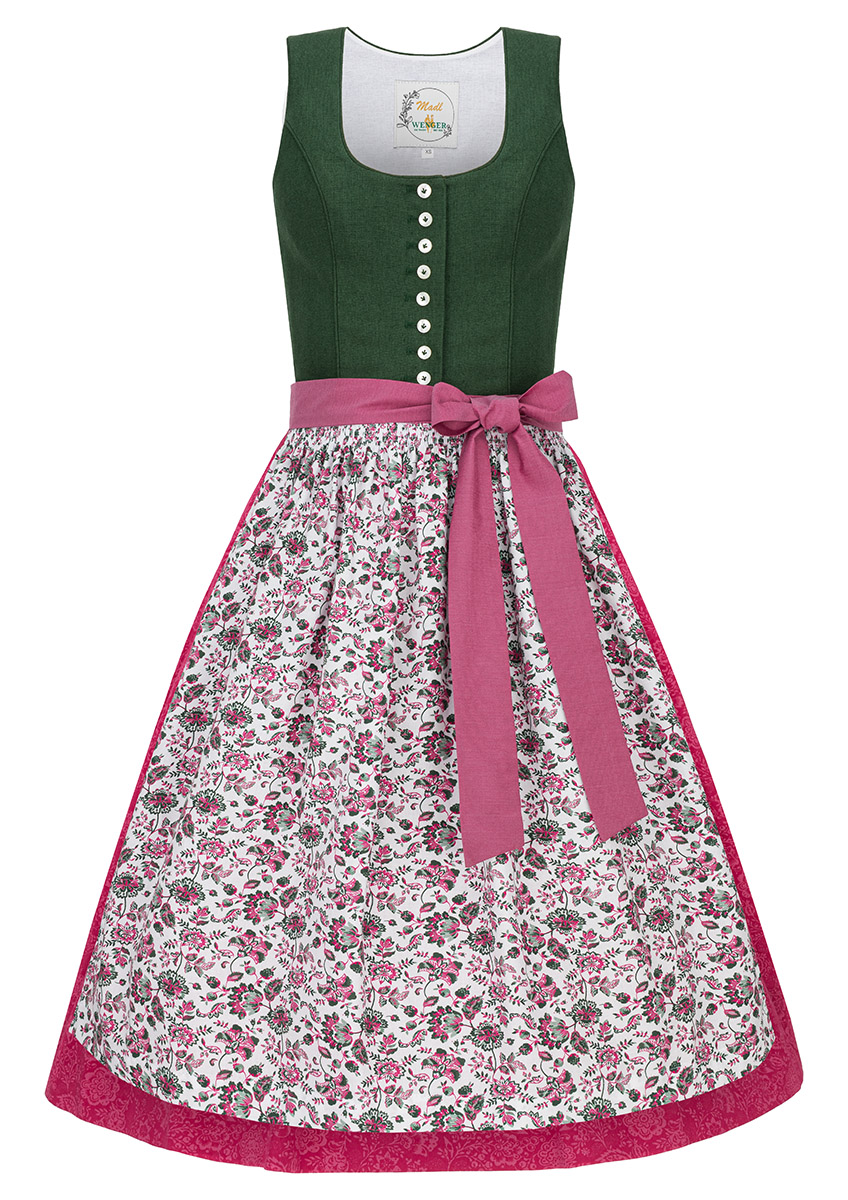
Photography of clothing, especially those with a complex construction and rich tradition, is an extremely rewarding subject, but also technically demanding. Recently, we had the pleasure of doing a photo session for an Austrian manufacturer of folk costumes in the Alpine (Austrian-Italian) style.
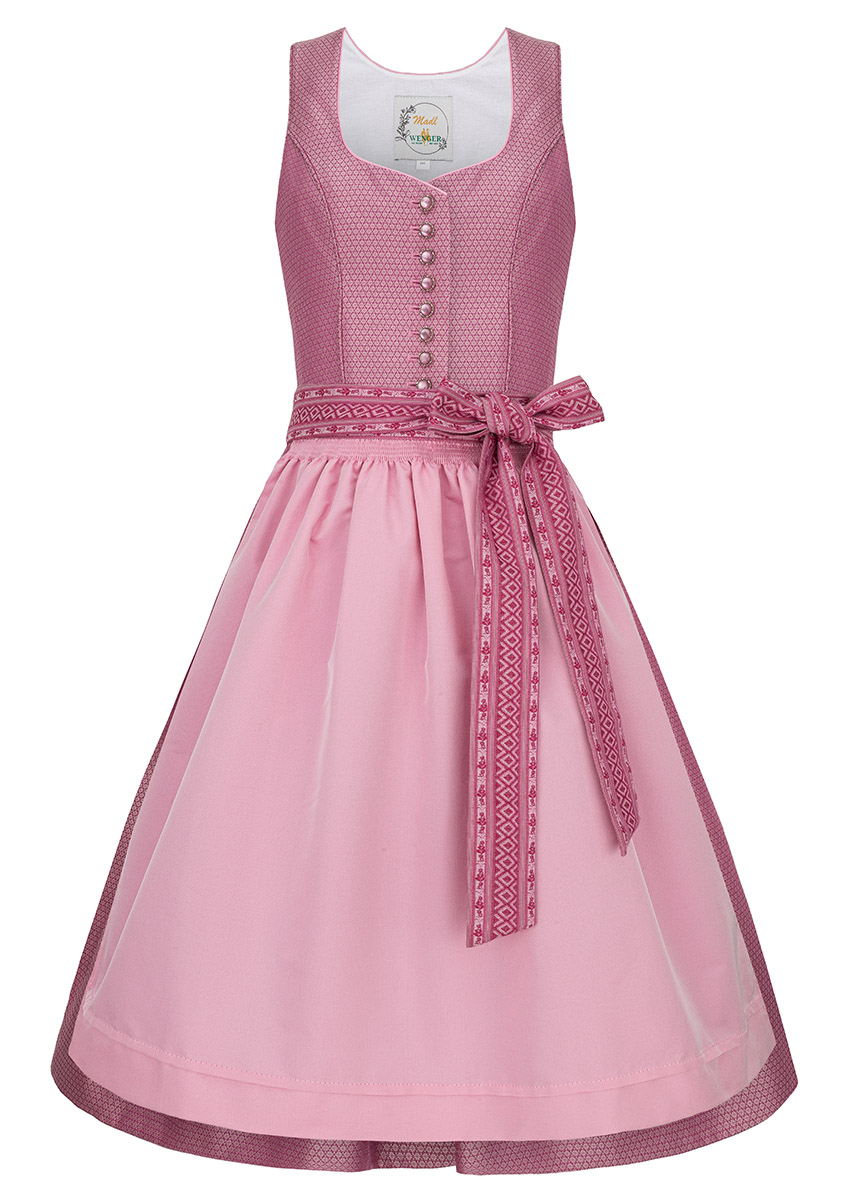
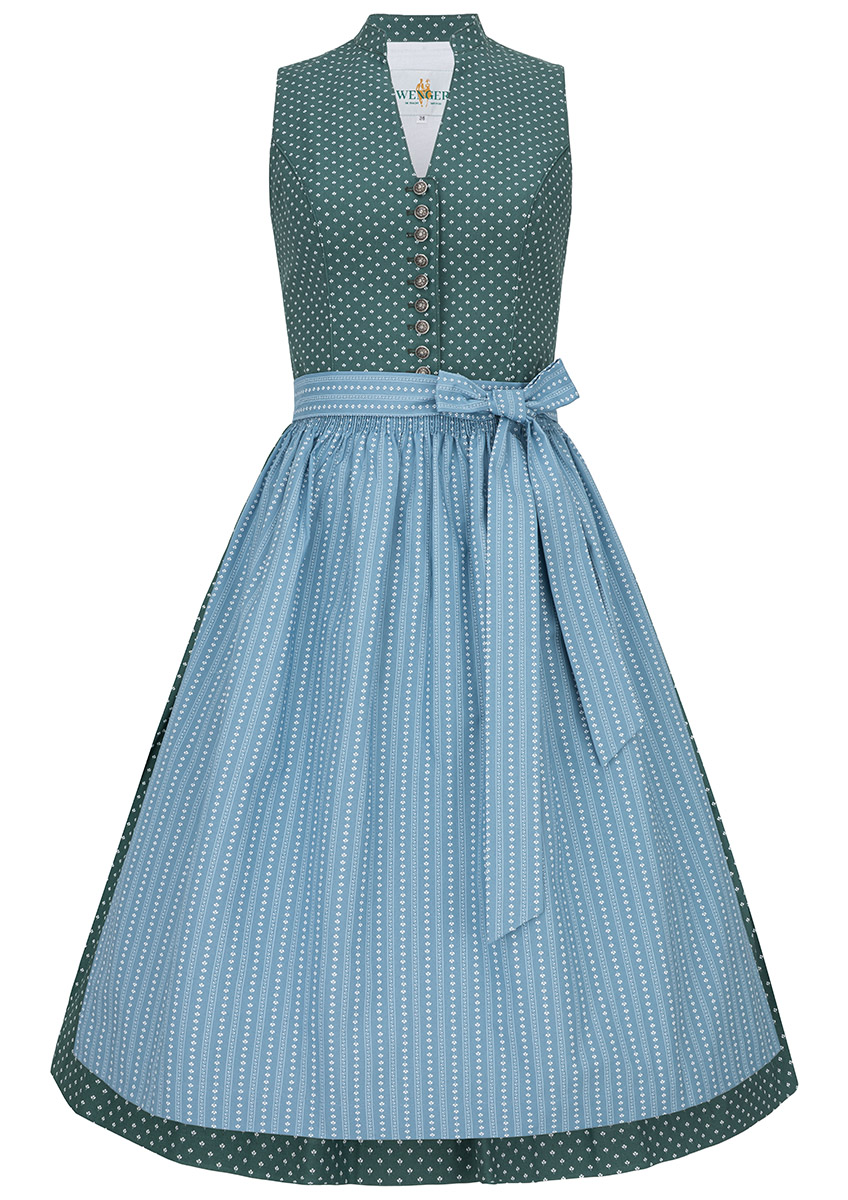
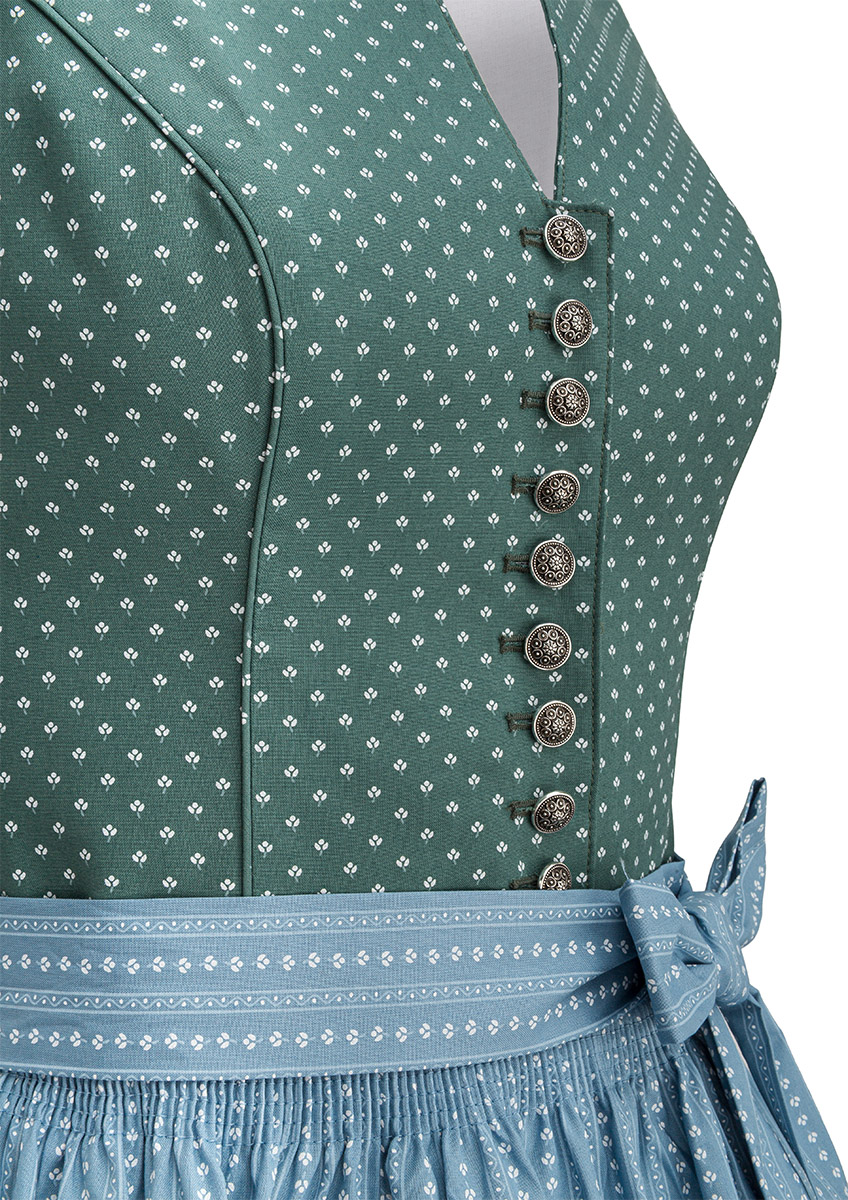
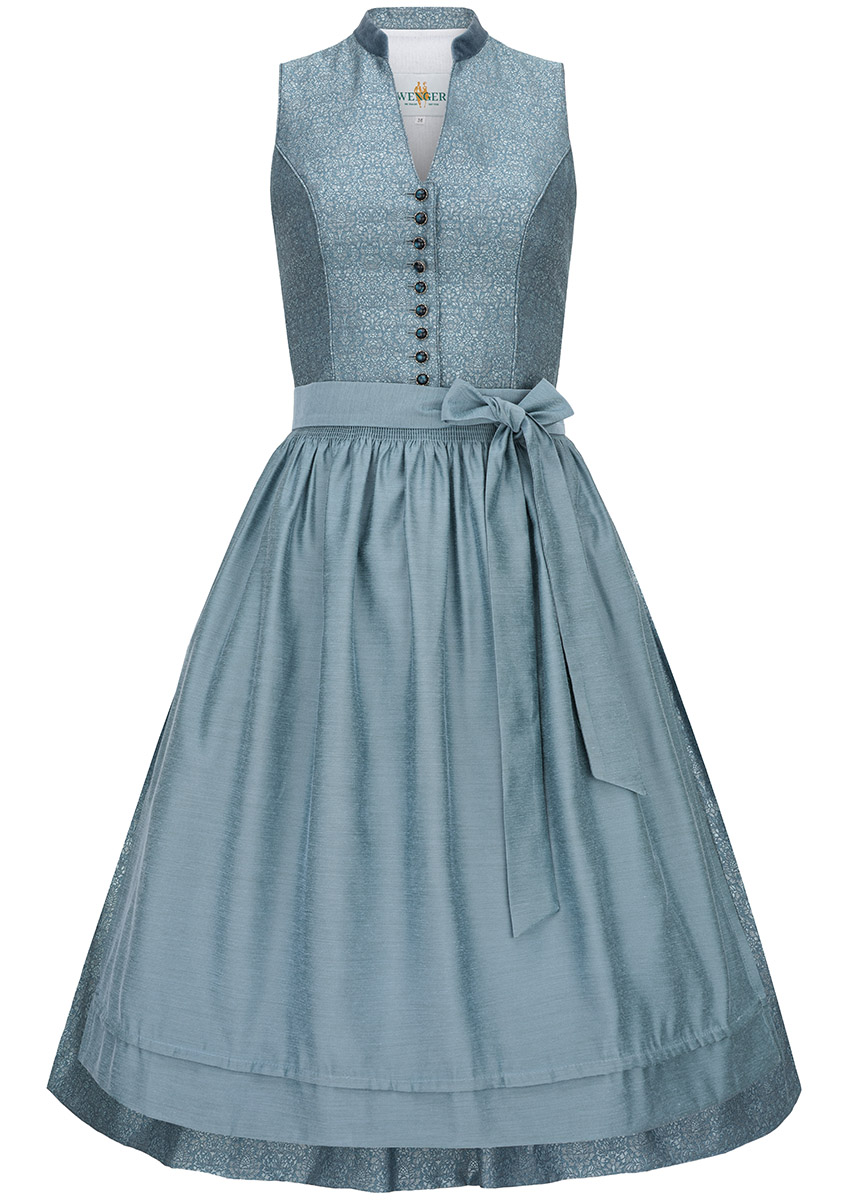
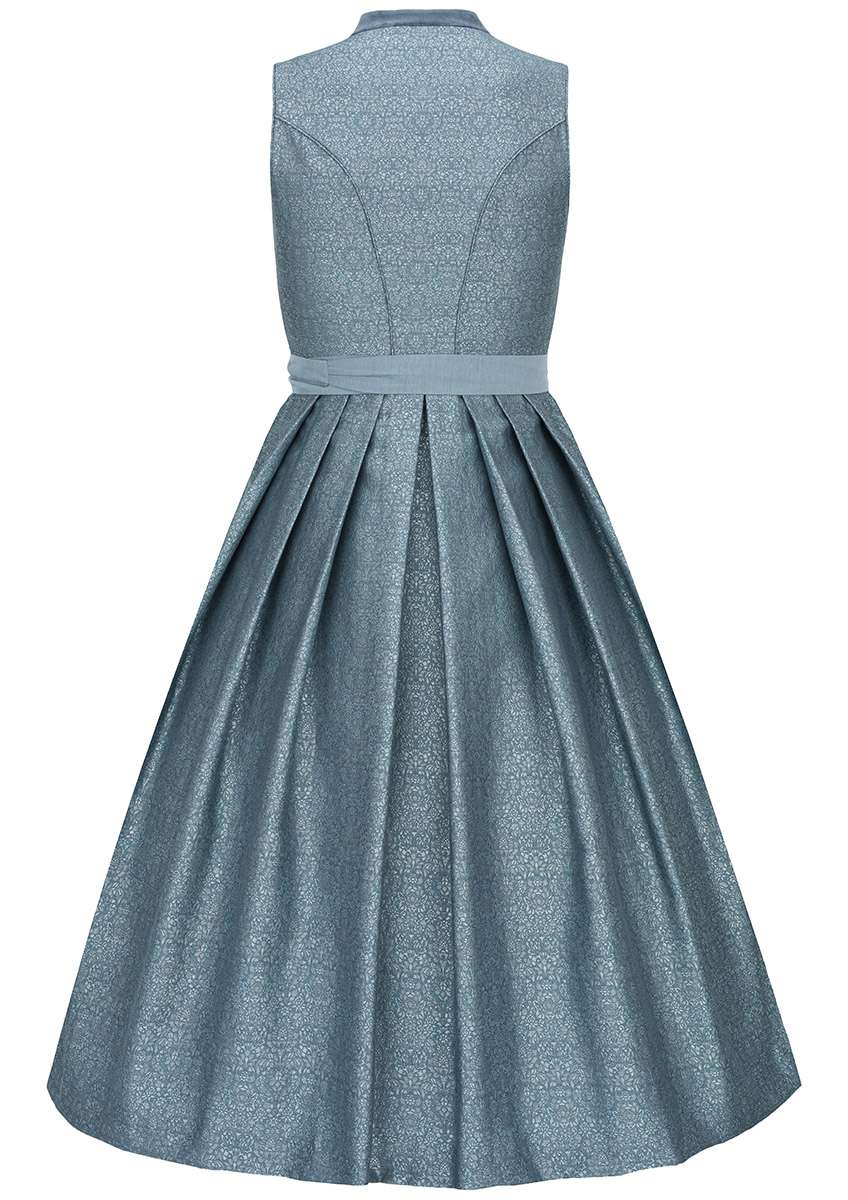
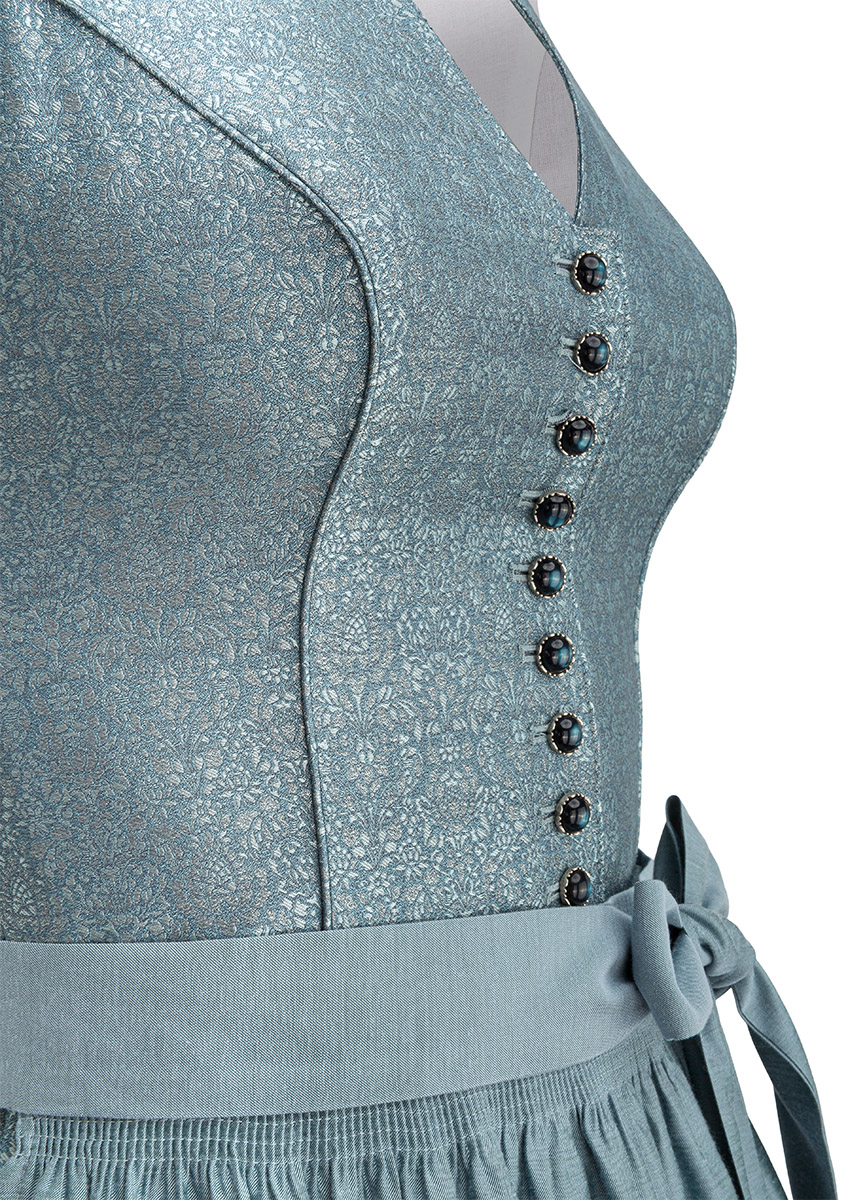
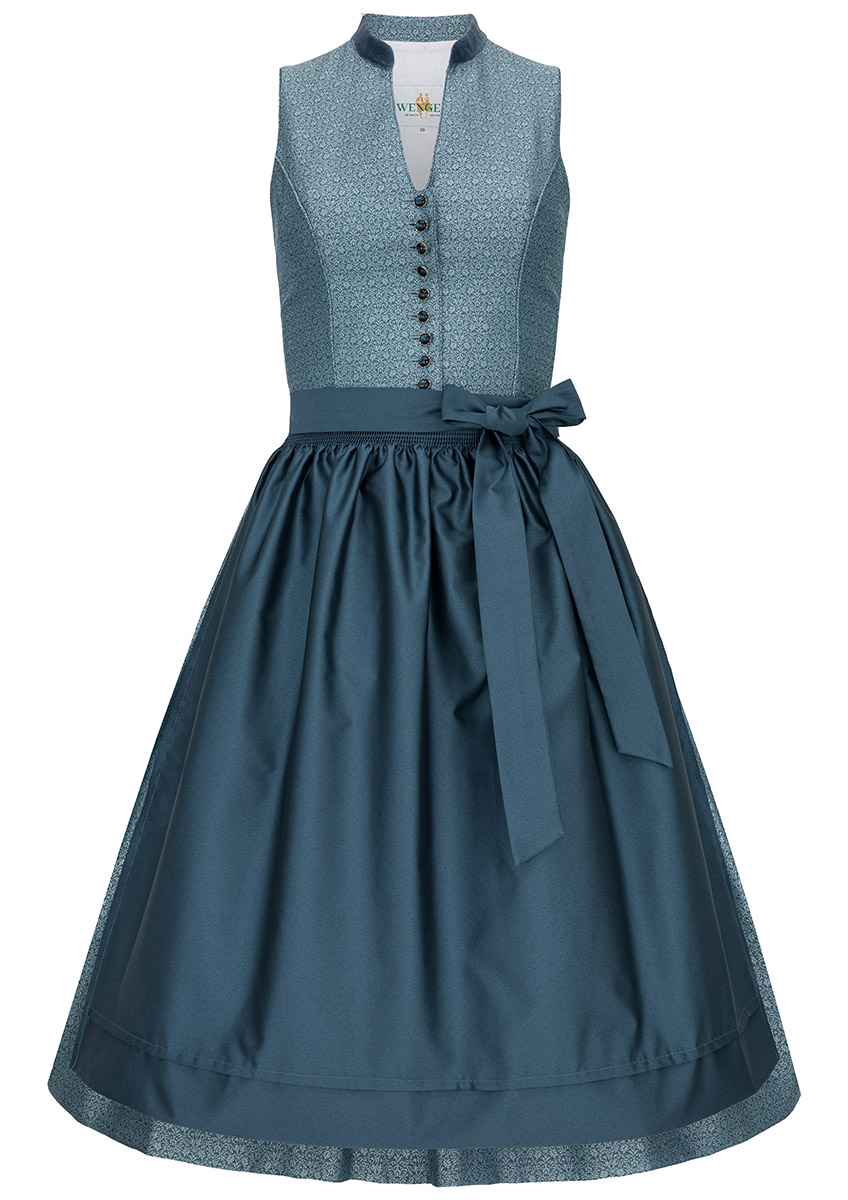
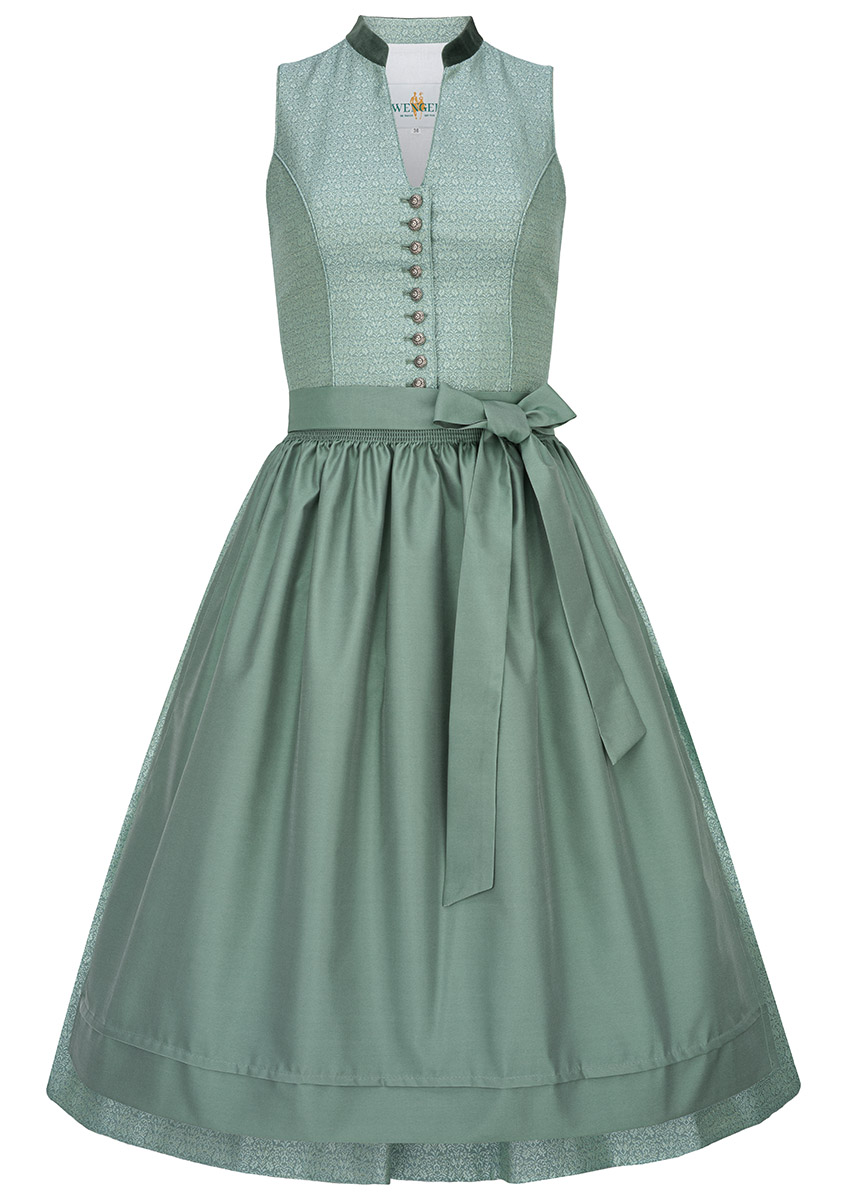
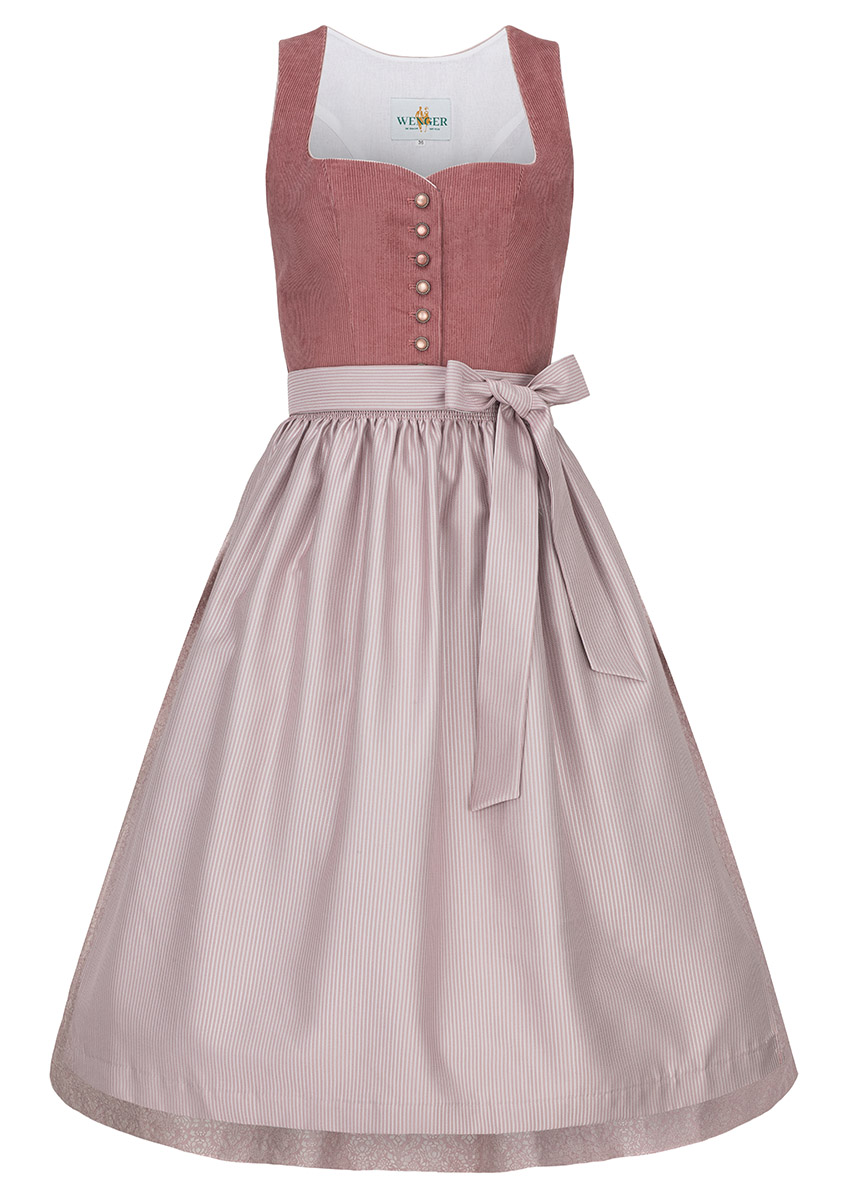
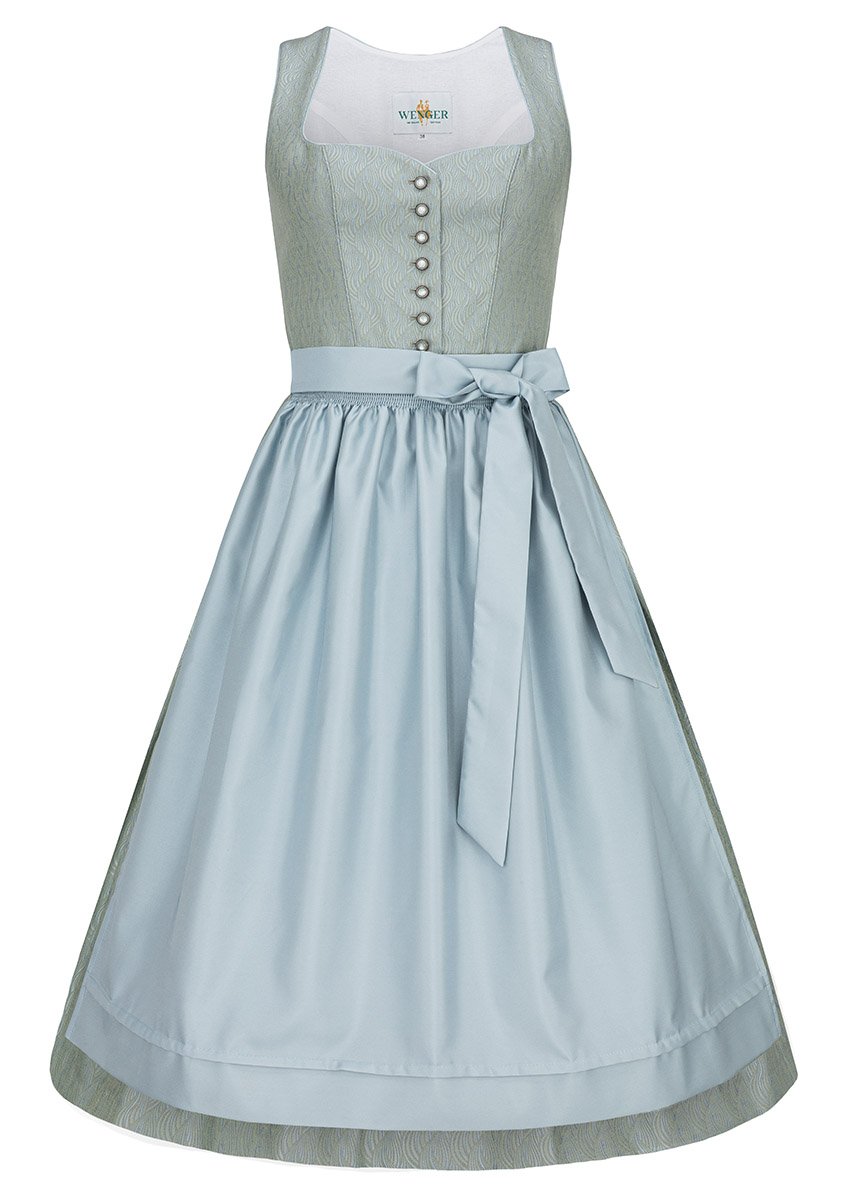
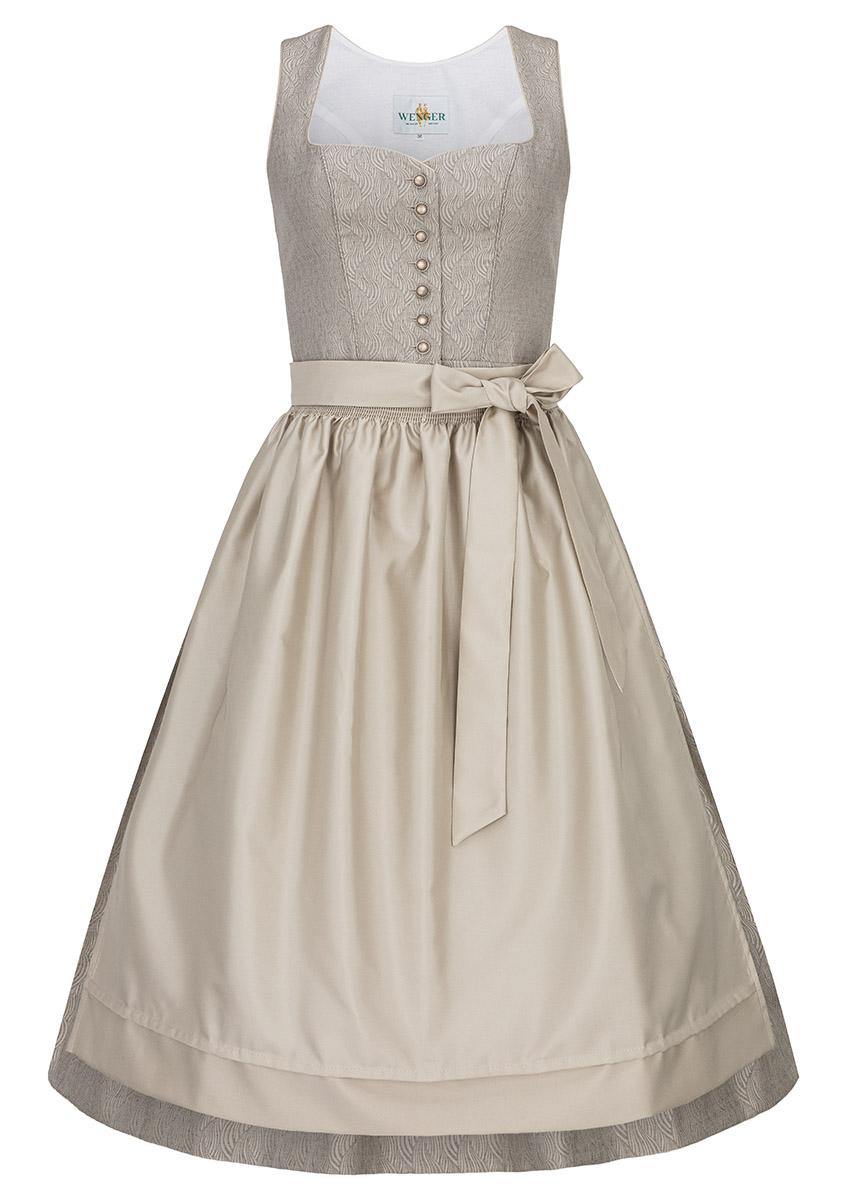
Ghost Mannequin Challenges & Proprietary Solutions
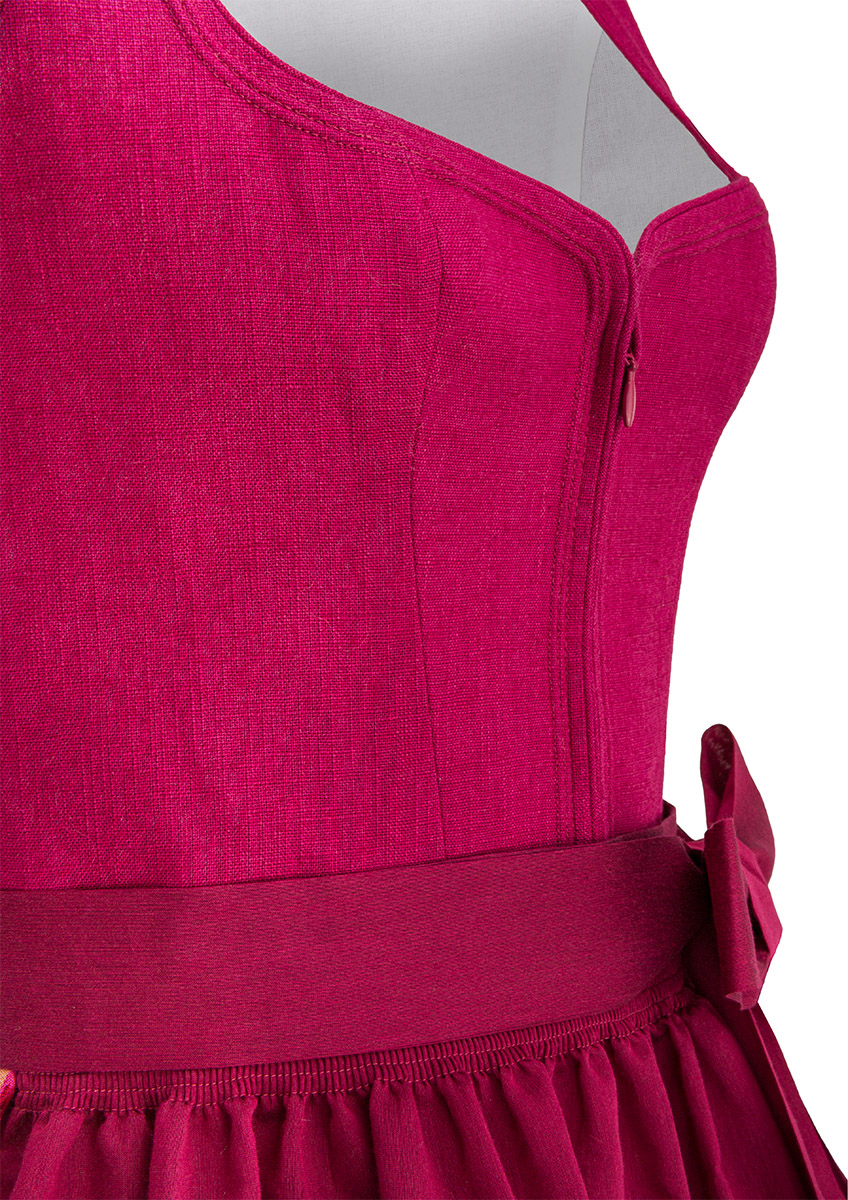
This project served as an excellent proving ground for the Ghost Mannequin technique. Below, we present the behind-the-scenes of this production and the challenges a professional photography studio faces with such assignments.
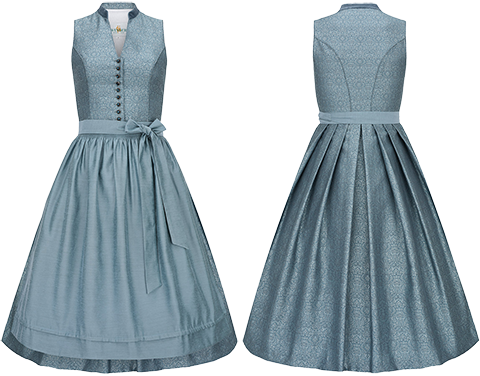
The main objective of the session was to produce images where the clothing appears to be worn by an invisible figure. The greatest challenge with the voluminous folk dresses was achieving the proper styling.
Precise styling of the skirt’s flare was critical to fully showcase the fabric pattern and silhouette. Standard mannequins proved inadequate, necessitating the construction of a custom rig to preserve the gown’s full volume and shape. This solution eliminated the 'sagging fabric' effect, giving the ghost mannequin packshot a truly three-dimensional, high-end appeal.
Styling and preparation: The key to the perfect packshot
In product photography, "time is money", but haste is the enemy of quality. It took us about 30 minutes to prepare one dress for the photoshoot. This process consisted of:
-
Precise putting on the mannequin.
-
Fastening of numerous buttons and hooks.
-
Filling in the dents in the material to give it a natural volume.
-
Carefully ironing the fabric using a steamer, which is an absolute basis before taking a photo.
The rule was simple: the more work we put into styling on the set, the less time we will spend at the post-production stage.
Detail and repeatability: precision in every detail
Austrian folk costumes are characterized by multi-layered (petticoat, dress, apron). A specific challenge was the need to replace the aprons themselves on the same base of the dress. Here, the repetition of shots was crucial.
The biggest difficulty was tying bows. They had to look identical in each photo – be tied in the same place, at the same angle and with the same knot volume. To speed up the work, we took photos of details (close-ups of patterns and bindings) in parallel with the "second can" (an additional camera).
Although physically the dresses differed in size, these differences are imperceptible in the final product photos . We achieved this by rigorously adhering to the scheme of studio lighting and perspective that we developed at the beginning.
Post-production and finalization: from retouching to naming
After the end of the session, the material went to the processing department. Thanks to the attention to detail at the shooting stage, we were able to apply a massive color correction. The post-production process included:
-
Sparing (cutting out from the background) and removing visible elements of the mannequin.
-
Retouching of minor blemishes of material and pollen.
-
Unify white balance and contrast for the entire collection.
The last, but extremely important stage for the e-commerce client was the appropriate naming of files. Product codes (SKUs/EANs) were entered directly into the names of the images, so that the customer received a finished material that can be immediately downloaded to the online store.

