
Packshot Electronics Photos
Product photography of electronics and electronics is a combination of technical precision with aesthetics that inspire confidence. What to look for when creating photos of products such as IP cameras, routers or electrical equipment?
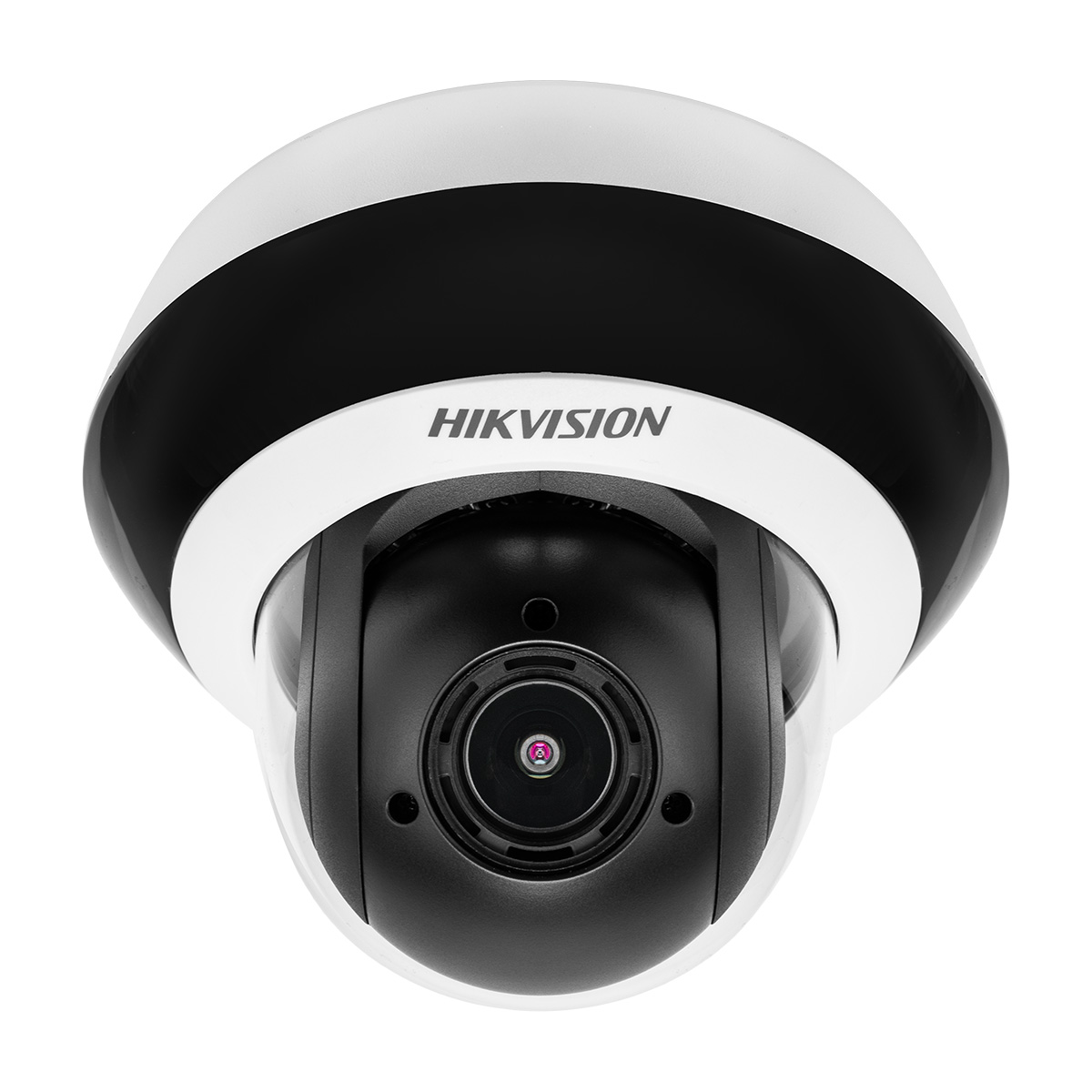
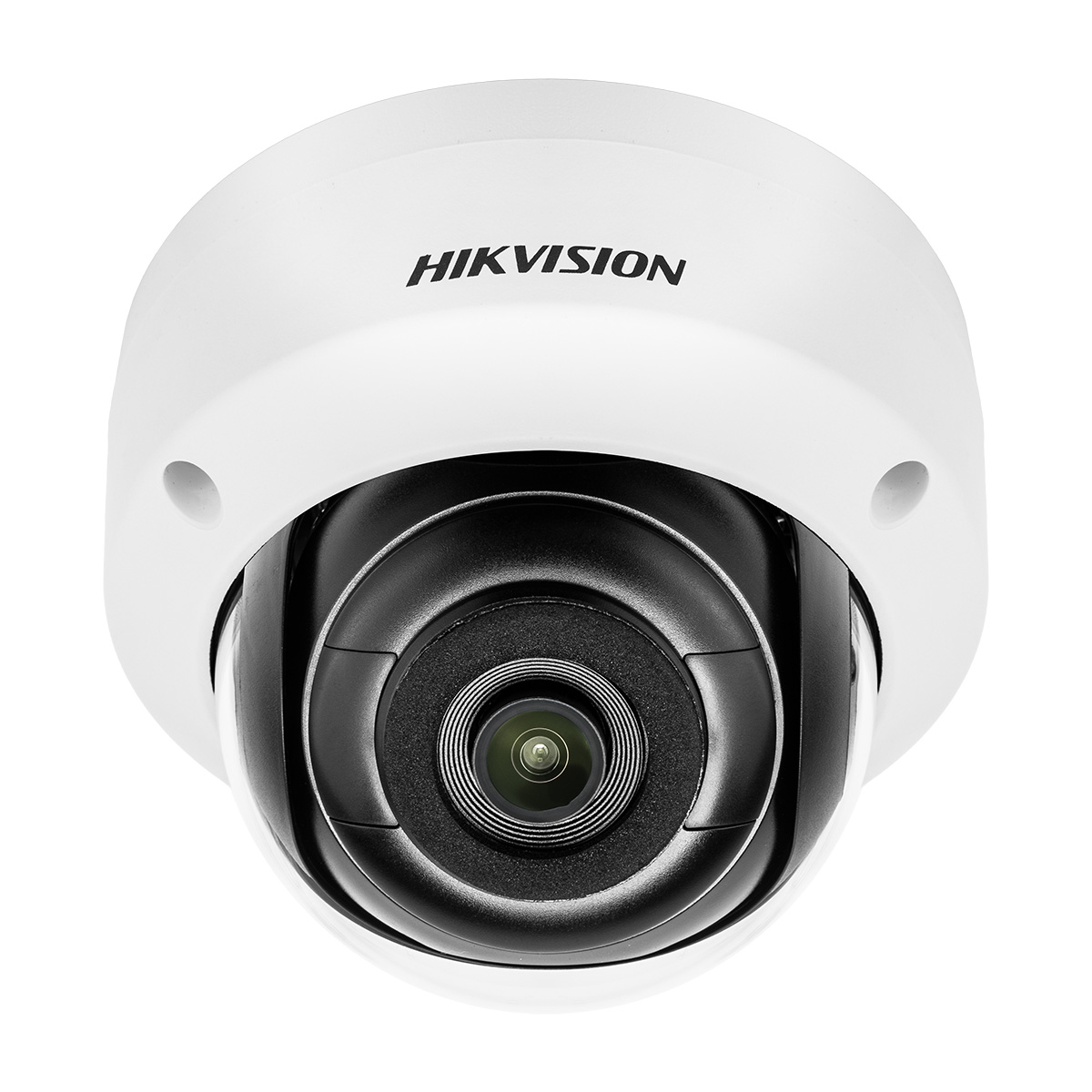
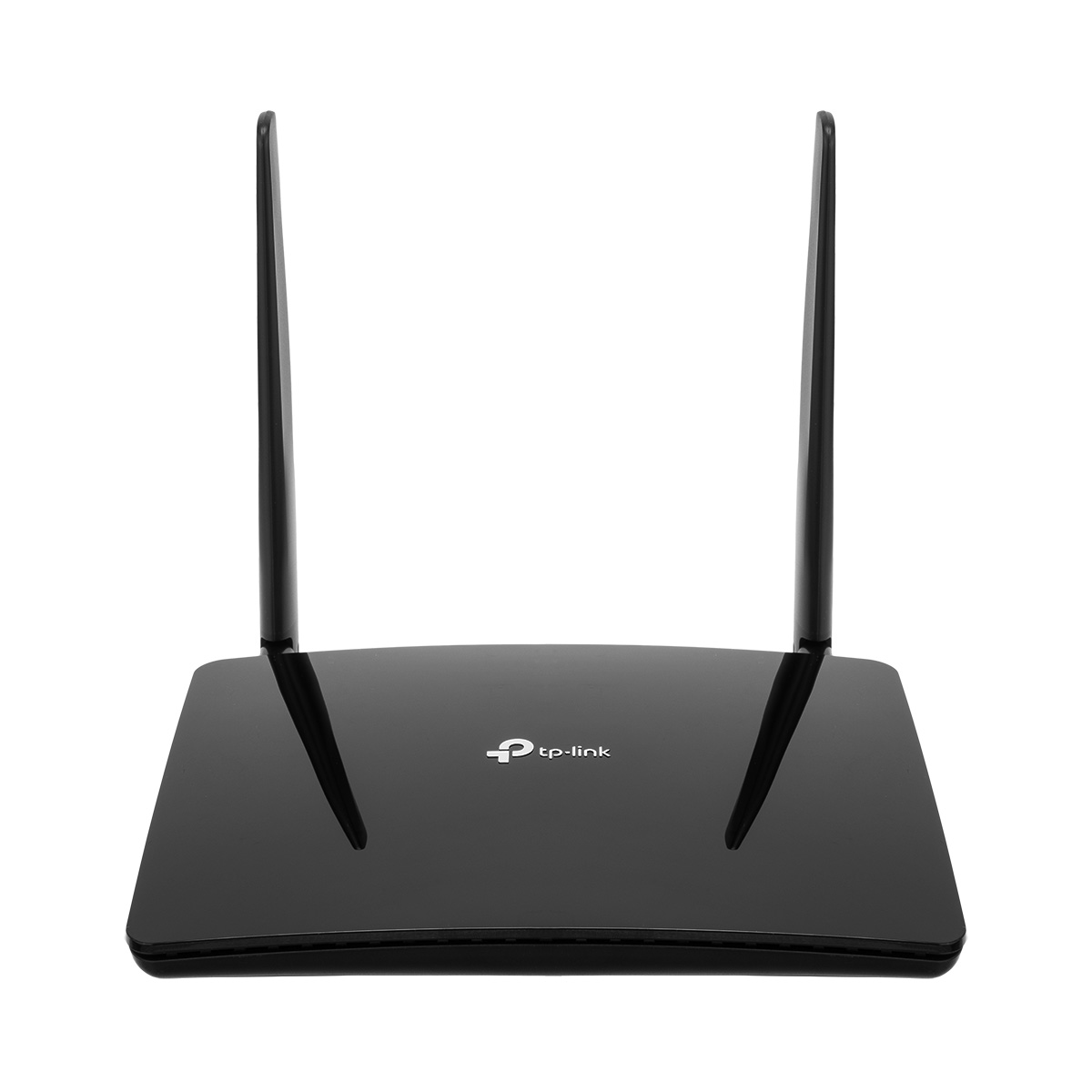
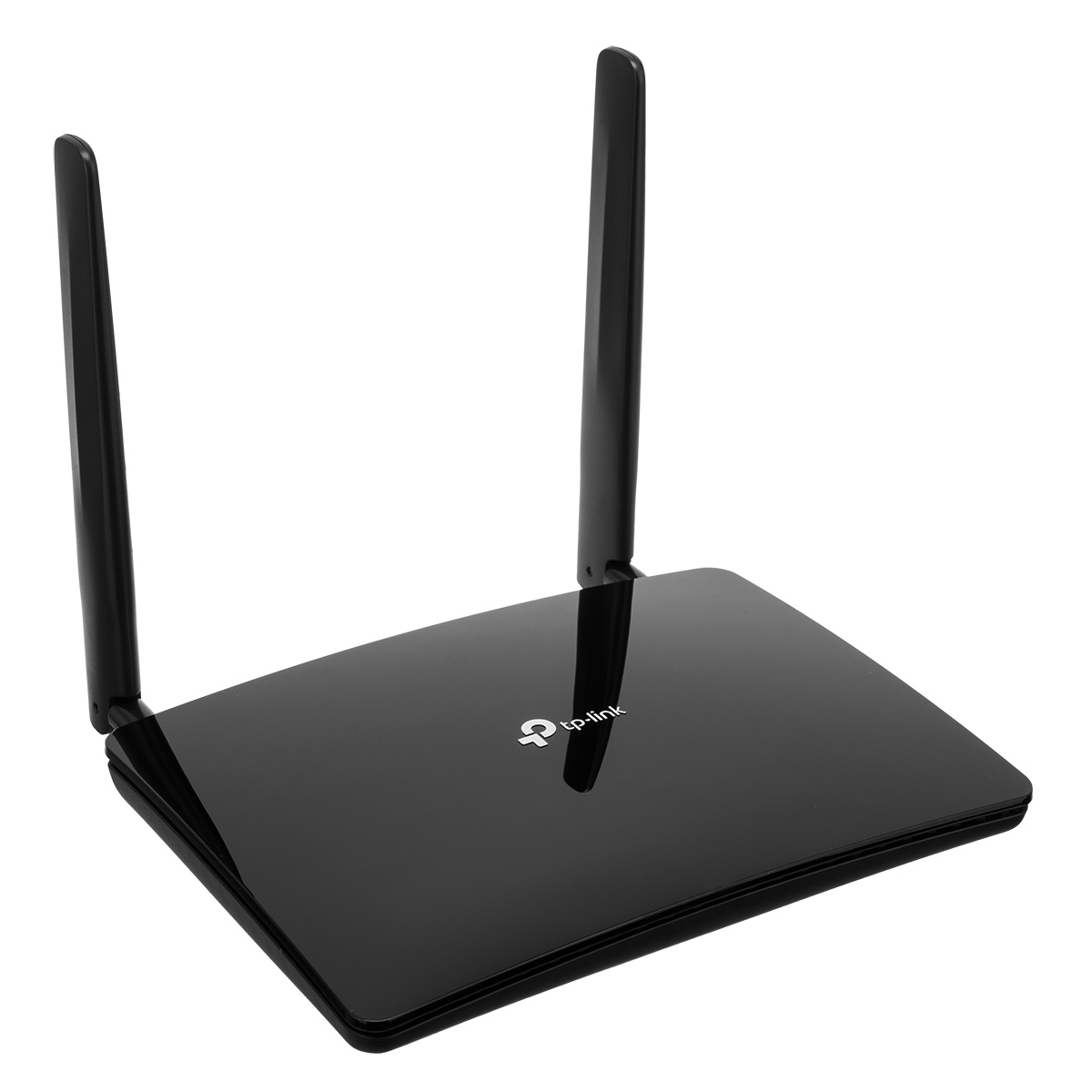


Accuracy, sharpness, and the amount of images that build trust
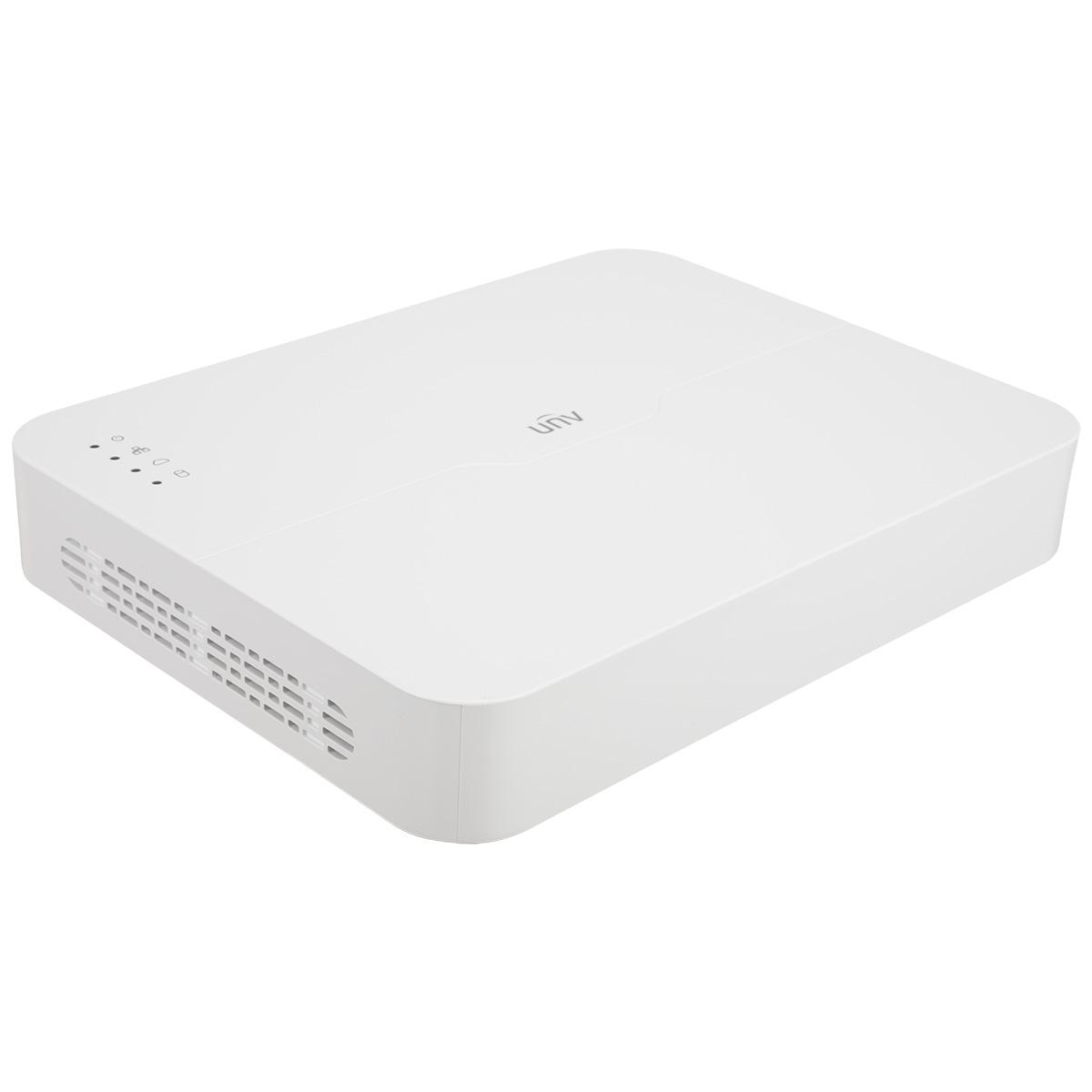
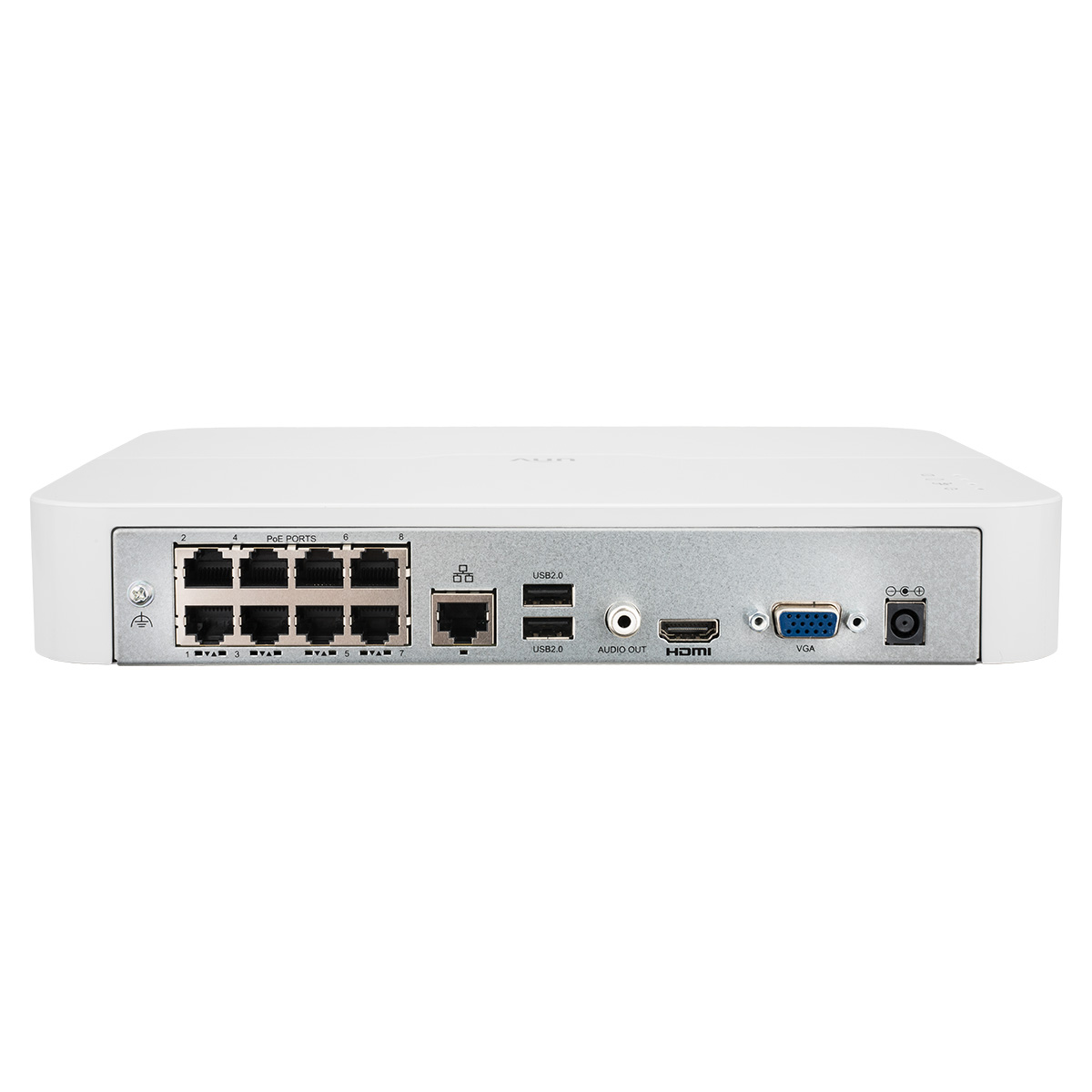
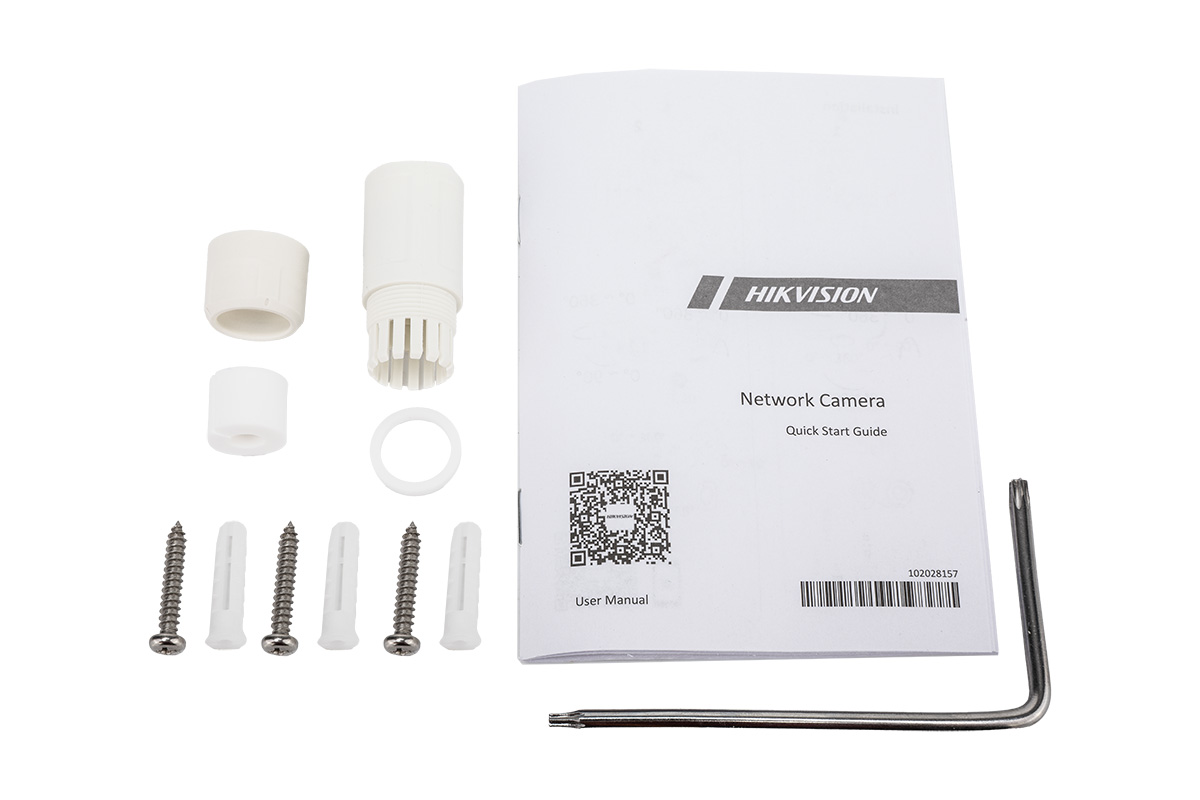
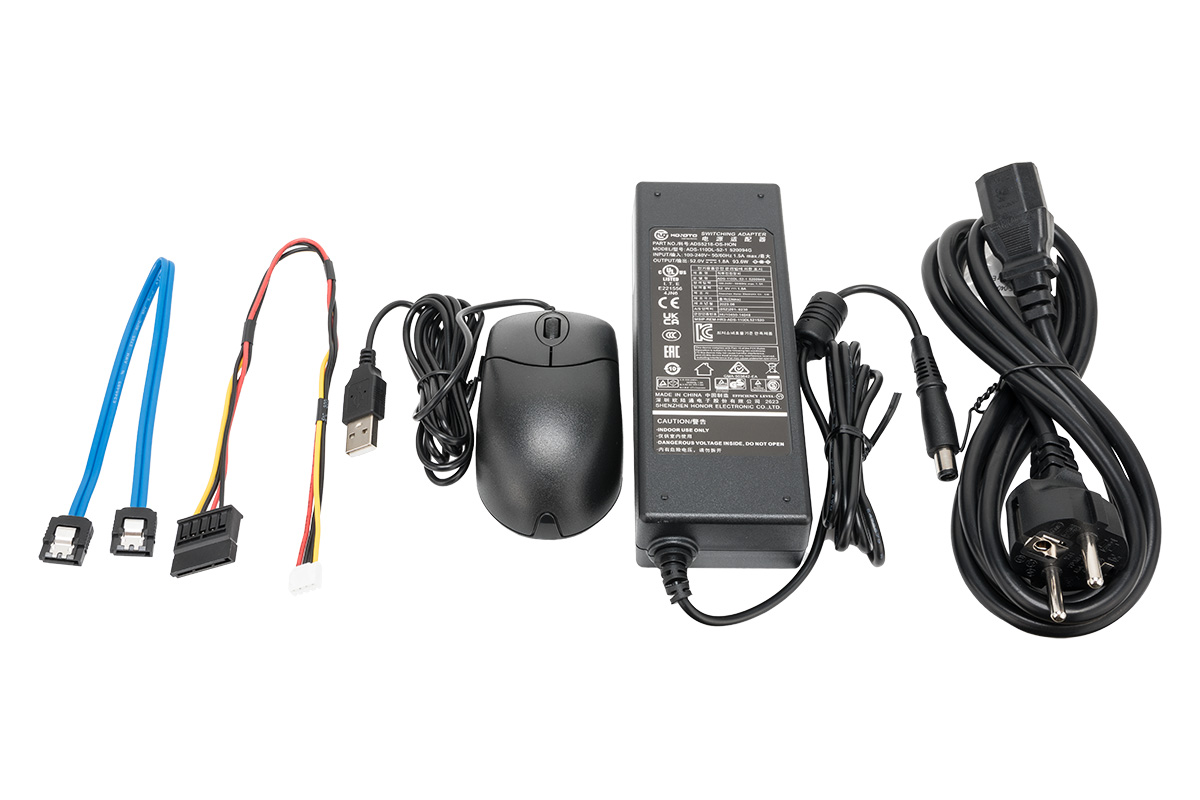
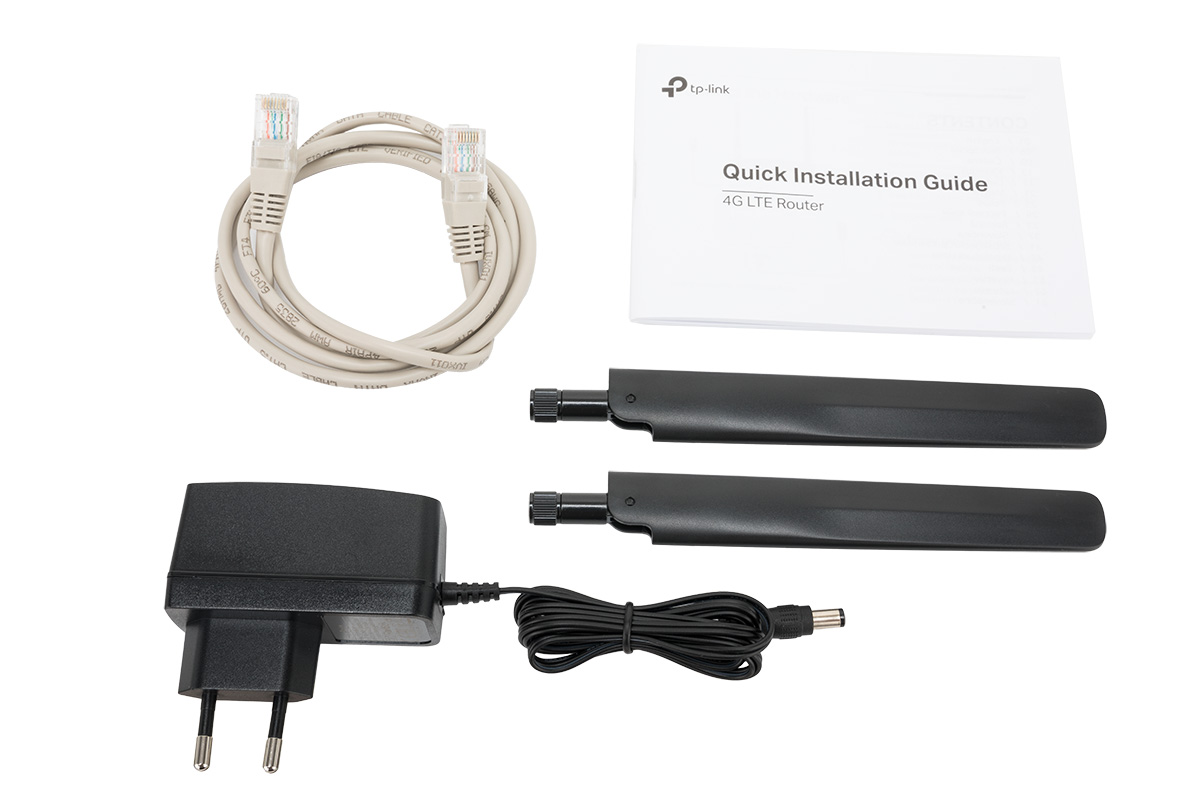
If someone is looking for electronics on the Internet, they are primarily looking for information about what a given product looks like; what plugs, buttons or connections it has. Therefore, when photographing products in the field of broadly understood electronics, the most important thing is to show the object from all sides, so that the customer can be sure that he is looking for such a device. In the attached gallery we also have product photos of all the elements that are part of the device, so that there is no doubt what the customer is paying for.
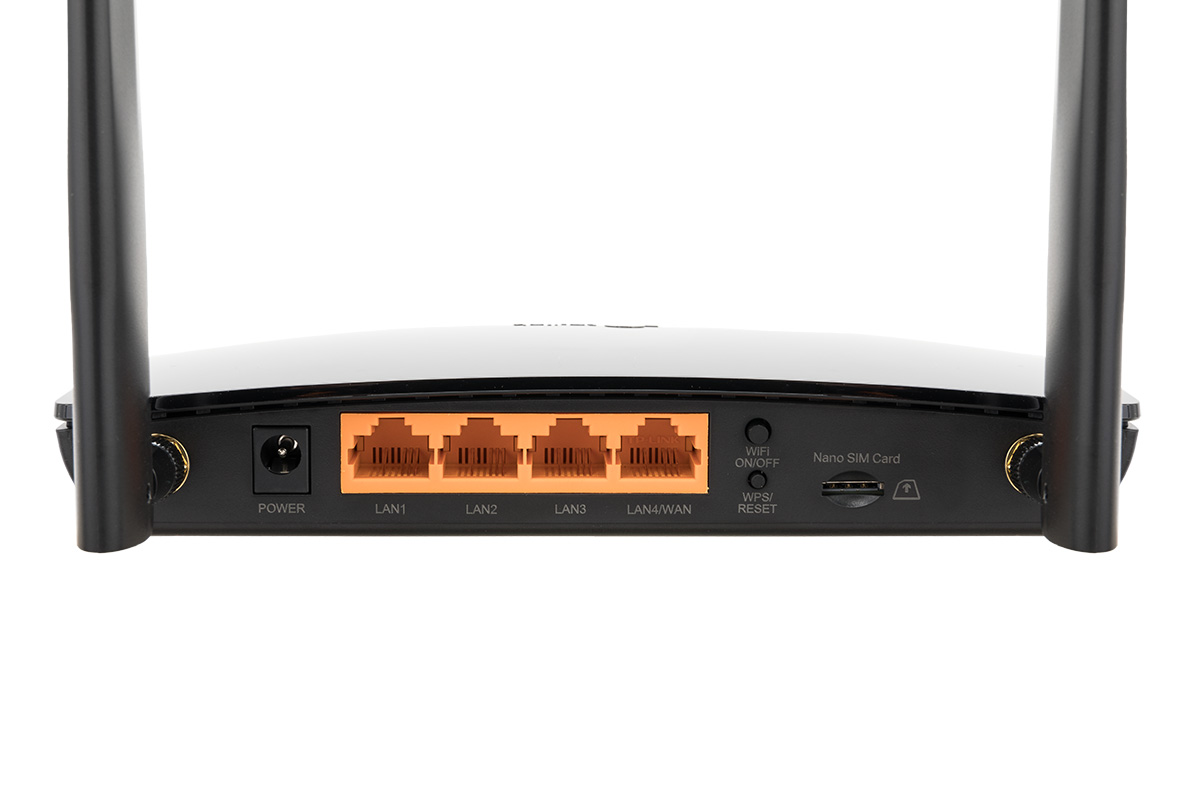
Another very important thing in electronics photography is sharpness, along the entire length and at every point. The customer wants to see model designations, manufacturer logos (e.g. Hikvision or TP-Link) or serial numbers on nameplate stickers. The use of a high aperture allows for a large depth of field, so that even when zooming in on the camera lens, the back of the device remains legible.
How to tame shiny surfaces?
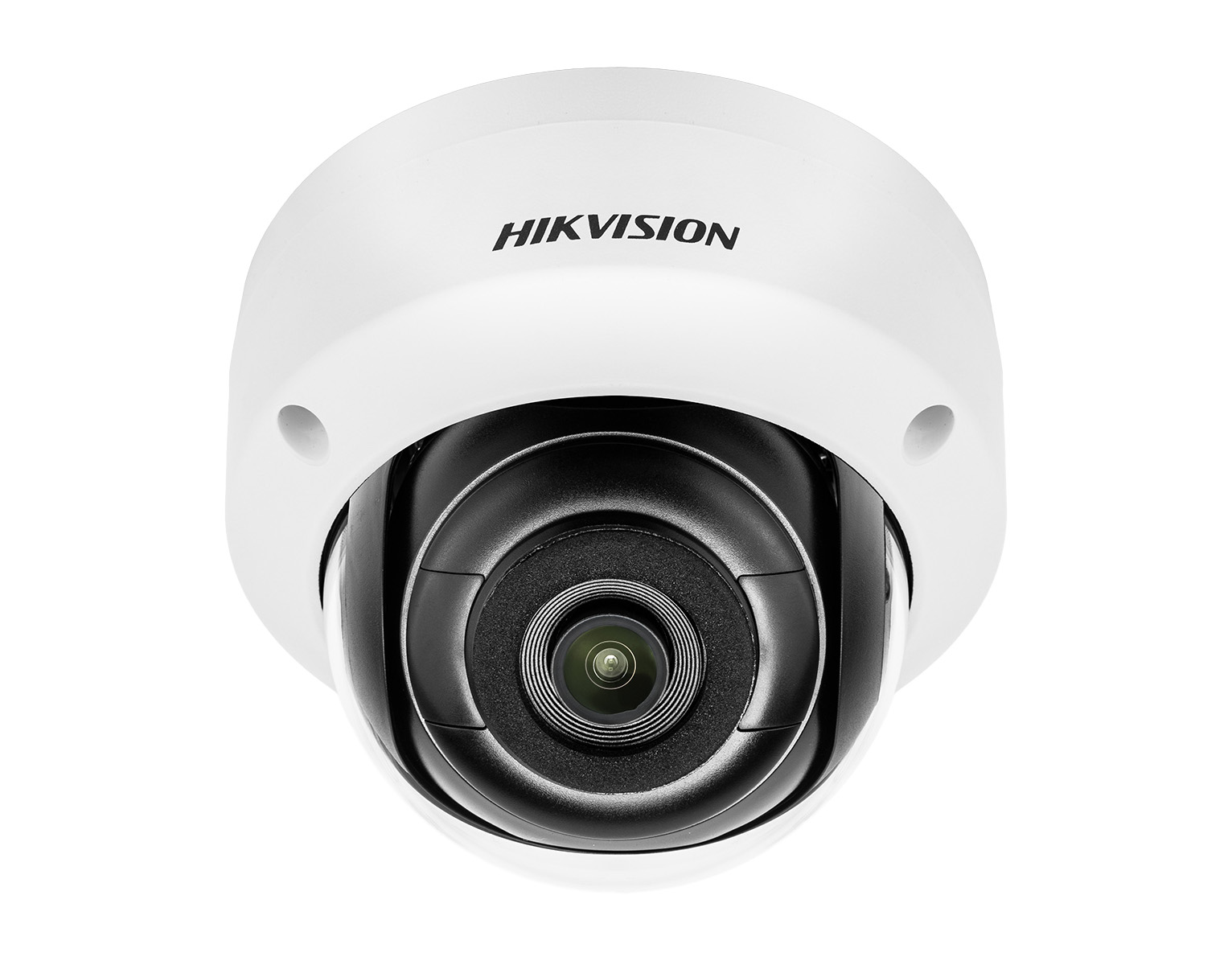
Electronics and electronics are a mix of materials: from matte plastic, through glossy lens lenses to metal elements. Cameras, routers, modems, video recorders, power supplies, chargers, adapters - the variety of surfaces can be a big problem, which is why we approach each device individually. We set the lighting and products in such a way that there are no reflections, so that each element looks good and shows its unique properties.
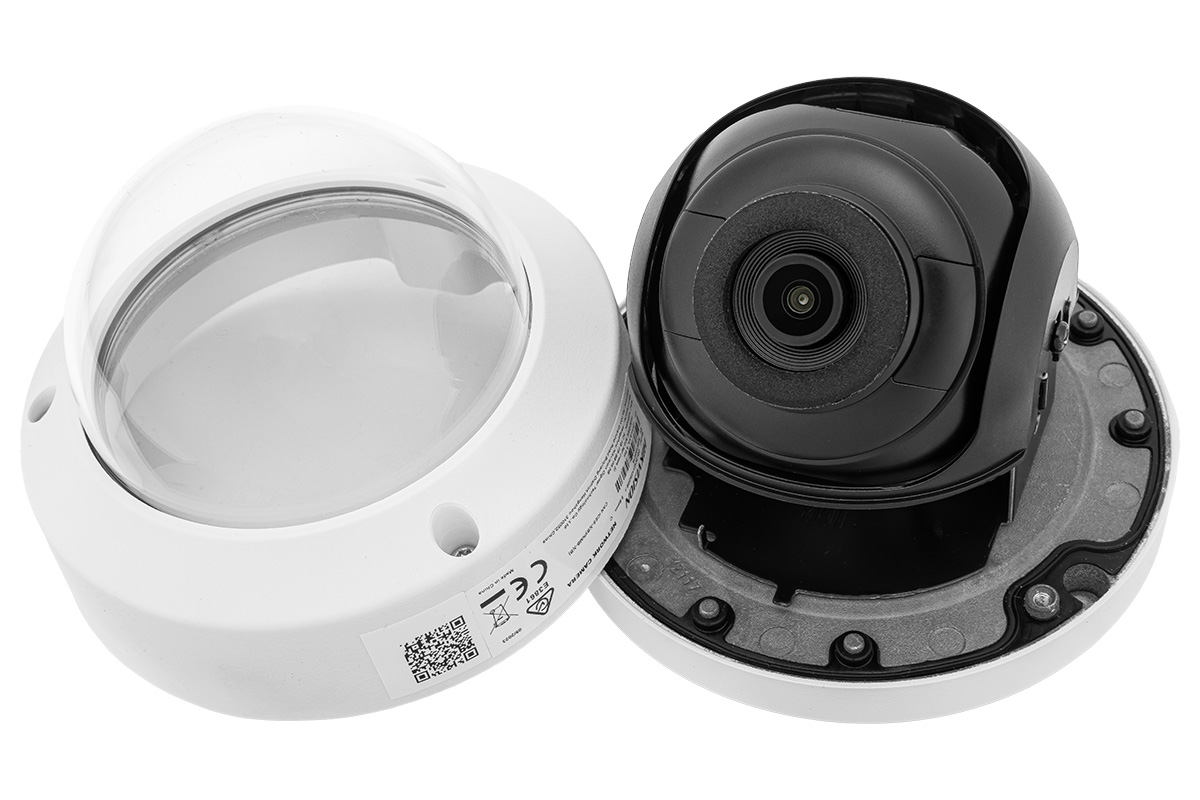
In the case of dome cameras, it was crucial to avoid accidental reflections of the photographer or studio in a transparent shroud. Proper light modeling allowed to emphasize the curvature of the glass, while maintaining its full transparency.
Electronics often operate on extreme contrasts. A white case on a white background (the so-called high-key) requires precise separation of the edges with a delicate shadow so that the product does not "spill" in the background.
Technical customer – precision packshot
A customer who buys electronics can be referred to as a technical customer. This term made it easier for us to carry out this order, understand the needs and transfer them to the photographed subject. For a technical customer, removing the outer casing is not enough. A professional electronics packshot should therefore include:
-
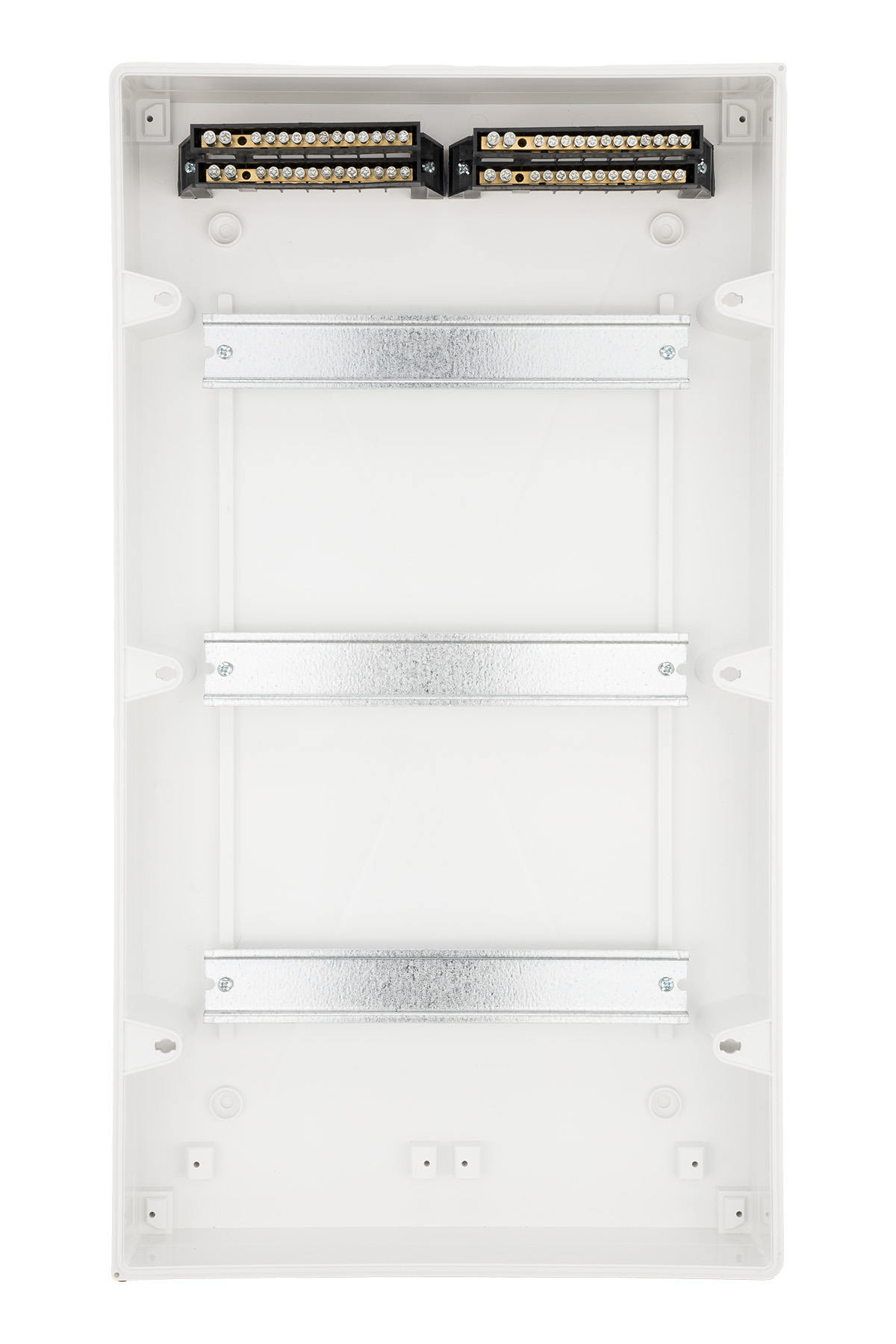
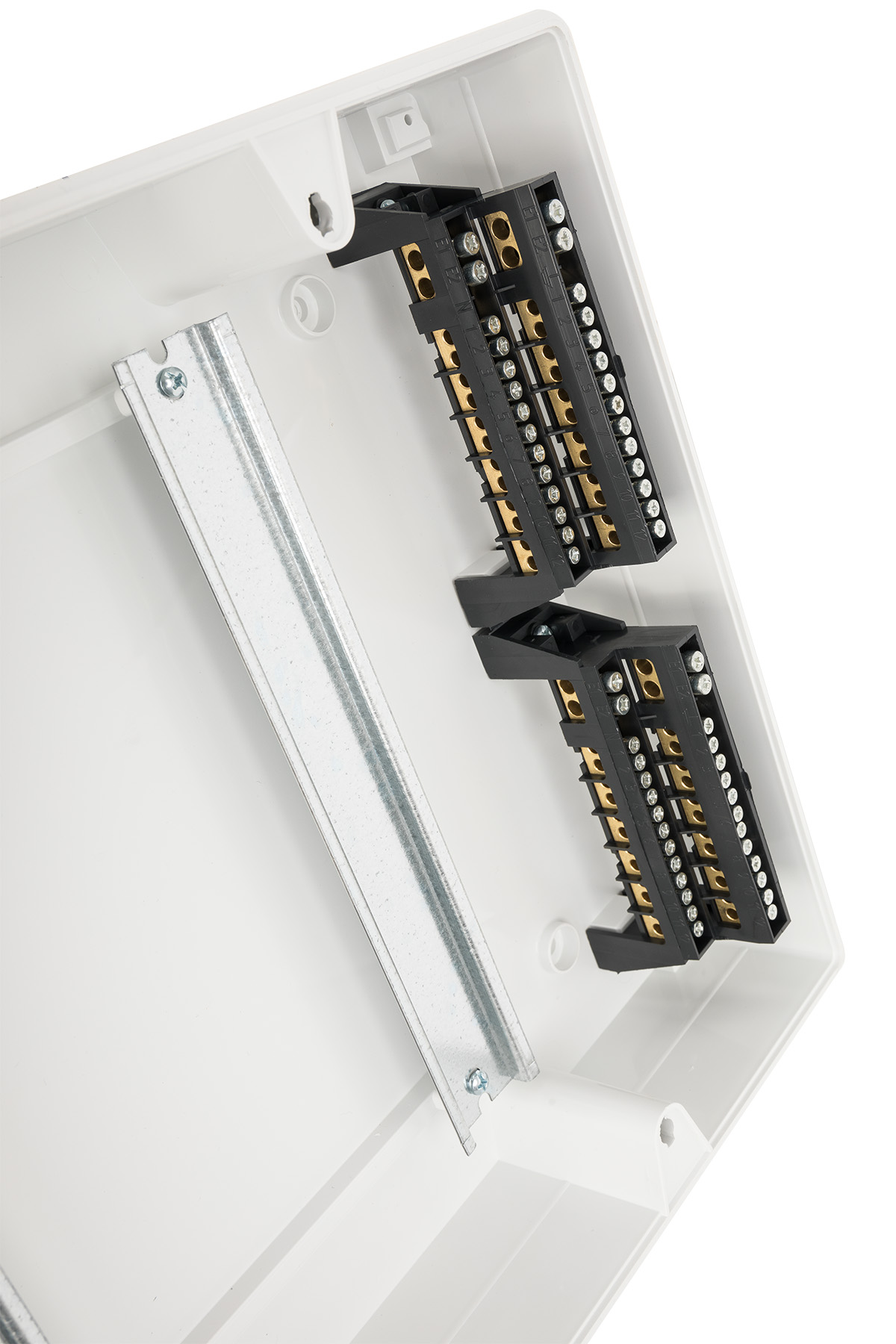
Photos of the "drums": Showing the inside of the device (e.g. after removing the camera dome or opening the switchgear) proves the robustness of the workmanship.
-
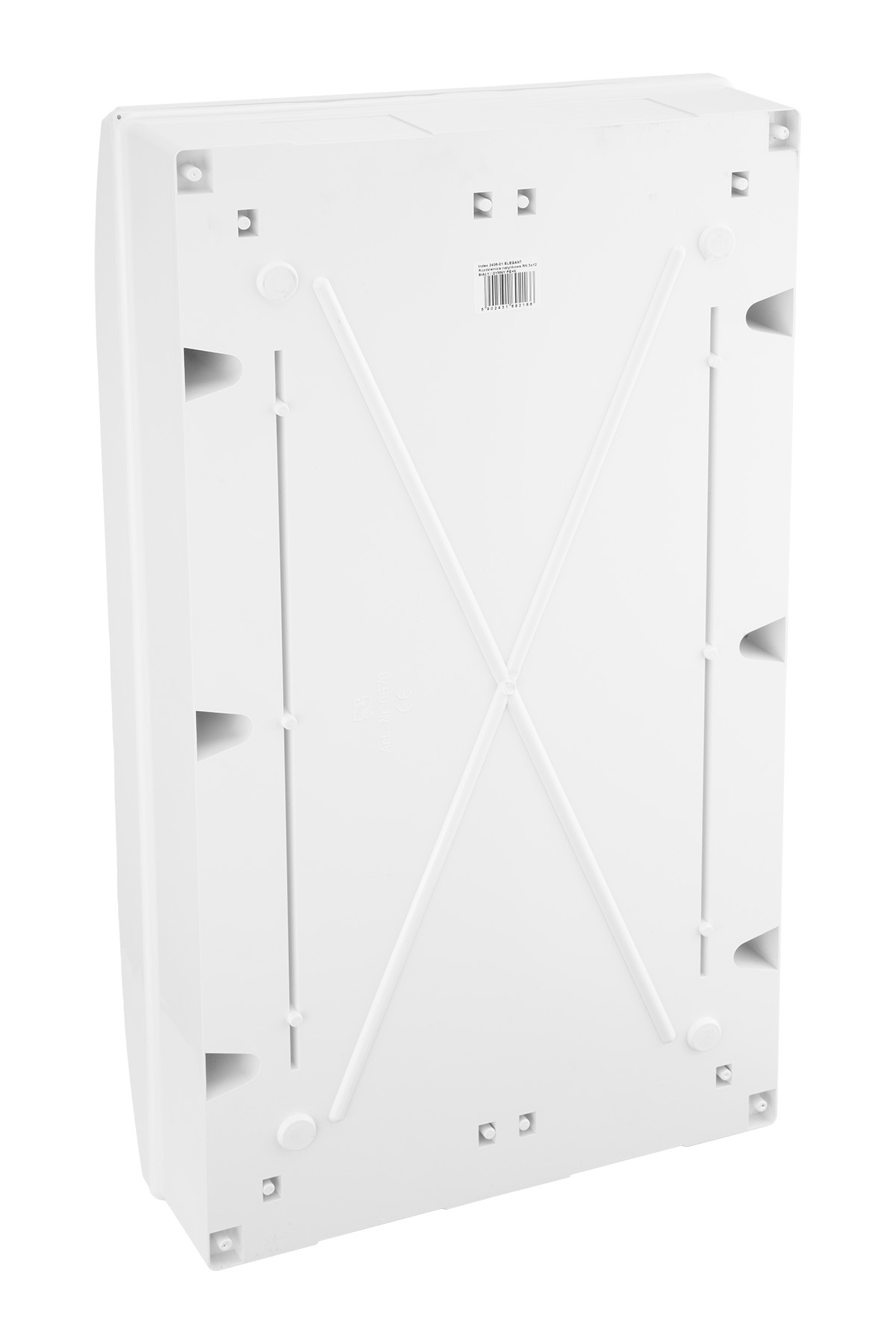
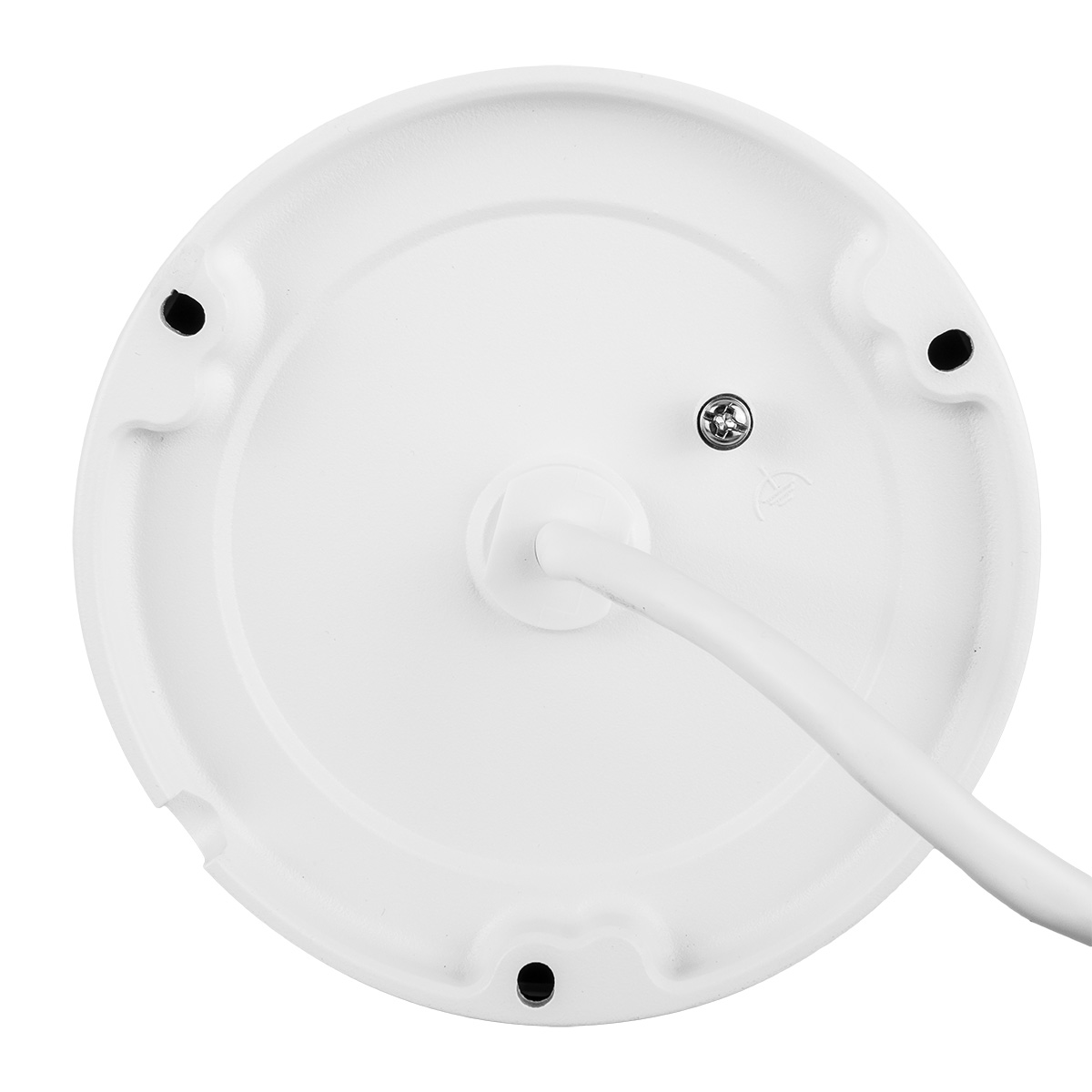
Rear view: Ports, connectors, and wires are key information for the installer. Removing the "back" of the device often determines the purchase more than the front.
-
Moving Parts: If the product has opening flaps or movable heads, this should be shown in separate shots, showing the range of motion or ease of access to the interior.
Photos of sets - a flat lay photograph showing the contents of the box. Showing the power supply, antennas, mounting pins, user manuals and Allen keys in one shot eliminates customer questions about store operation and reduces the number of returns to a minimum. The customer receives a clear message: "You are buying a complete product ready for assembly".
Packshot of electronics is not an ordinary photo
Good electronics product photography is one that answers questions before the customer has a chance to ask them. Clean, technical shots on a perfectly white background are a standard that allows you to easily embed photos in configurators, on Allegro, Amazon, eBay or in professional advertising catalogs. Product photos of electronics and electronics, like all professional packshots, should be eye-catching, aesthetic, clean and attractive in terms of sales. But above all, they should give back the product one hundred percent, according to the rule: aesthetics attract the eye, but it is the technical detail that closes the sale.

