
Packshot photos of protective jackets
Difficult to iron material – stiff, easily bending, cumbersome to form and even more difficult to lay on the mannequin. This was the case with the following bright jackets and vests in neon colors. Read more...
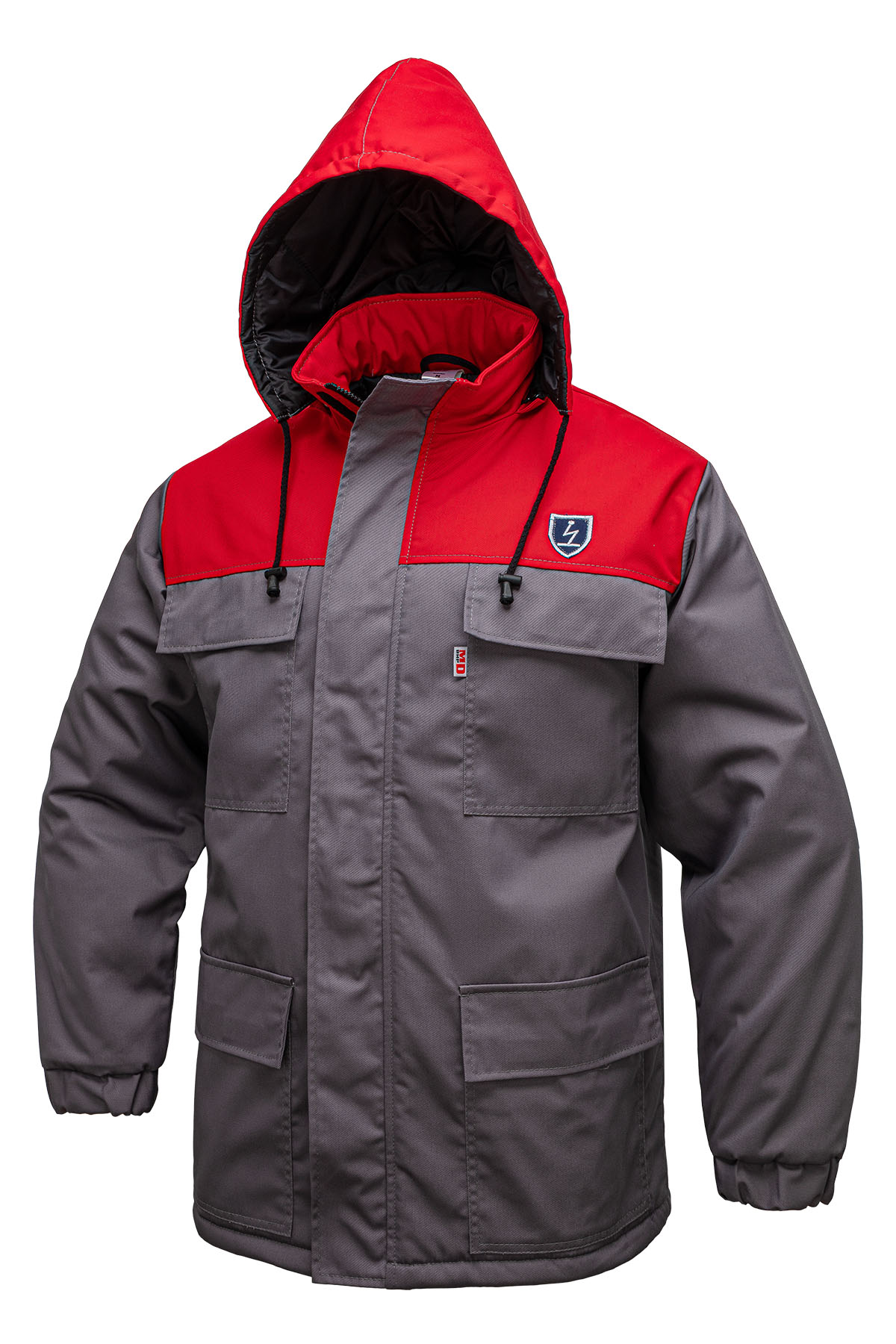
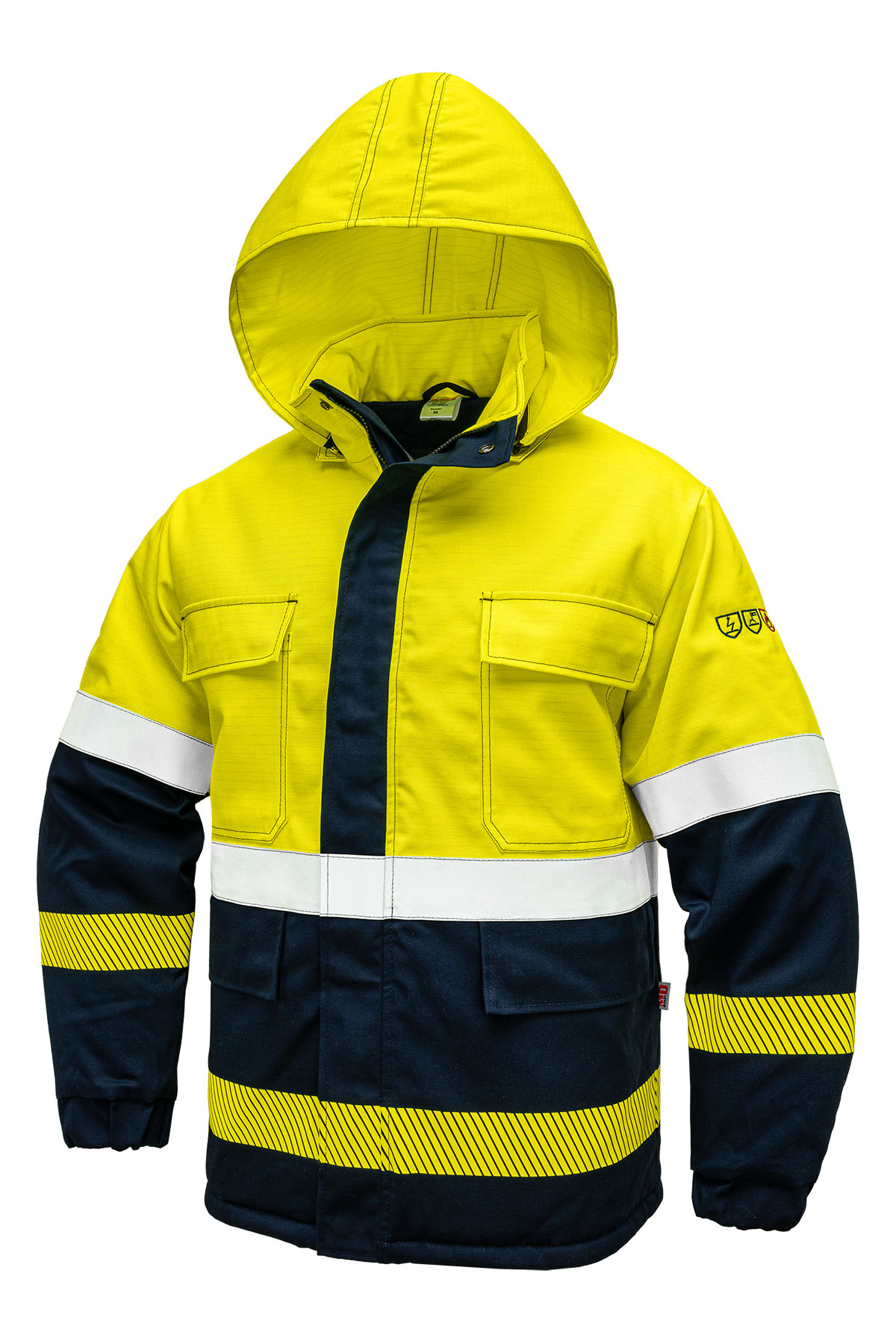
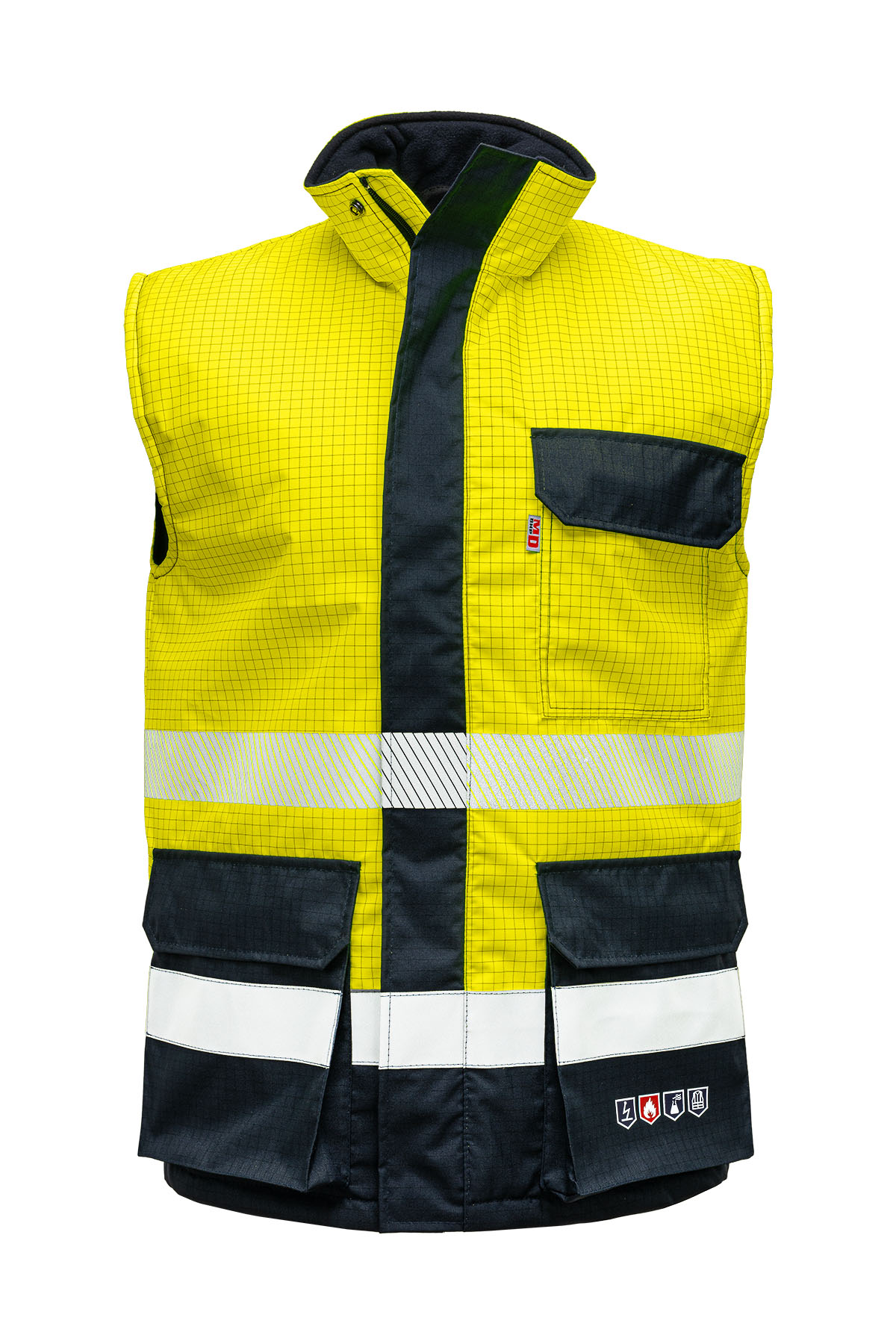
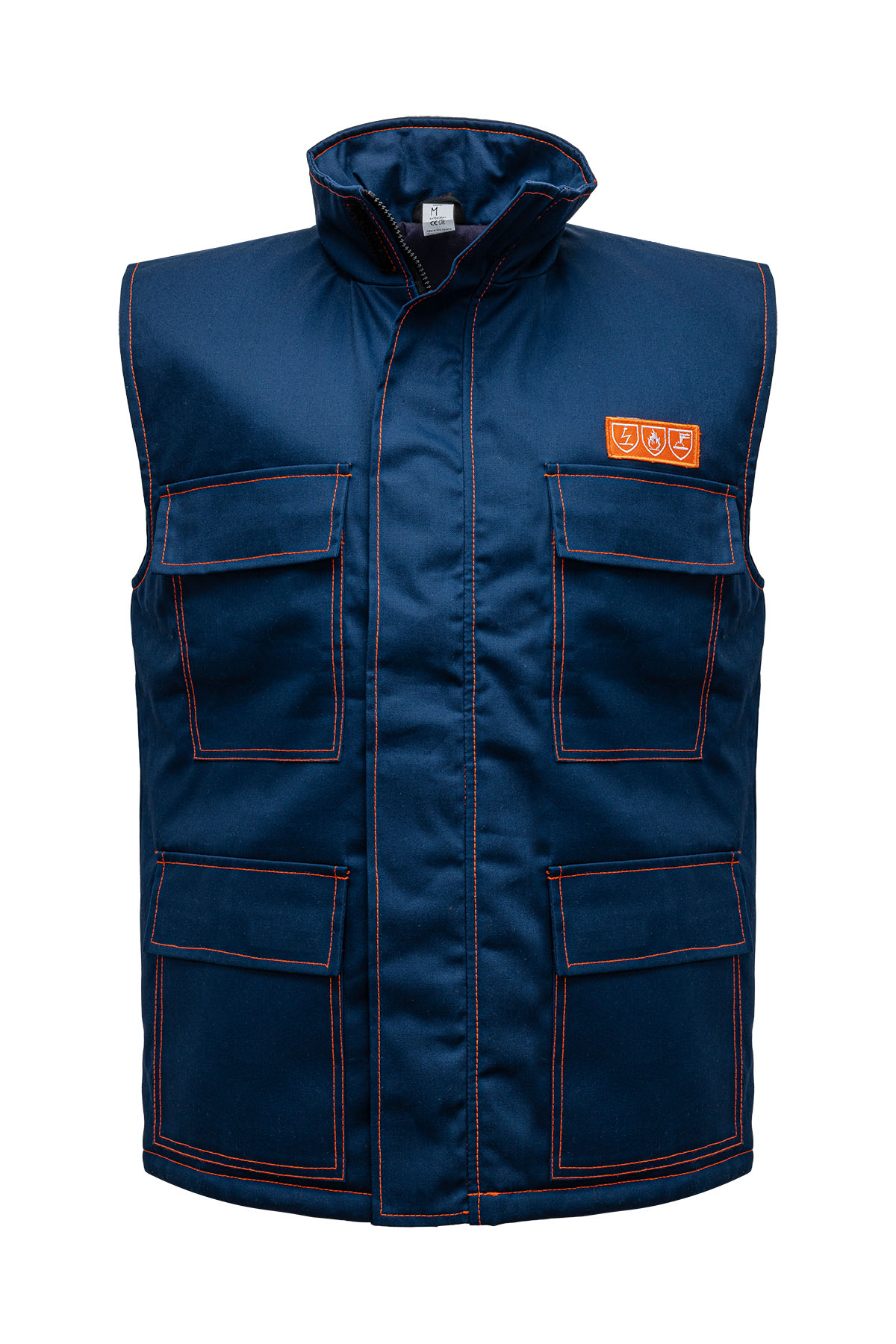
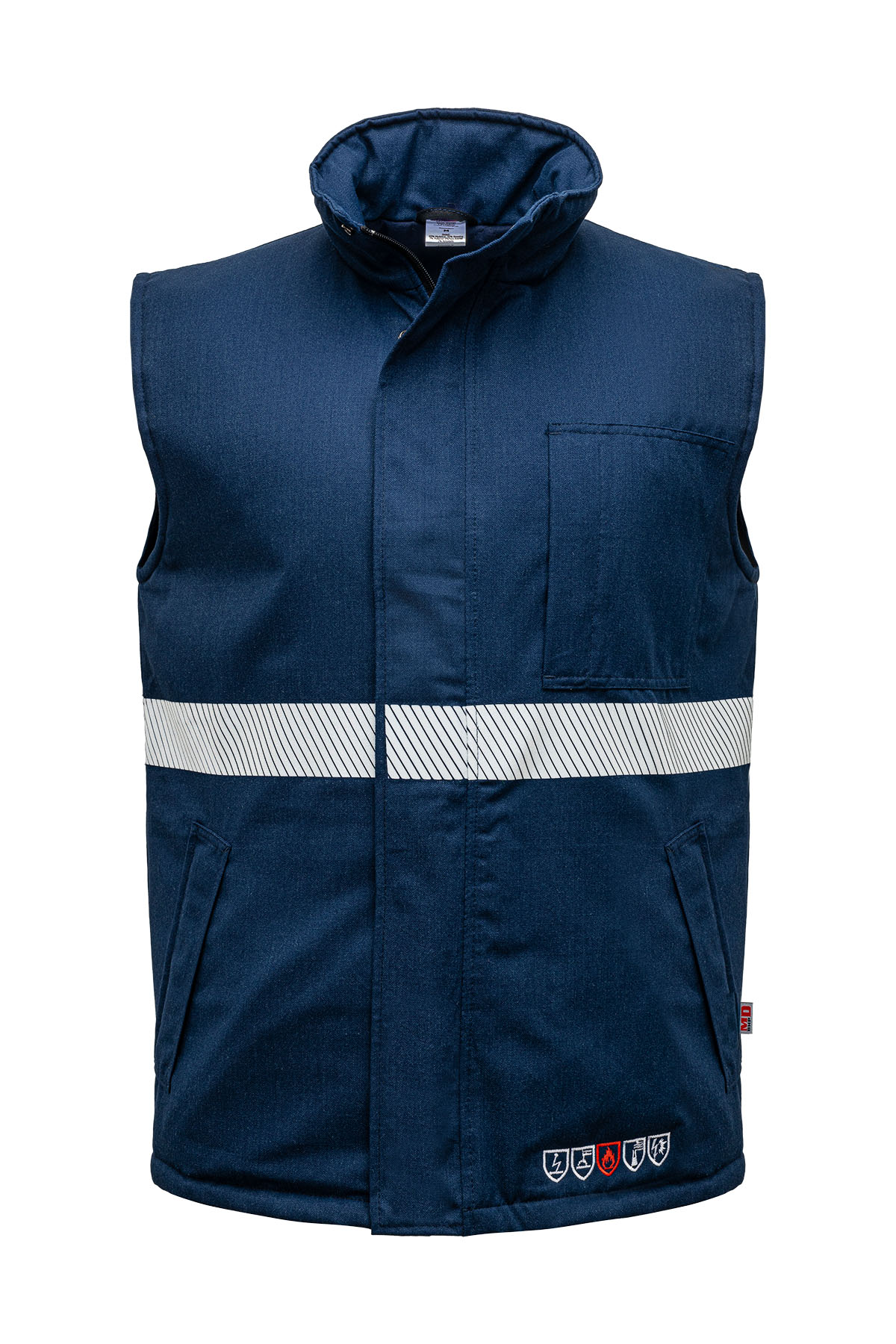
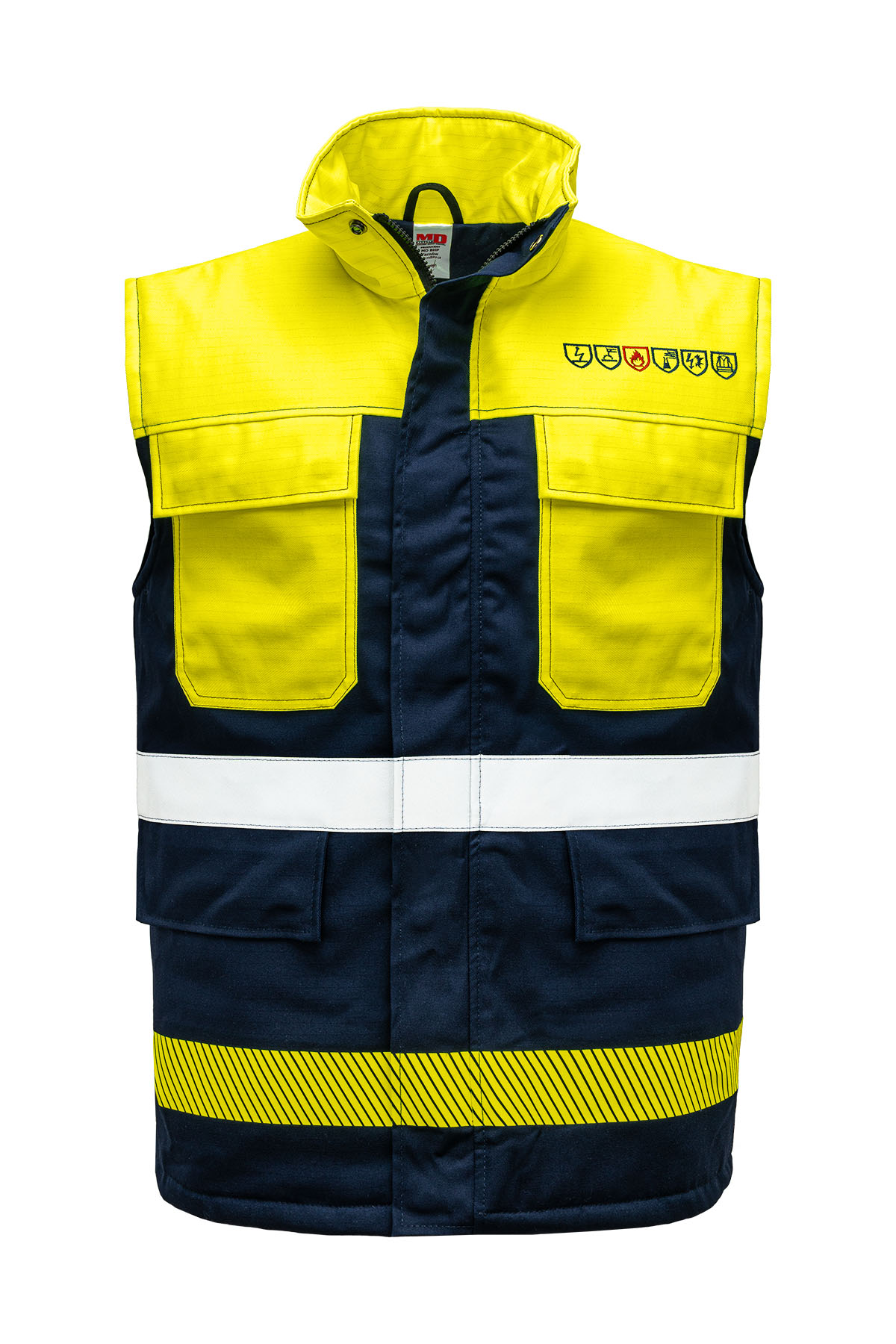
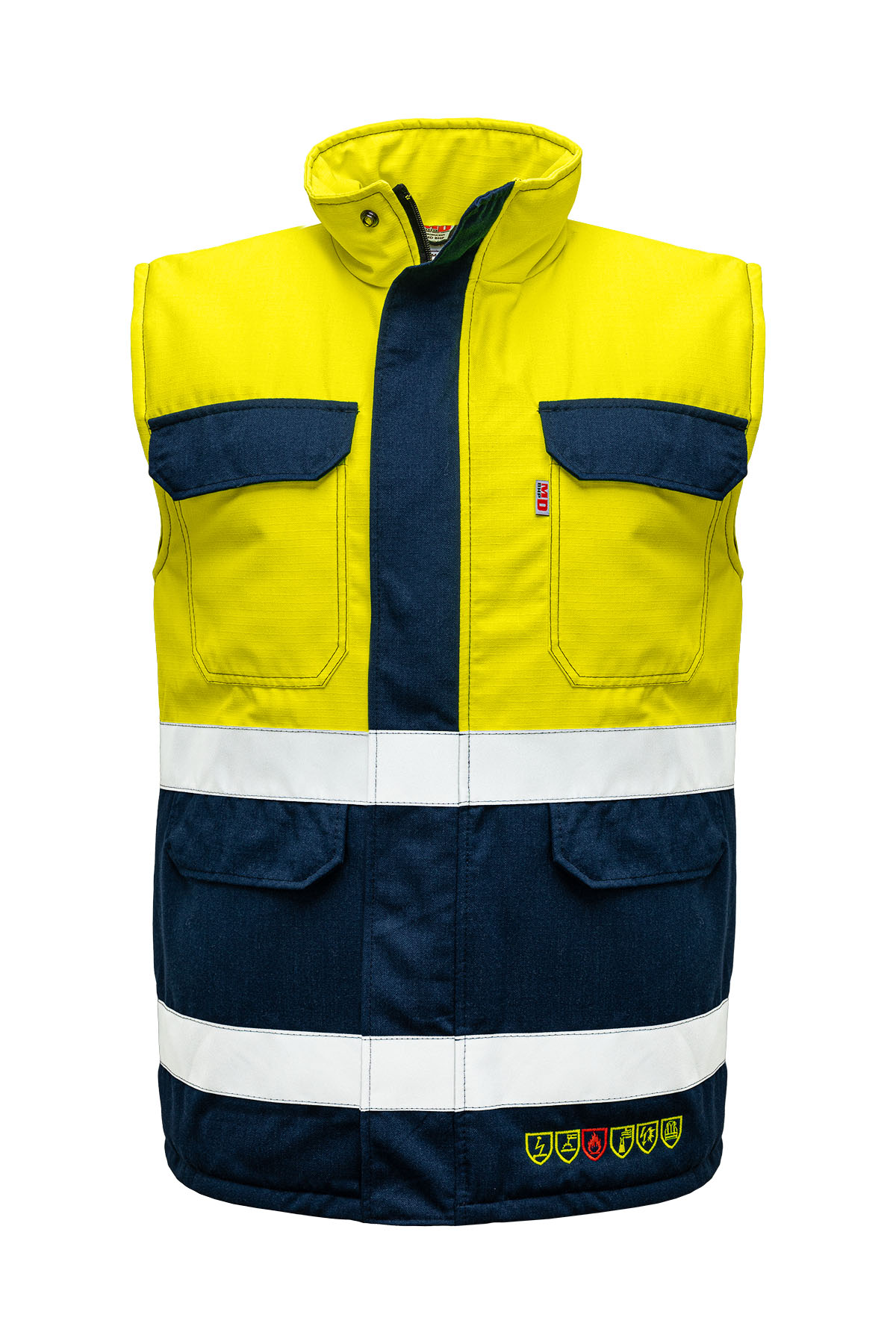
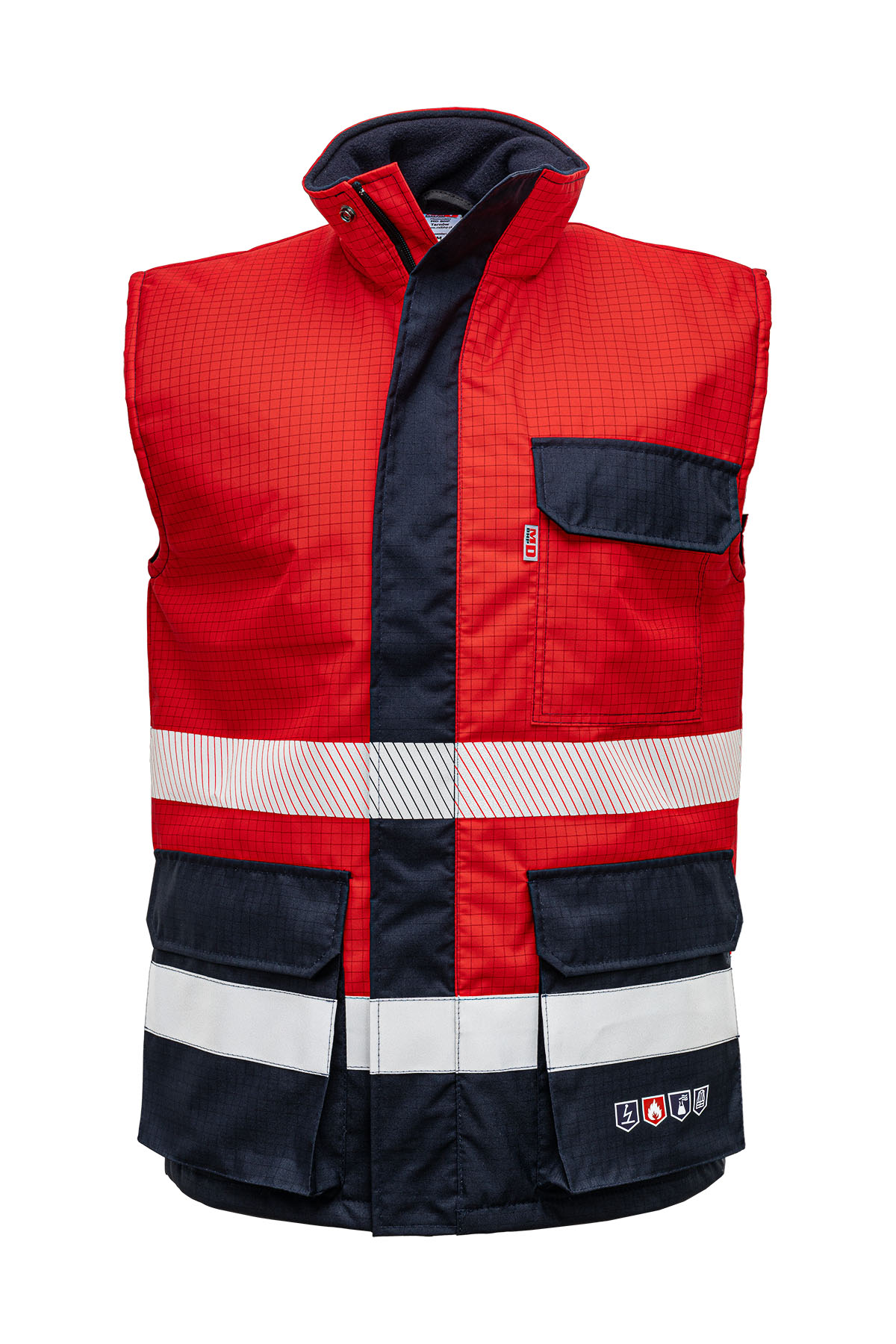
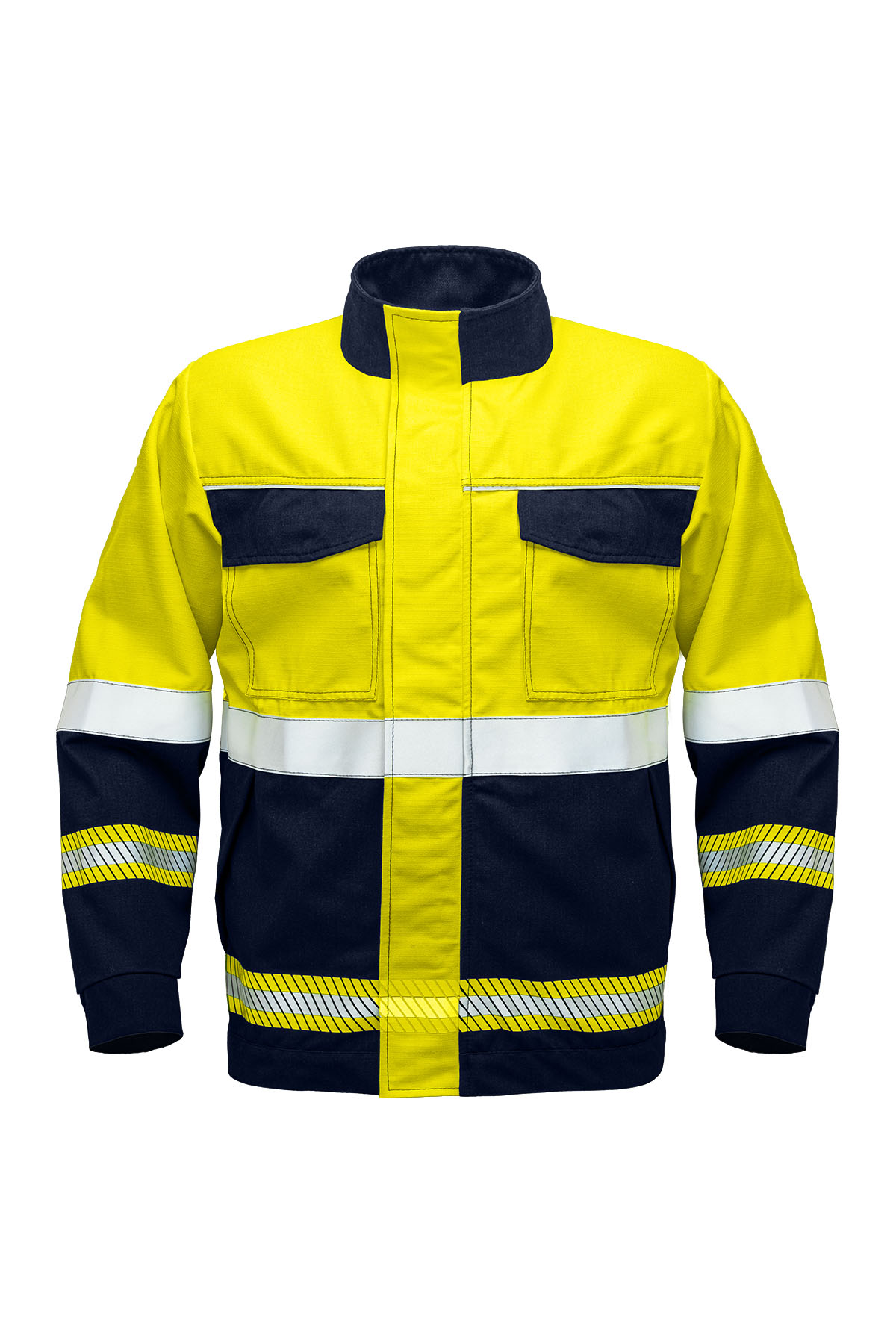
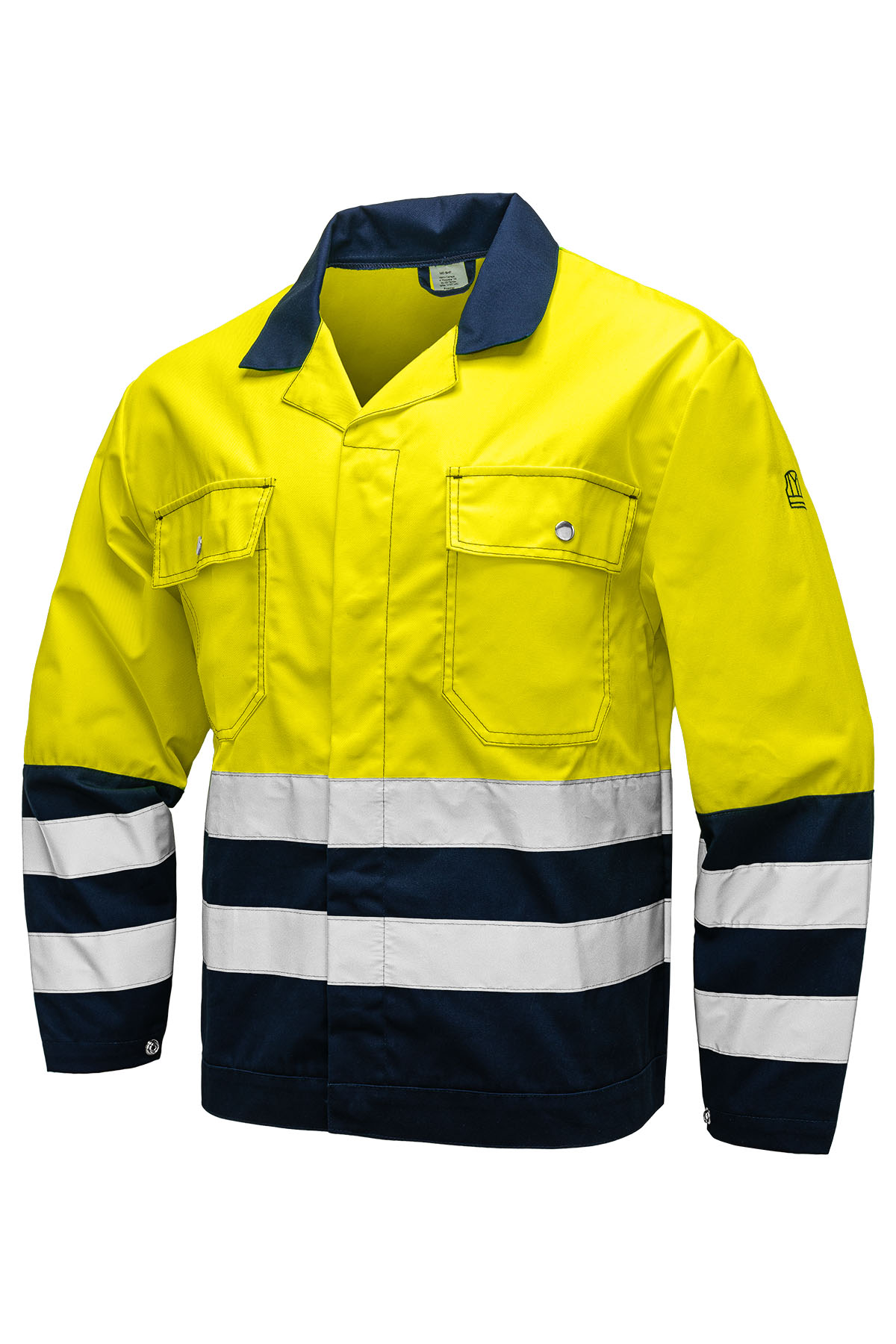
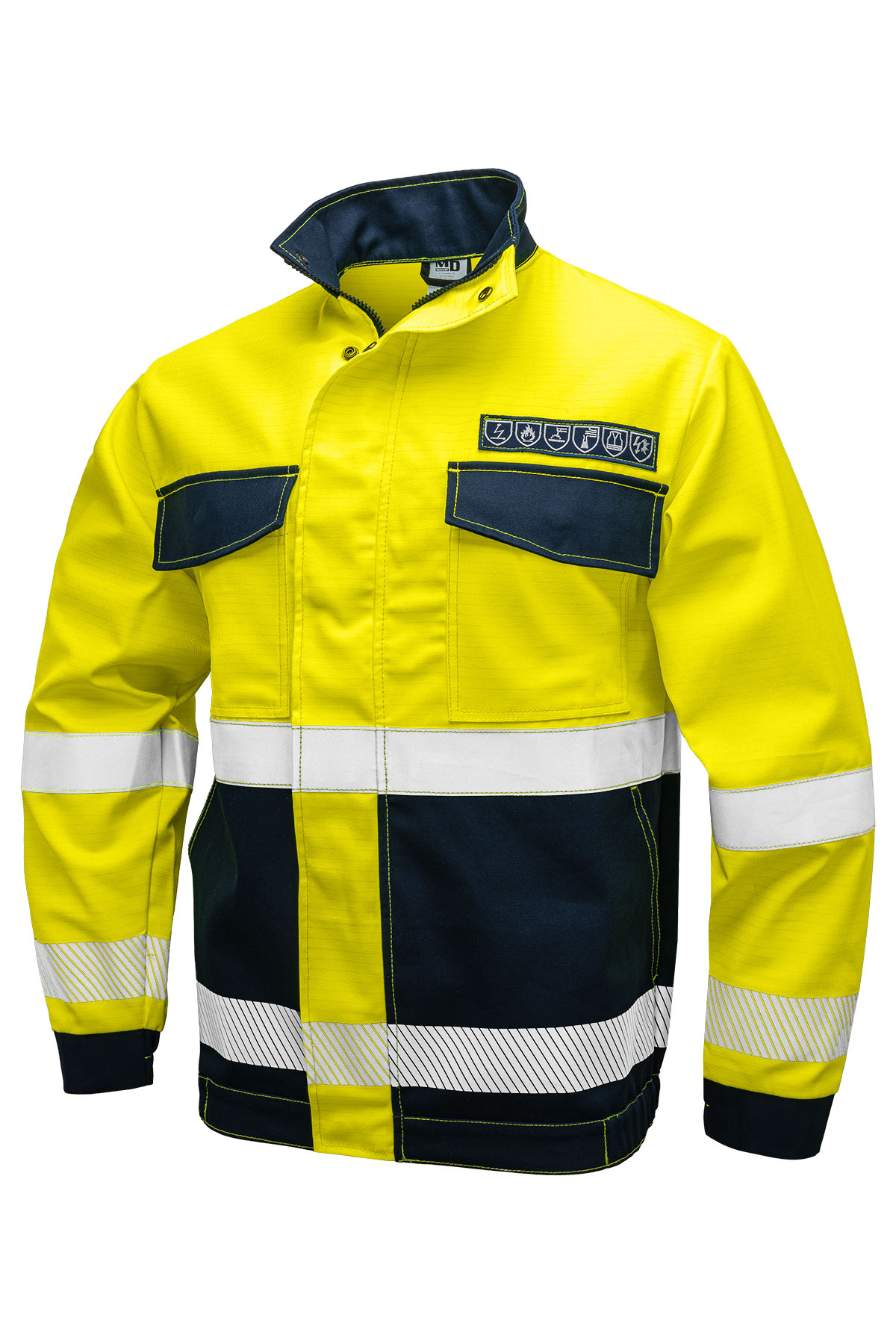
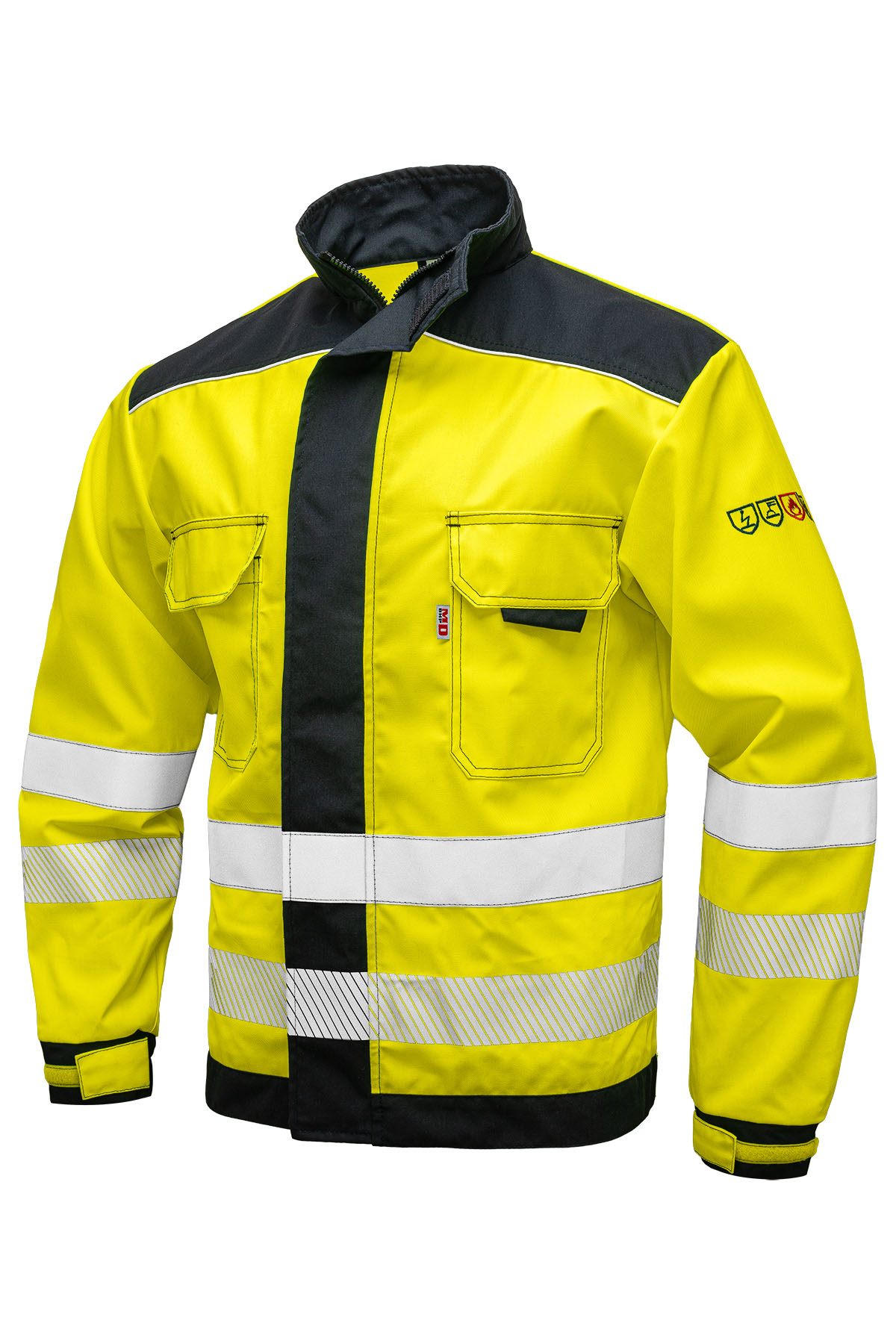
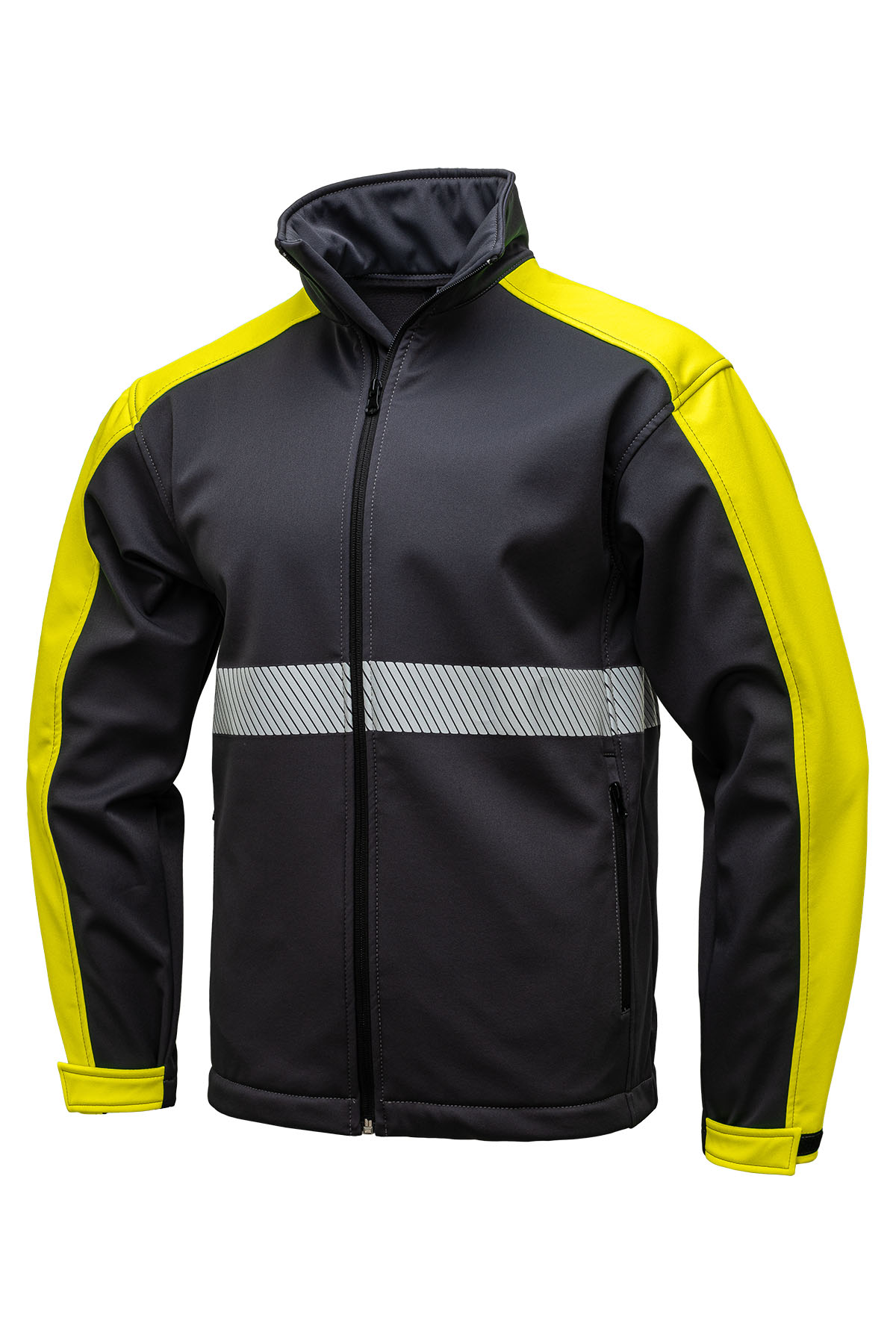
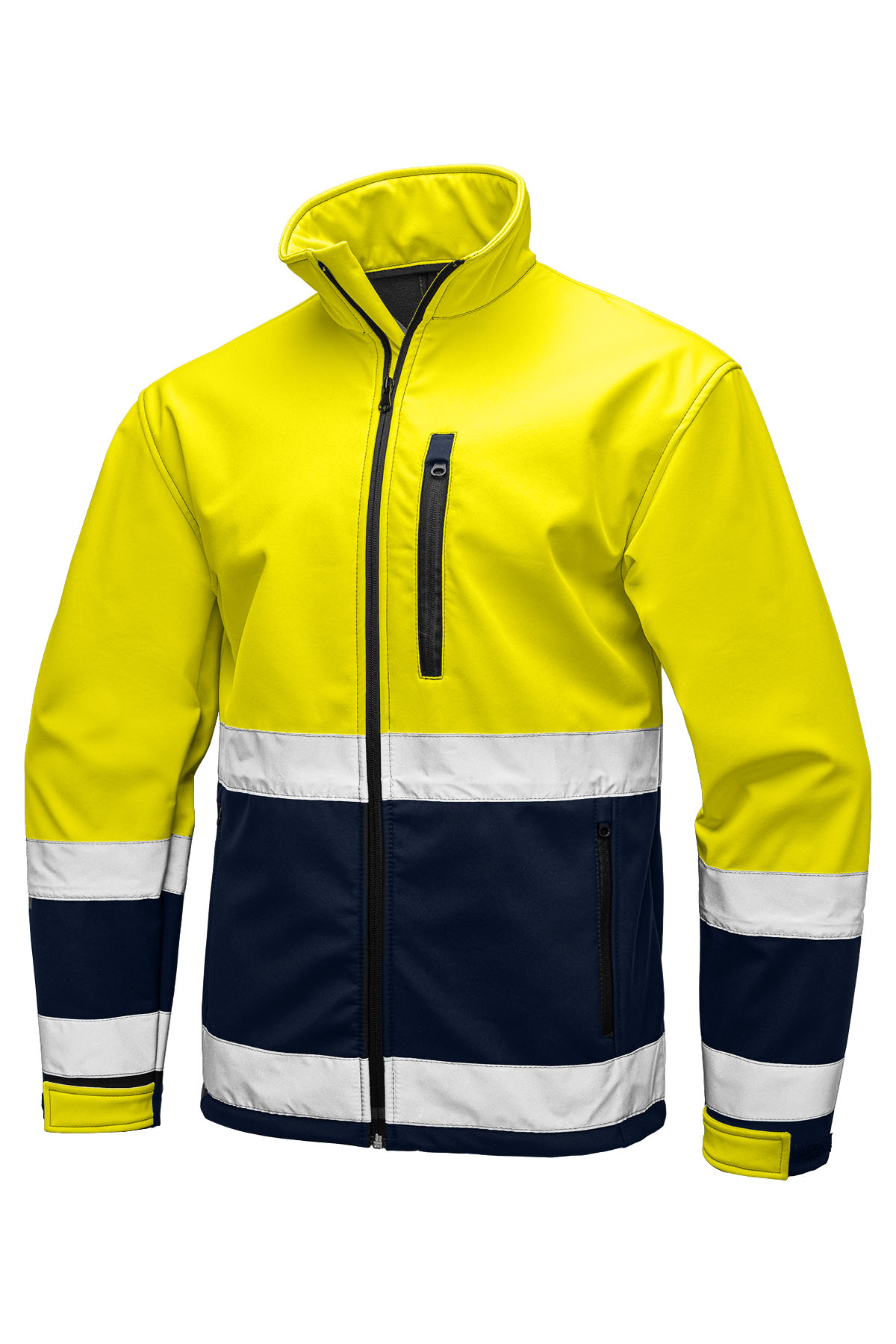
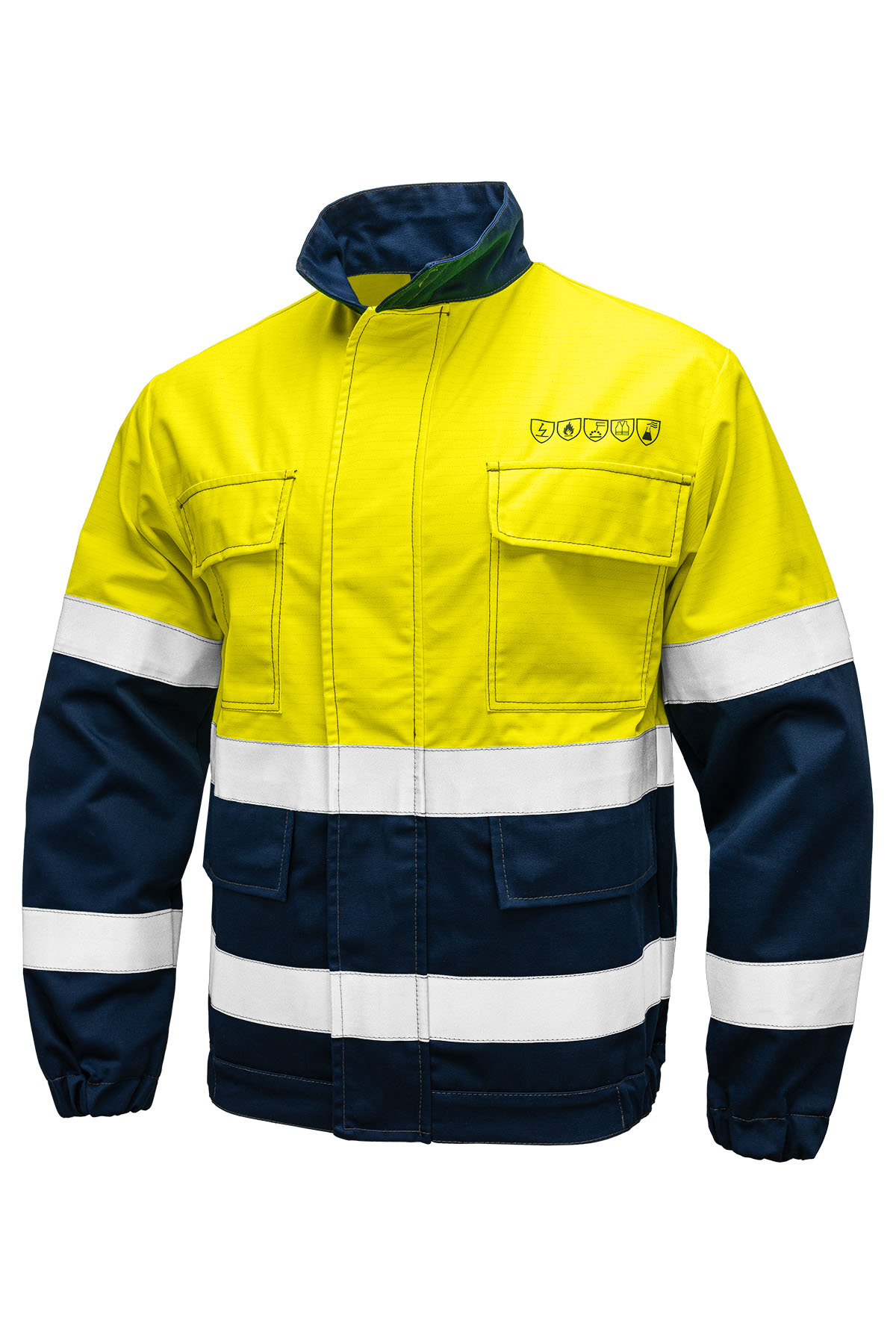
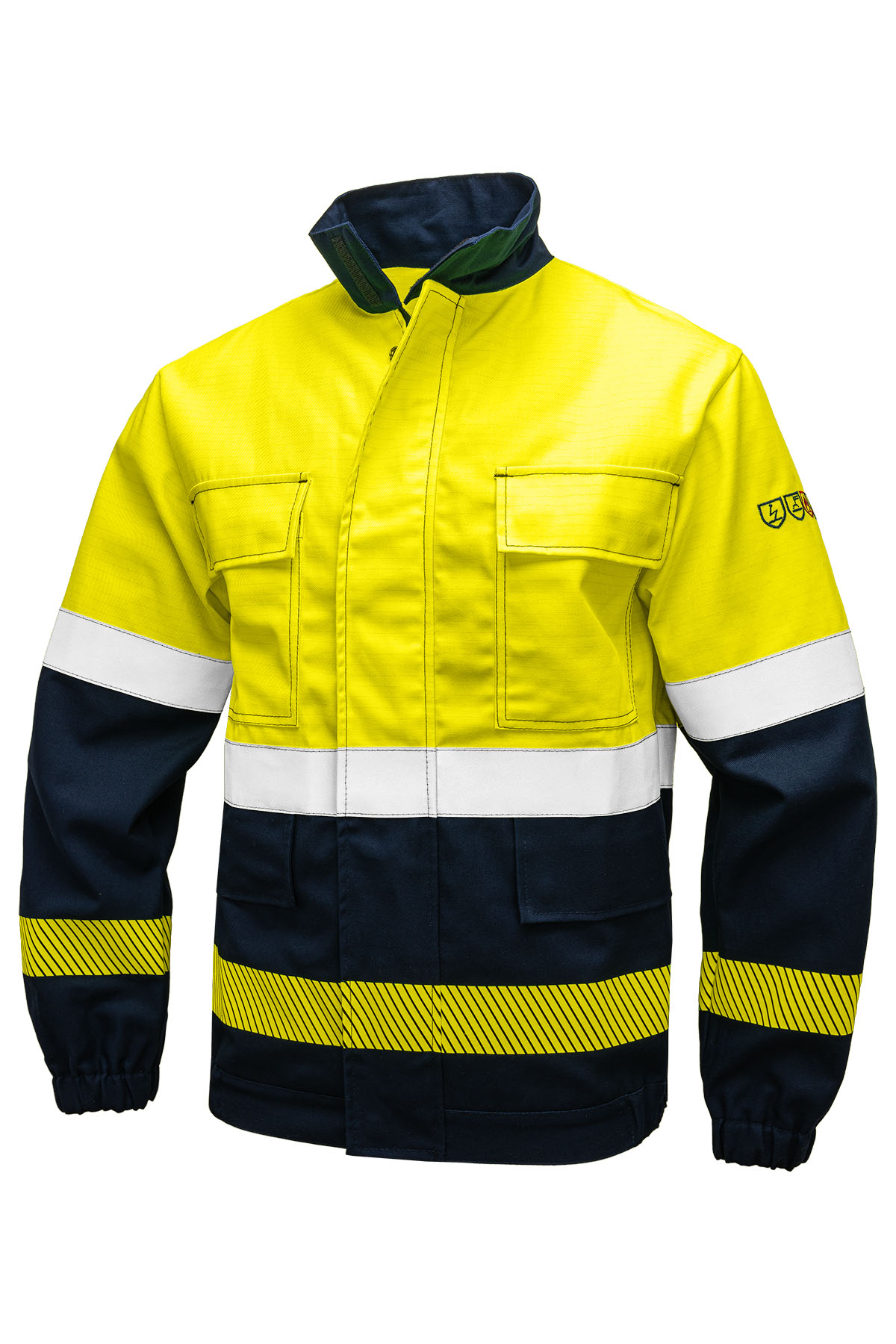
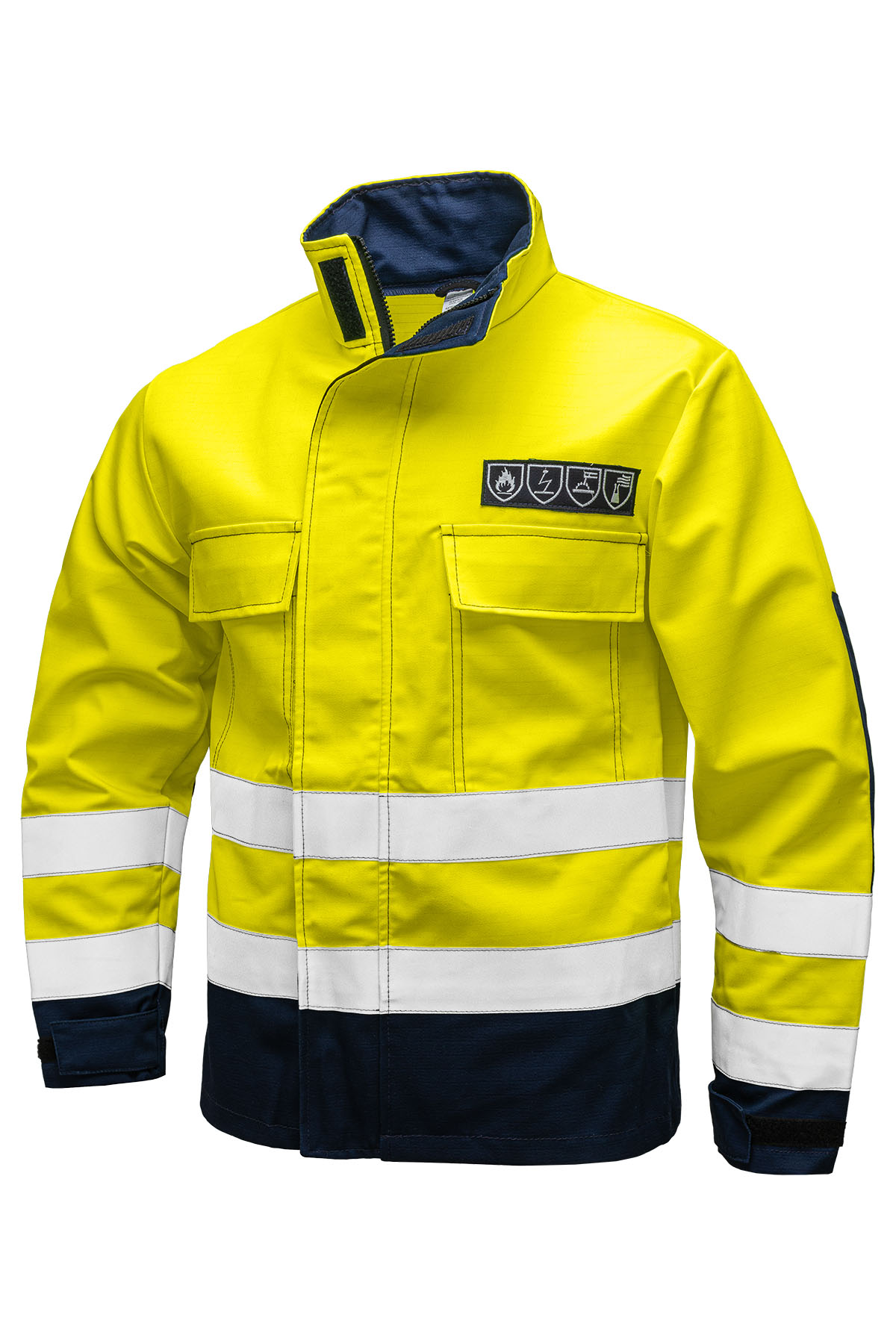
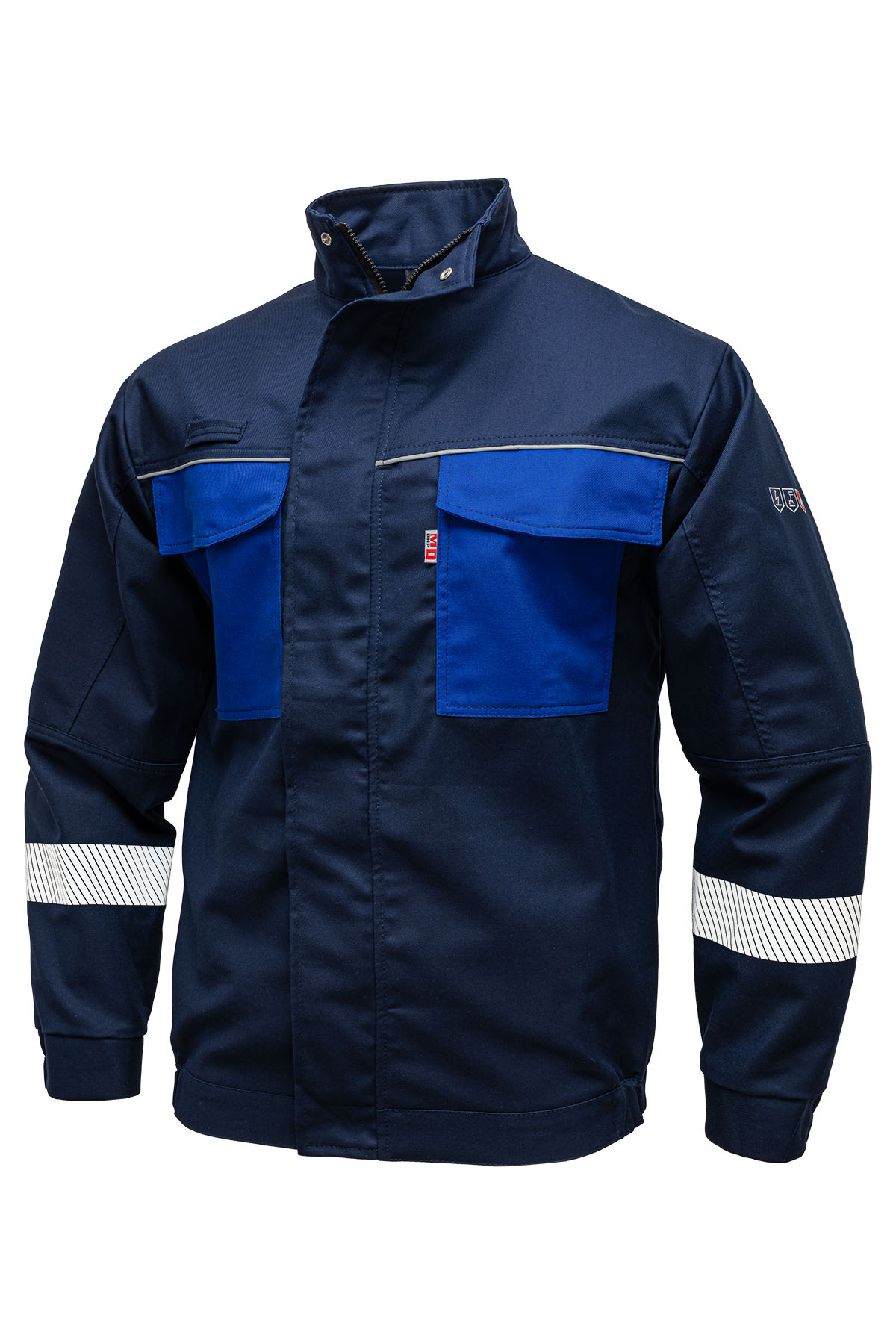
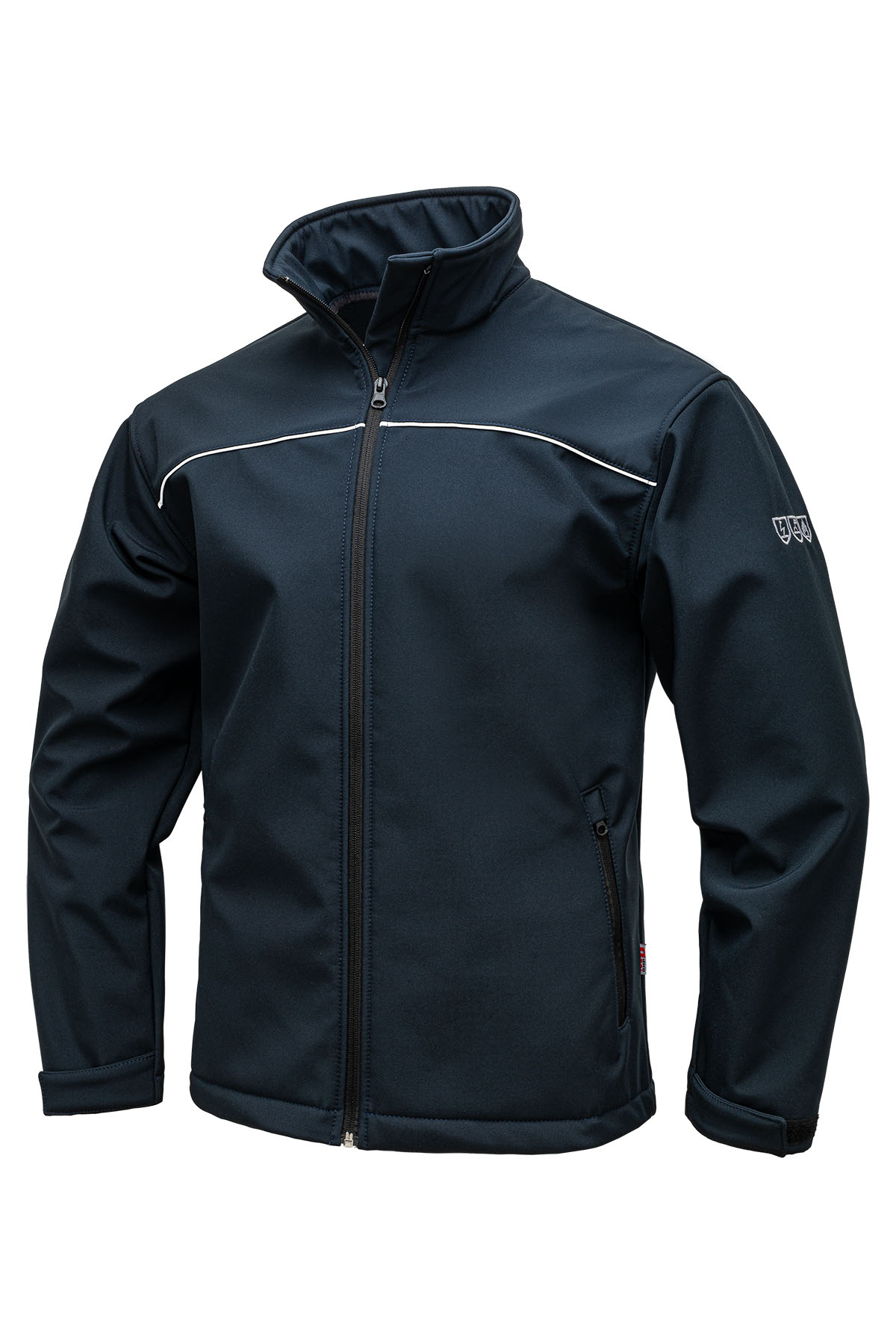
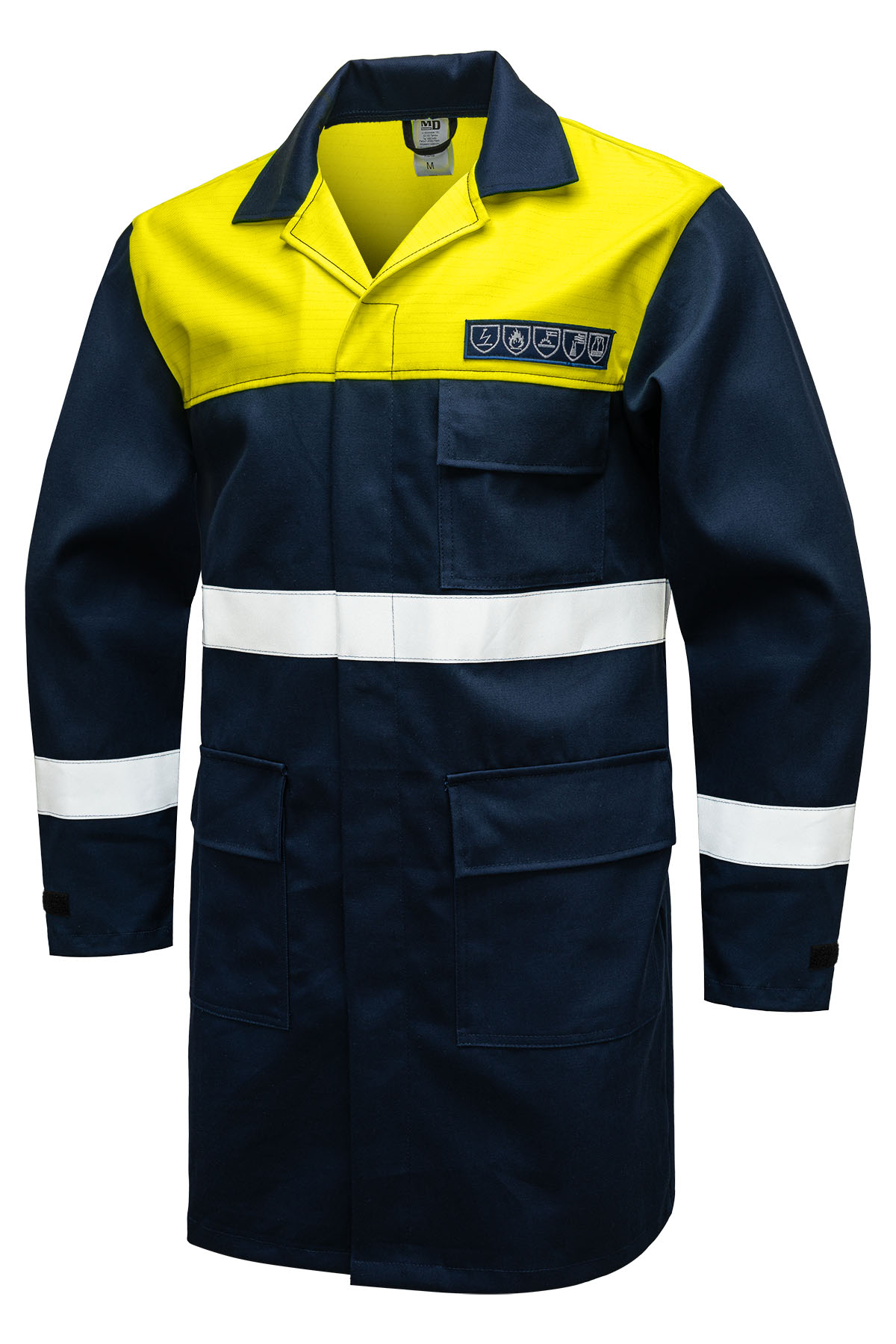
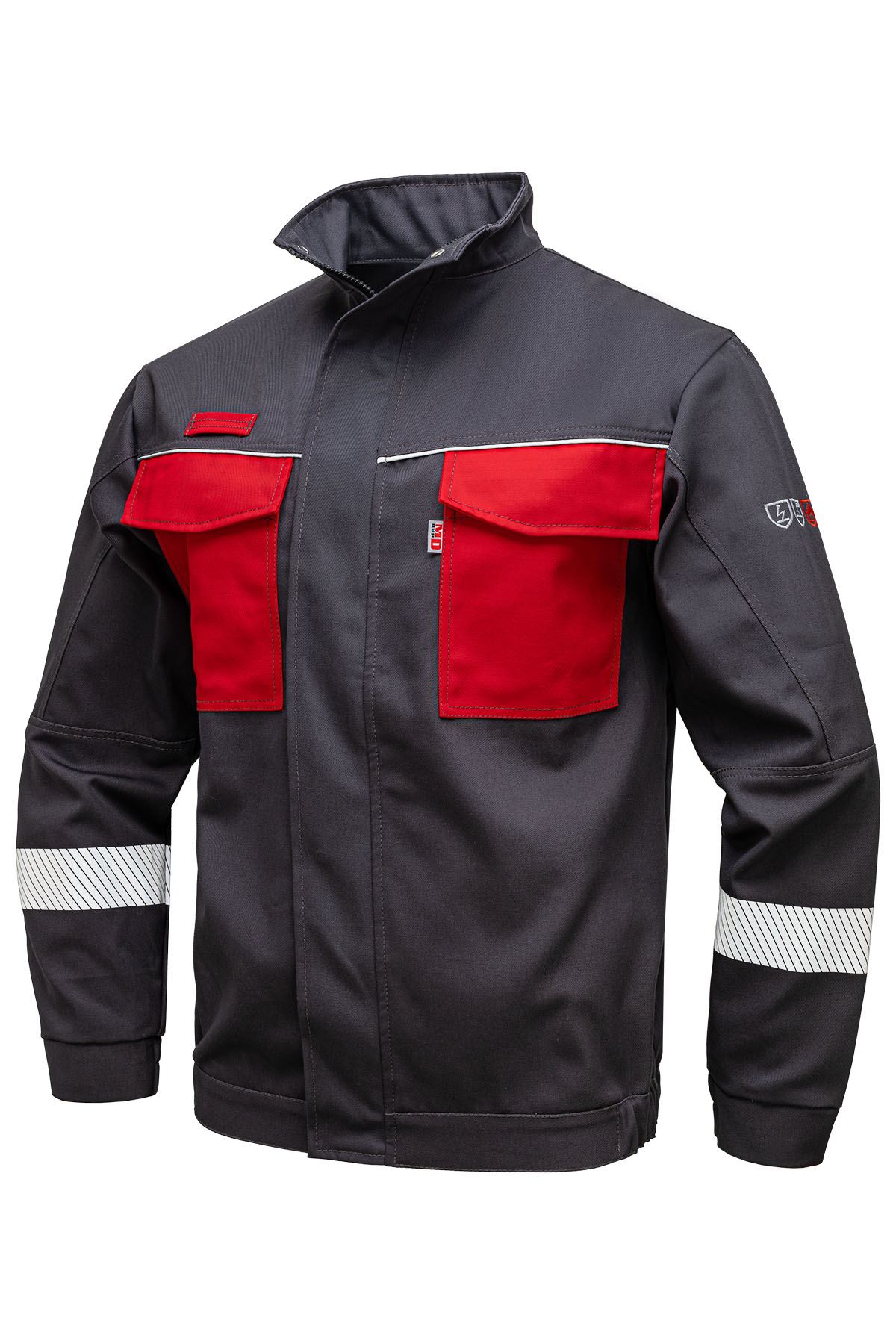
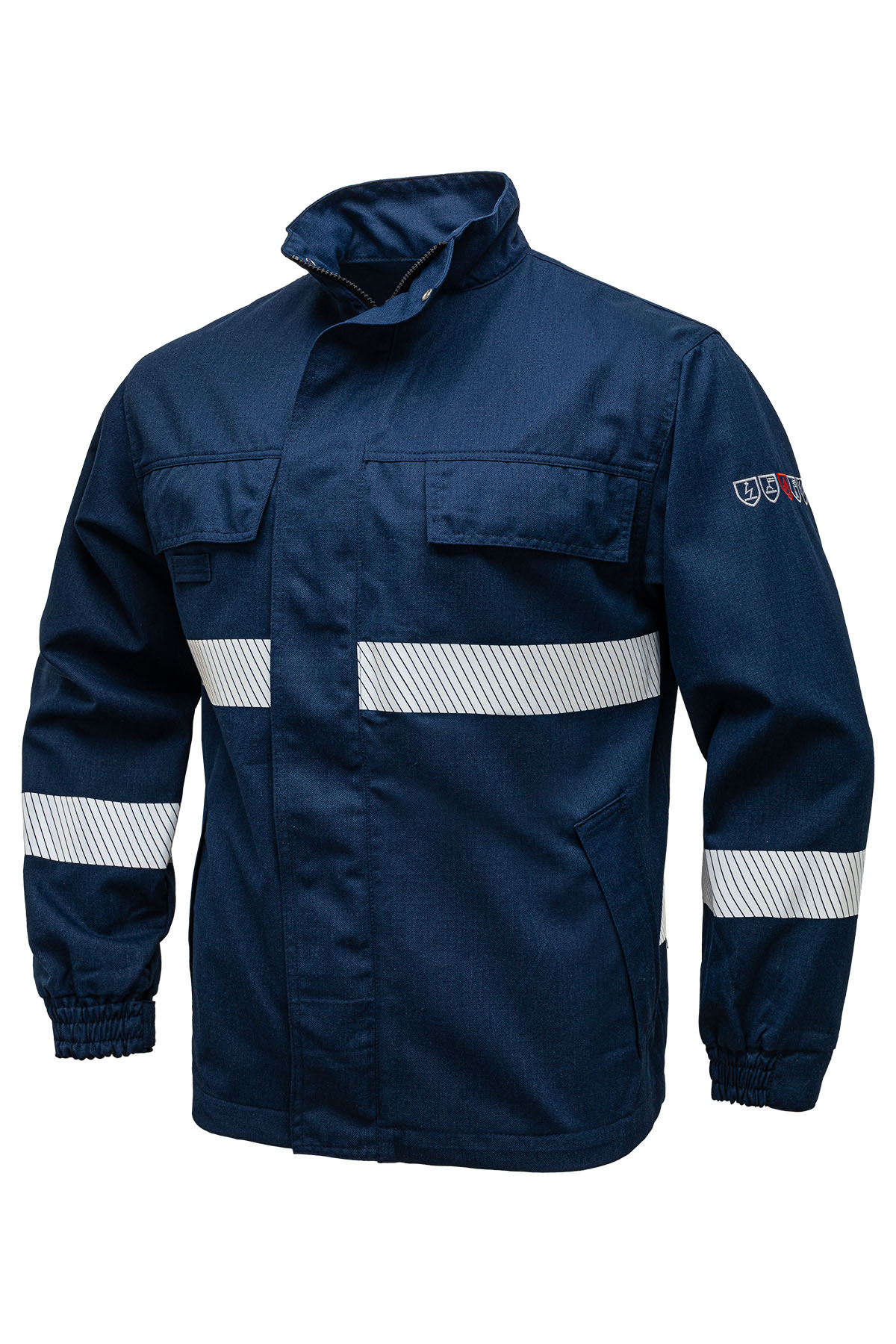
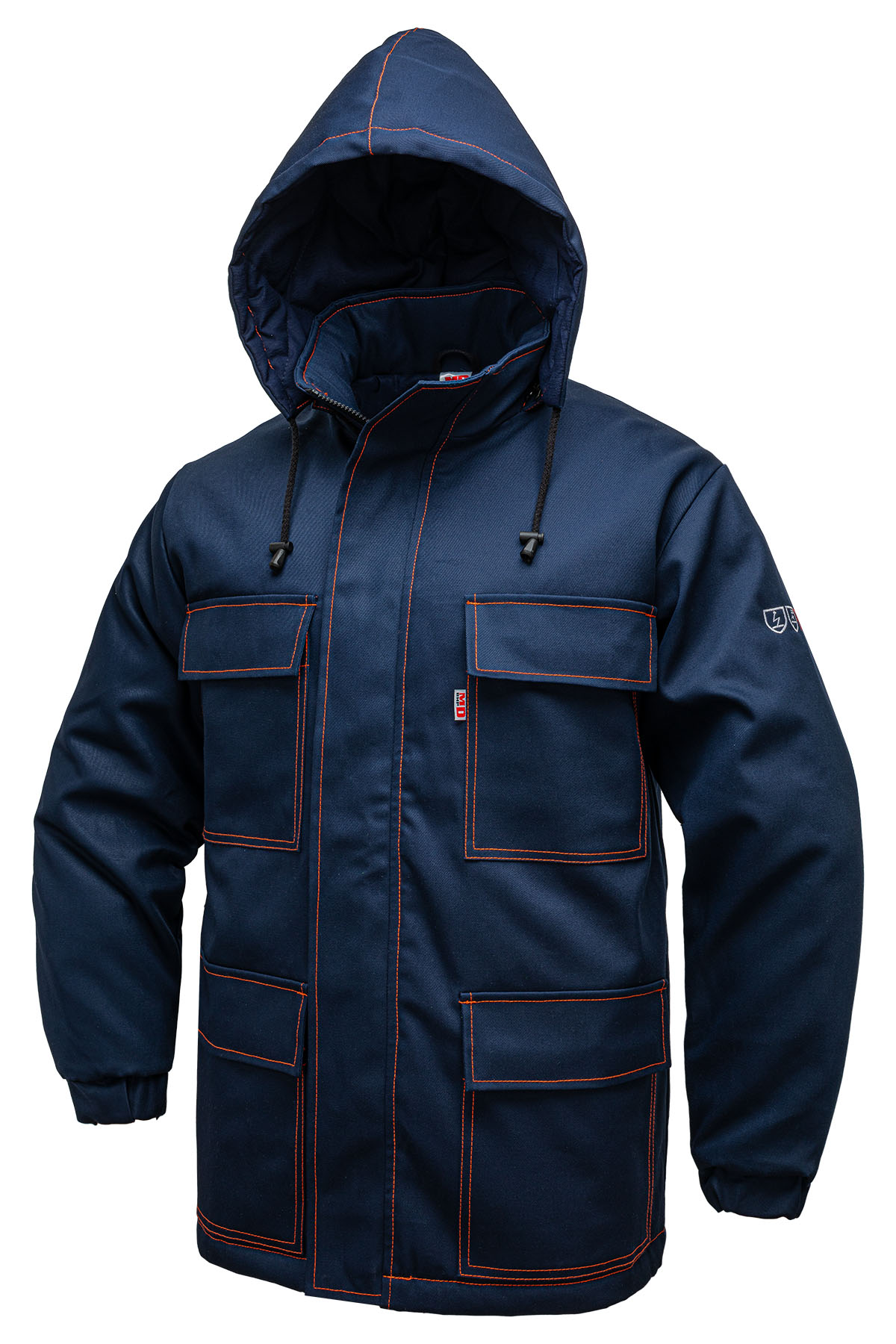
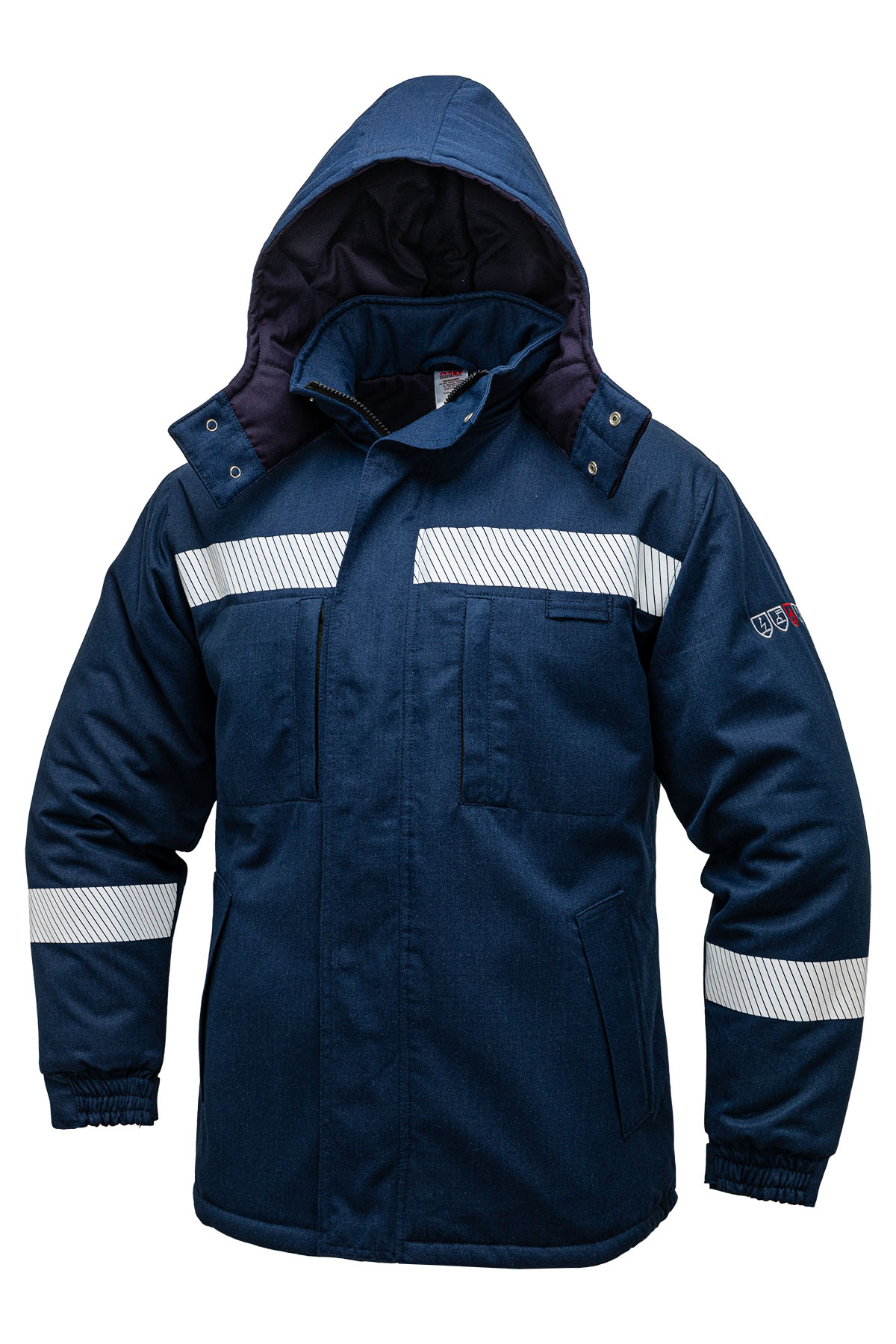
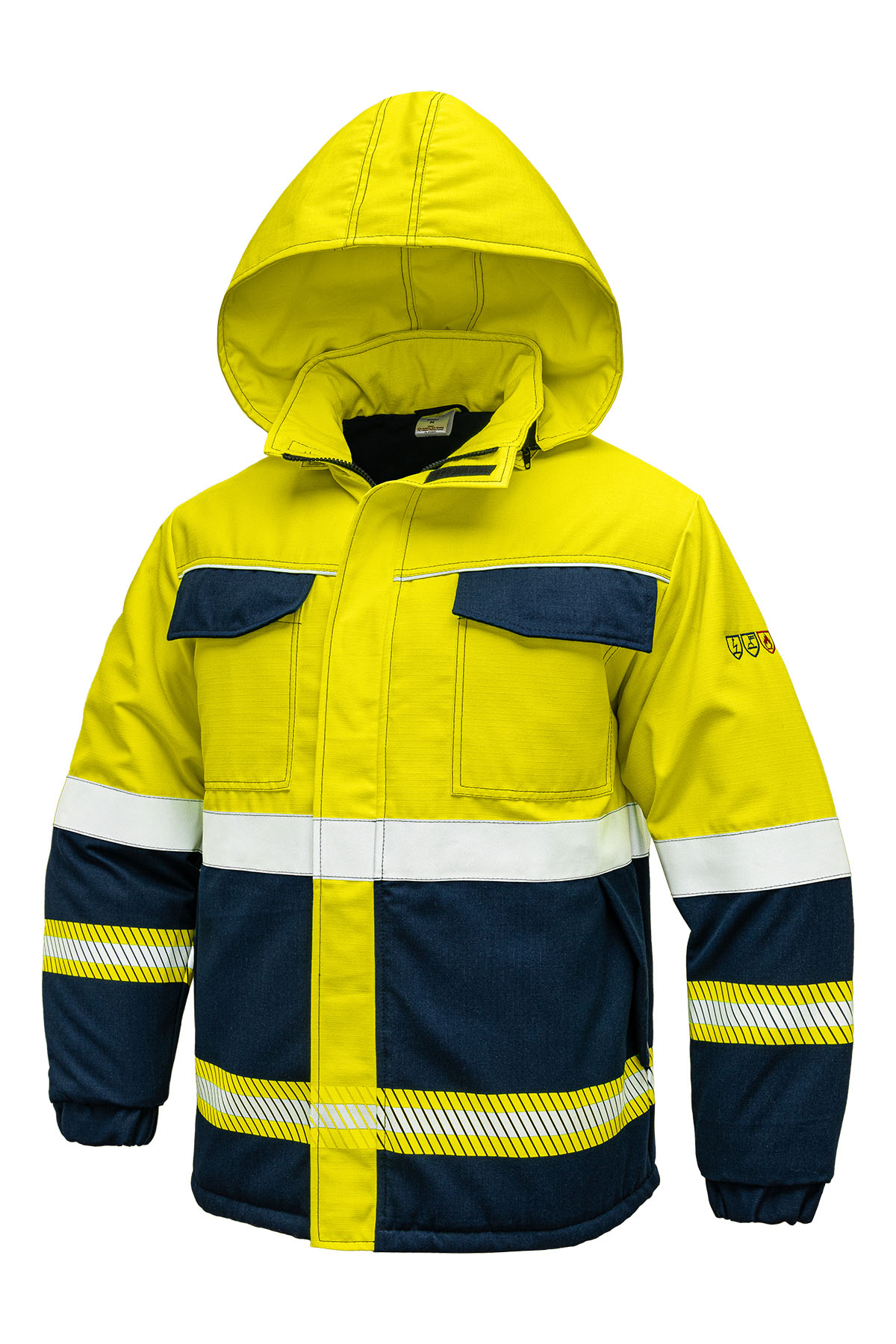
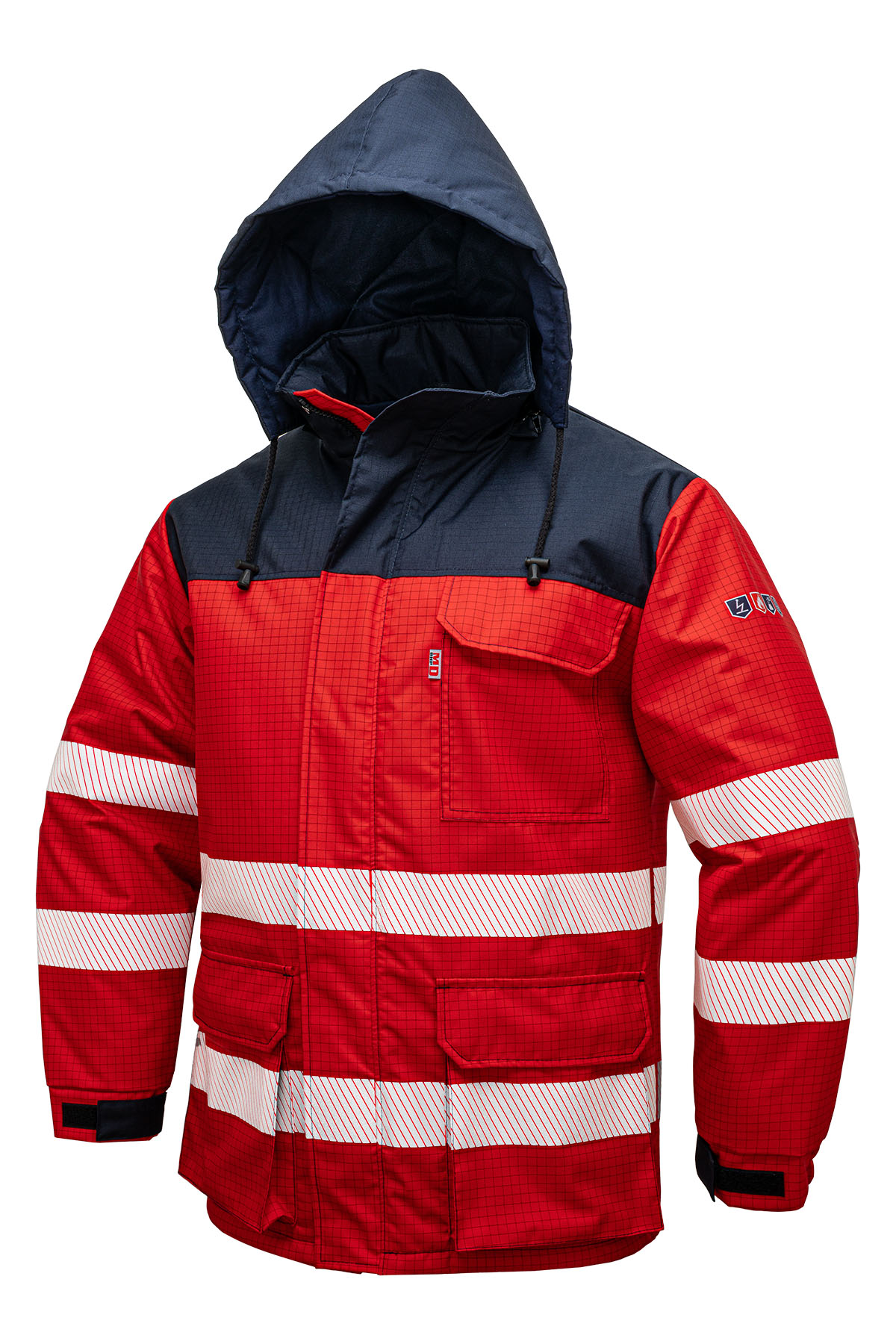
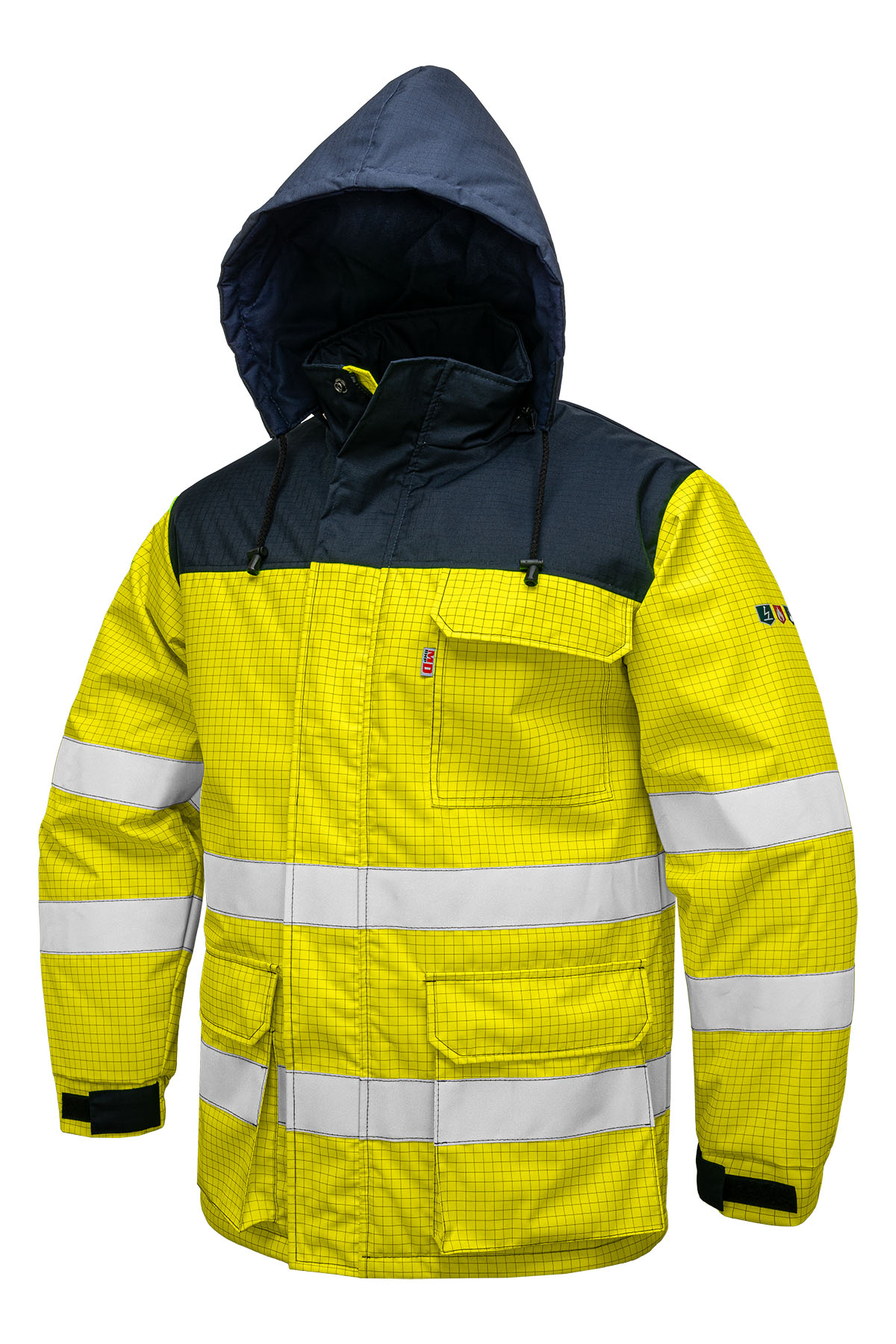
Packshot of OHS clothes is a challenge from the very beginning
Preparing protective OHS workwear for a professional product session is quite a challenge. The packshot itself is only a consequence of a number of preparatory treatments and takes only a fraction of the time, which should mostly be spent on proper preparation.
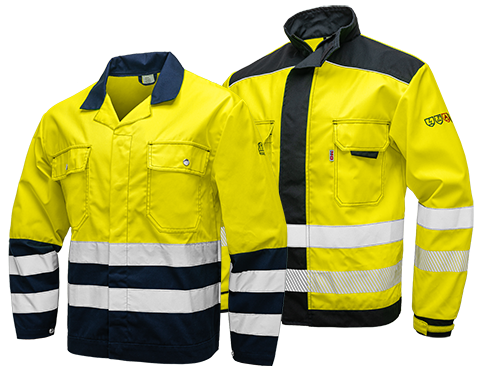
What to look for when taking pictures of work jackets and ghost vests?
The material must be properly ironed with a premium class steamer – equipment used in stores that can handle several hours of ironing every day (it is a kind of working ox). Reflectors should be properly positioned in relation to the emitted light, and the arms should be bent properly. For this purpose, a special mannequin with movable arms is necessary – not every product photographer has one, because they are difficult to access. This allows you to give your photos more dynamism and make them more attractive. In addition, special protective elements of the clothing must be exposed, such as: fabric thickenings, double overlock sewing, pockets, lapels, collars, sleeve reinforcements or even special plates on the stomach or back.
What not to do with such packshots of protective clothing?
One or two photos for a jacket is definitely not enough. Whether we are doing a front, a 30-45 degree angle, a backward or a side, we need to take a series of shots. This garment is about showing its specific properties: sharpness and the correct presentation of colors are therefore important – especially neon aquamarine or "eye-catching" orange. If the garment has a hood, it cannot be skipped. You need to show how it looks lying down and how it looks standing (thanks to this, we reveal its interior, which is also very important).
Ways to present workwear
It is certainly not worth taking photos flat (flat lay), because such a jacket loses its spatial character. The product can be presented on an invisible ghost mannequin, on live models or virtual models created by AI. If we decide to get a ghost, we have several ways. The first: hands straight, the material is tightly stretched, everything looks smooth, almost like a ruler, and the light strikes evenly from all sides. The second way is to undulate the material, uneven lighting (more chiaroscuro) and arms bent at the elbows and away from the body. This arrangement gives the product more dynamism.
How much does a packshot of OHS clothes cost? What is the price of a packshot?
Product photography of protective clothing is much more expensive, which is directly due to the specificity of the clothes themselves. They are stiff, hard and very difficult to iron even with a powerful steamer (you should never iron such materials with an iron – the material will "catch"). You also have to put a lot of effort into putting such clothes on a mannequin at all, which crackles when pulling on the jacket – especially his hands. Health and safety clothes are not a cotton t-shirt that can be ironed with one pull of the steamer. It is technical, workwear, created for special tasks for professionals. In response to the customer's comments about the high price, it is worth presenting in detail the process of taking such photos. He will definitely understand this if he cares about premium product photos.

