
PTZ camera packshot photos
Product photography is not only photos of everyday objects, jewellery, clothes, watches, haberdashery or electronics and household appliances. Large-scale continuous industrial monitoring equipment is a branch in our pakshot industry that literally requires the artist's masterful eye, engineering precision, and the strength of a strongman.
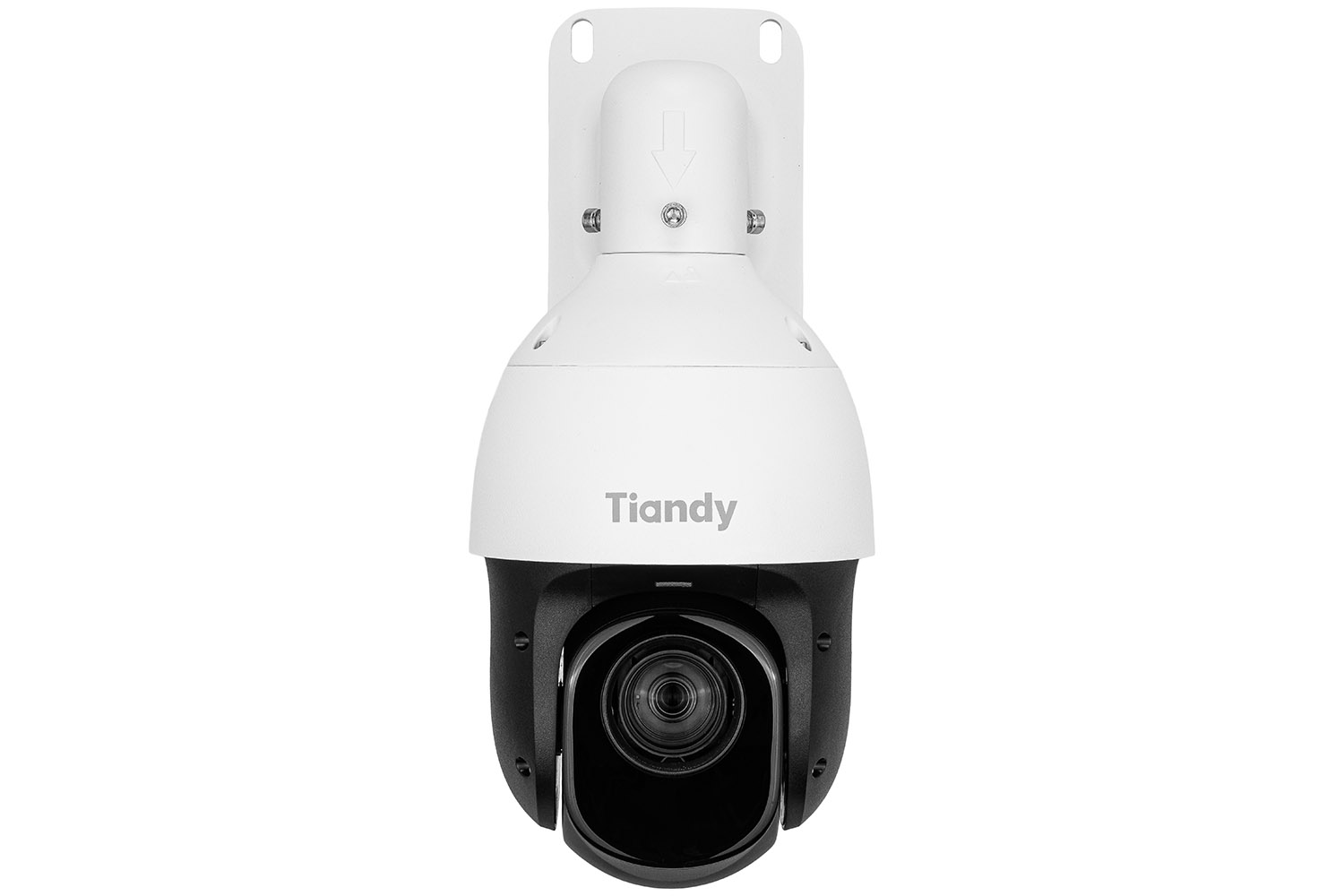
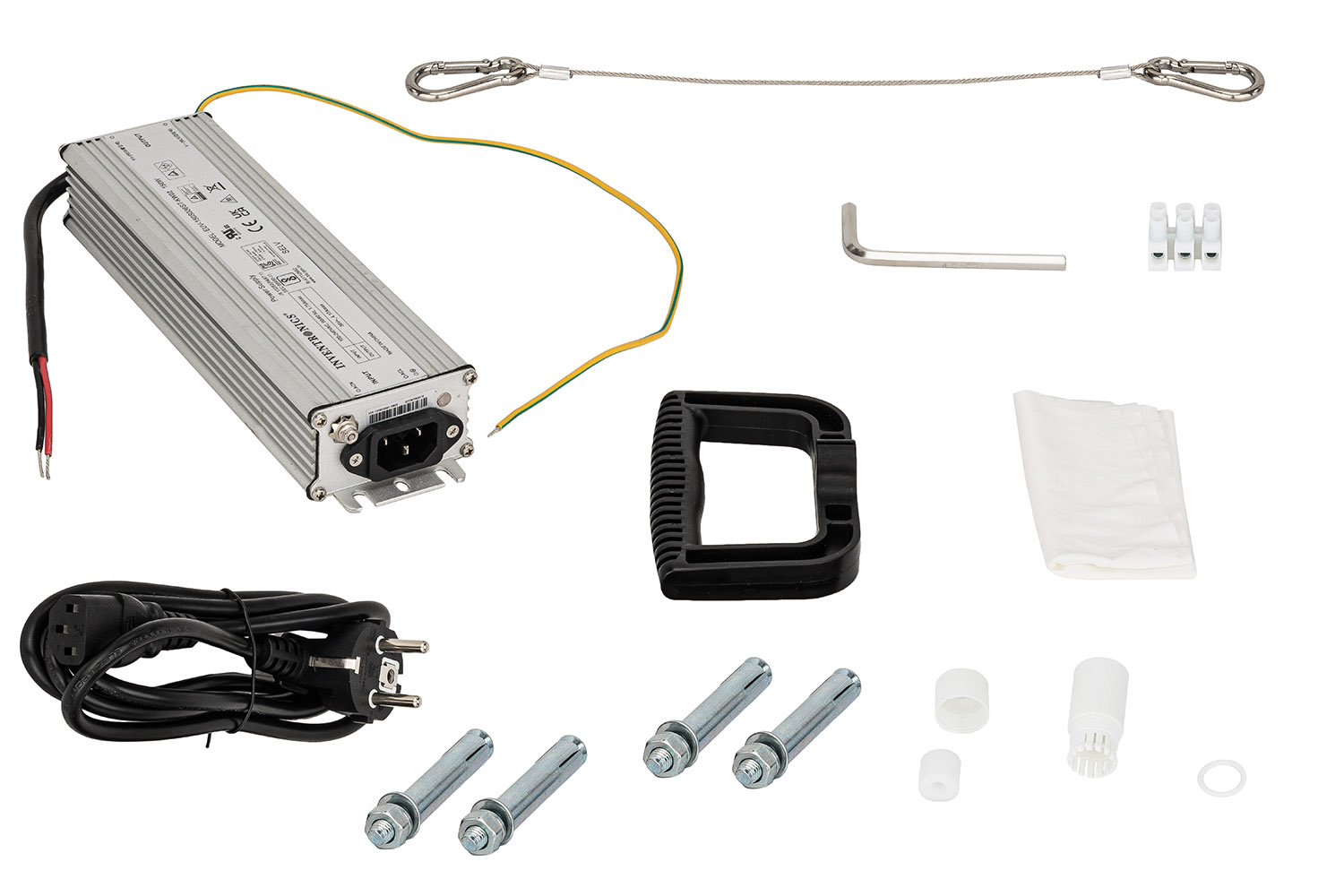
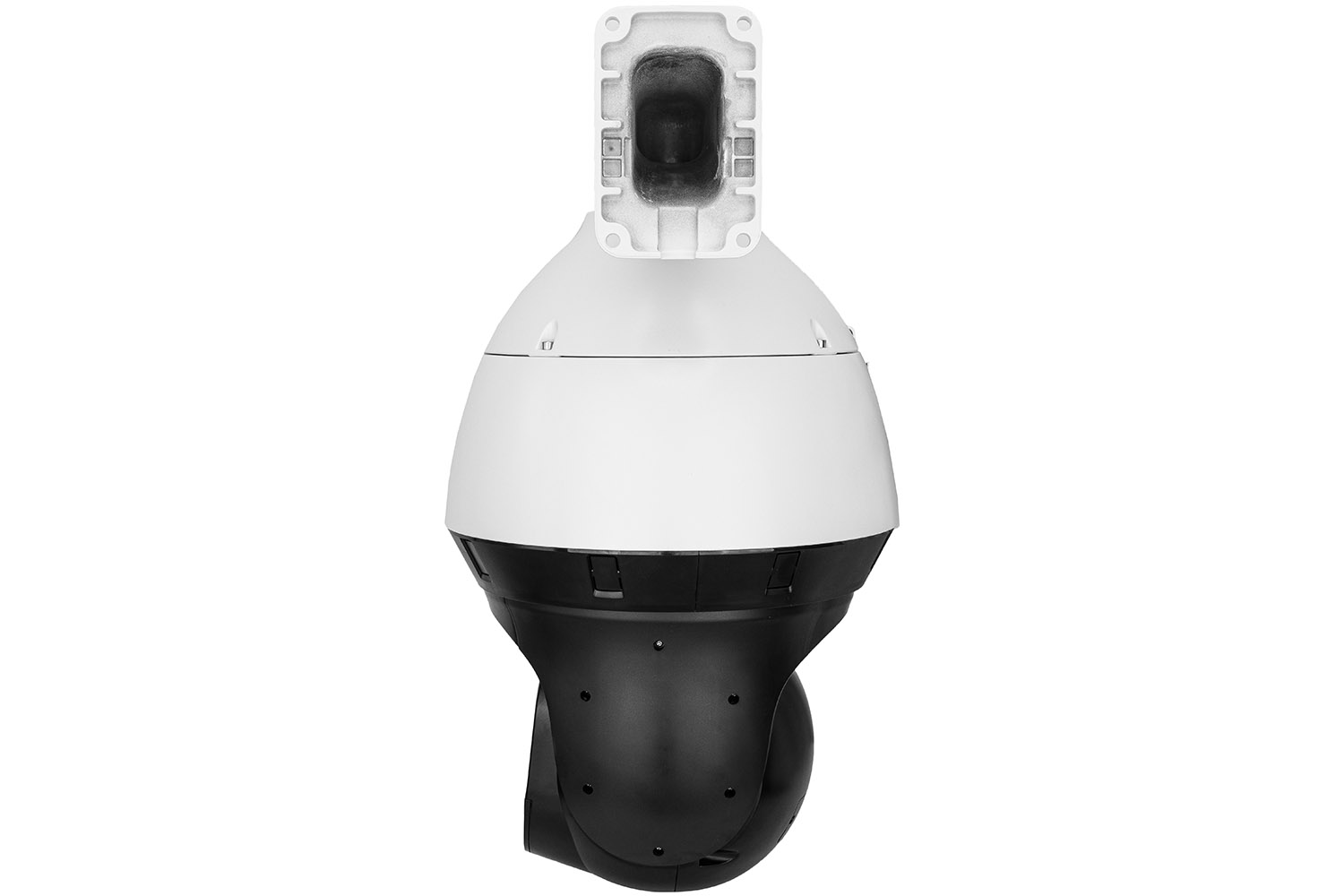
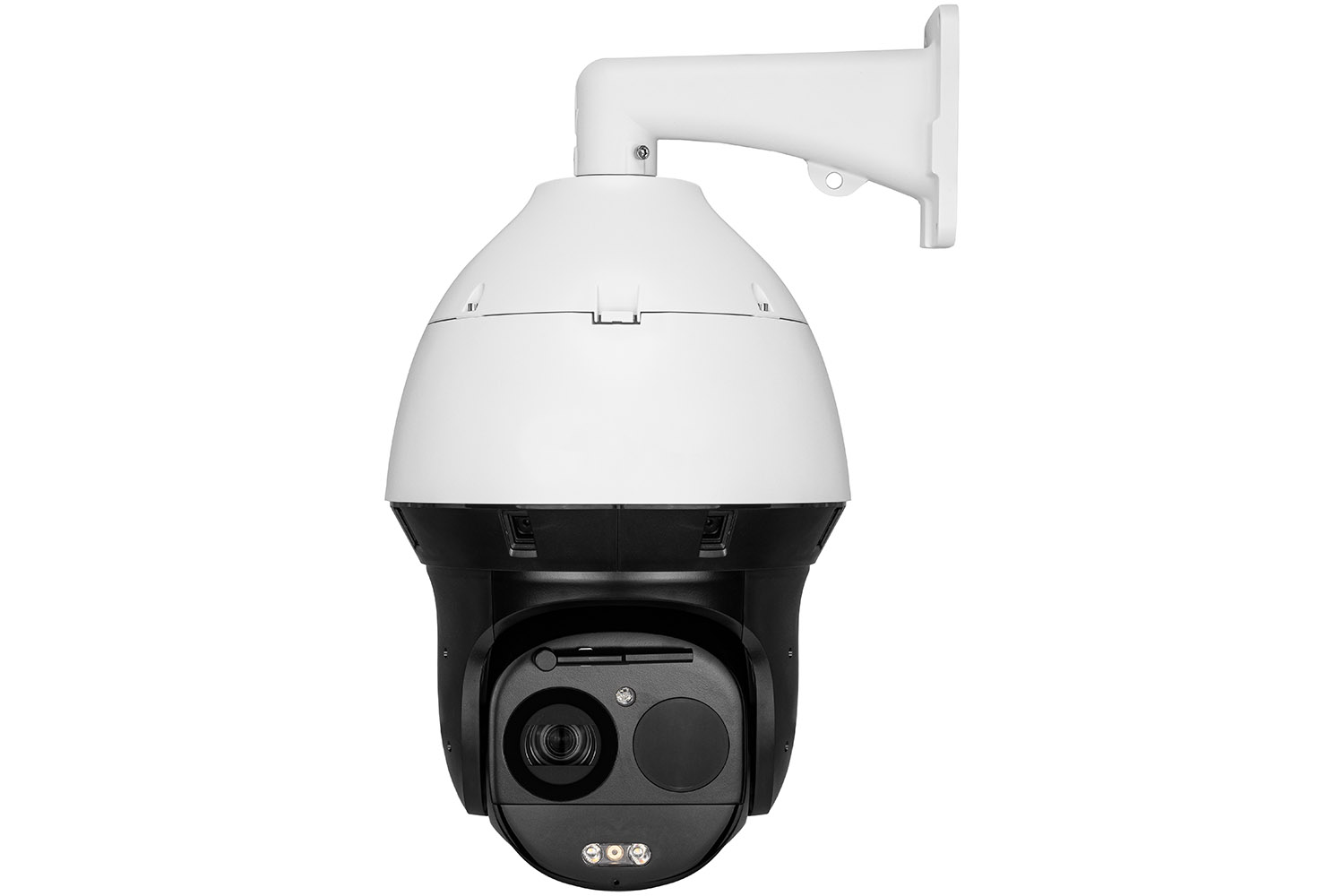
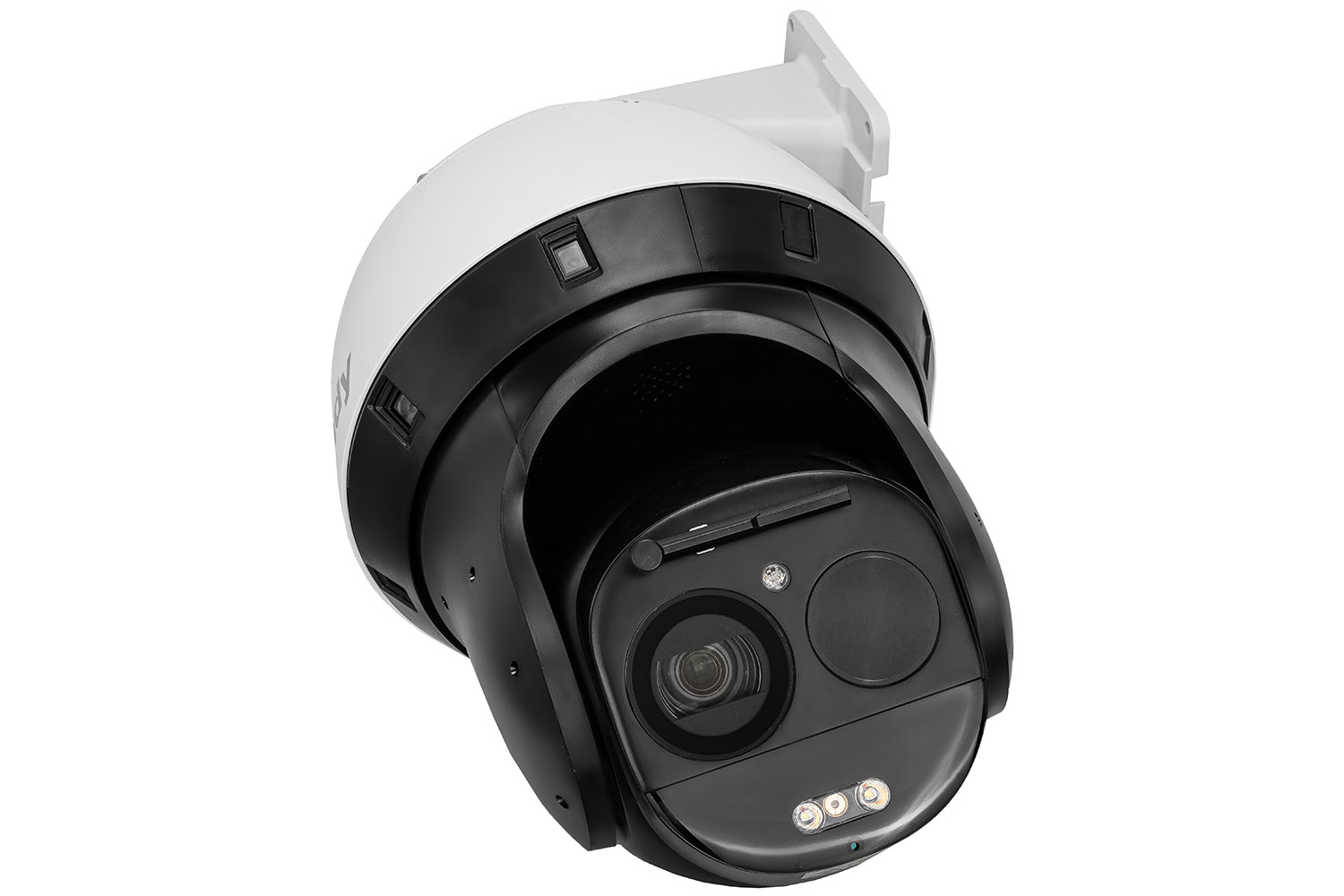
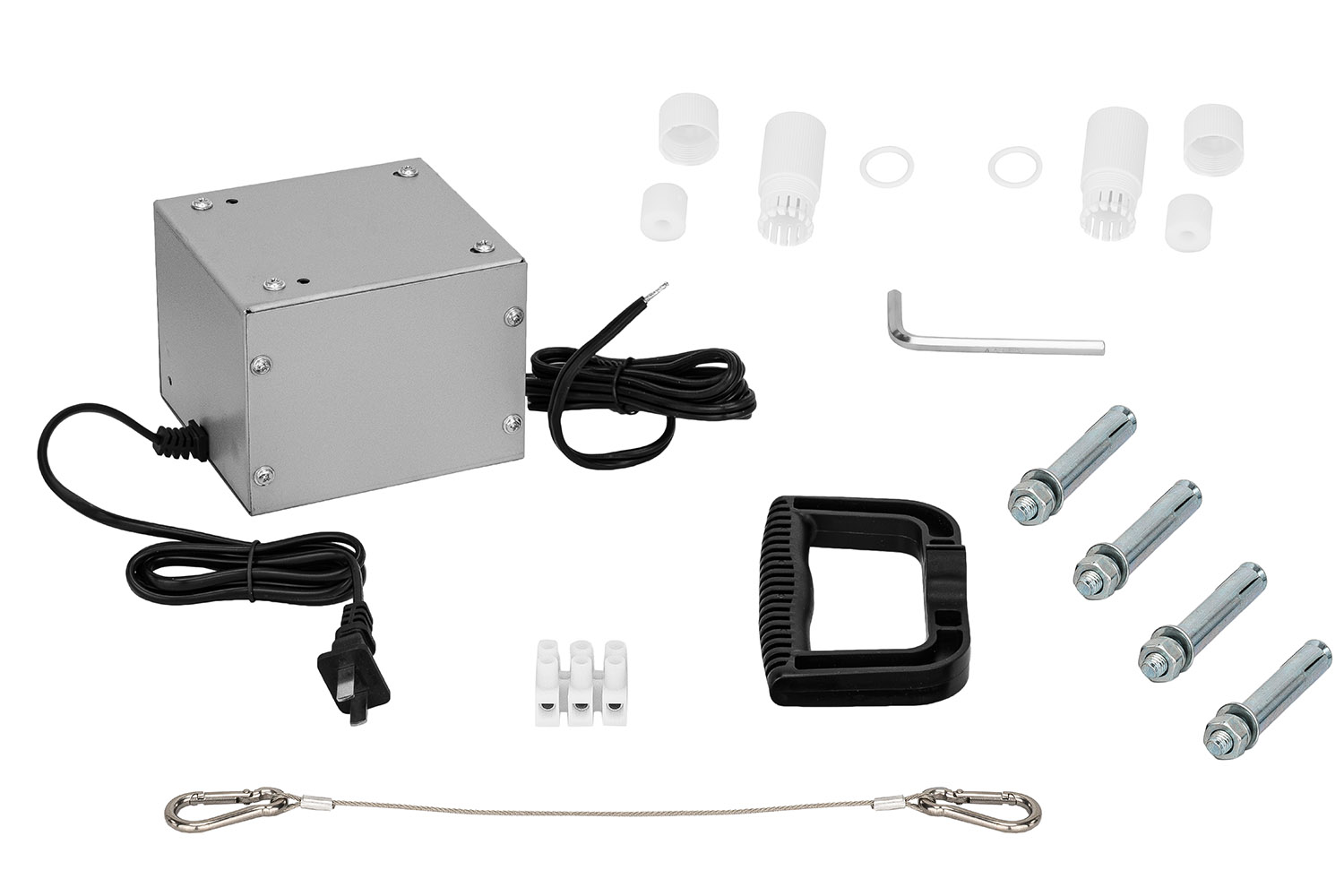
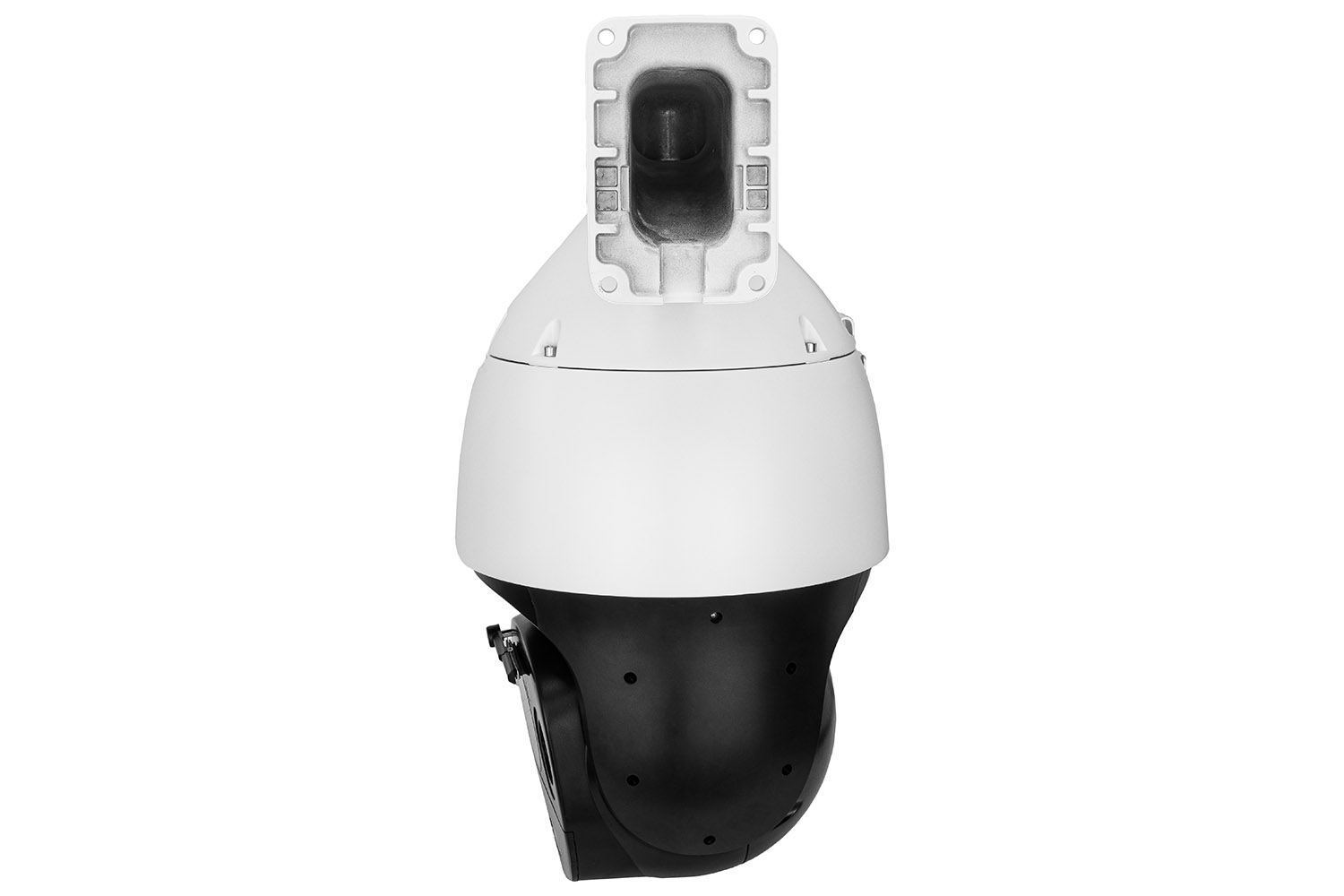
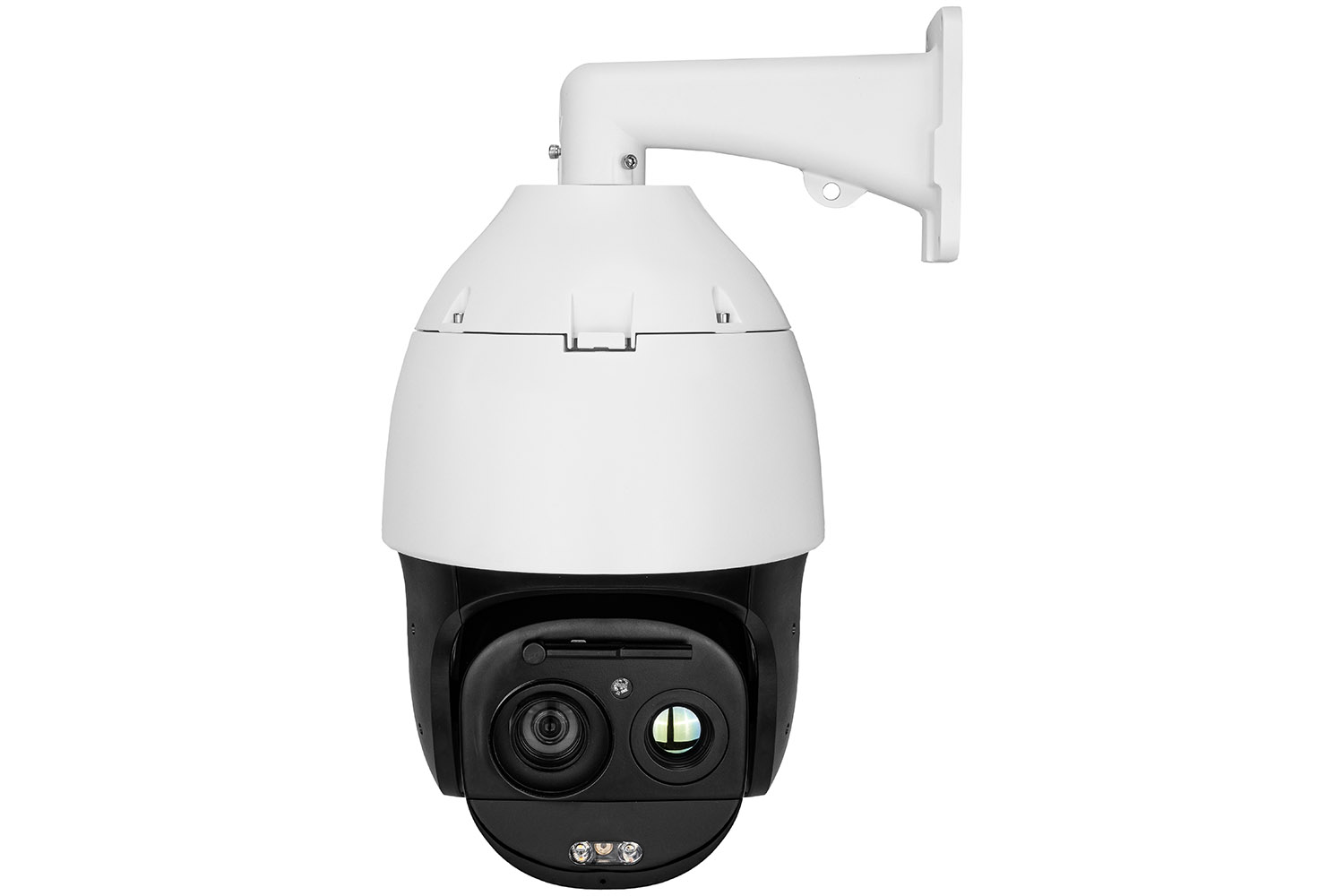
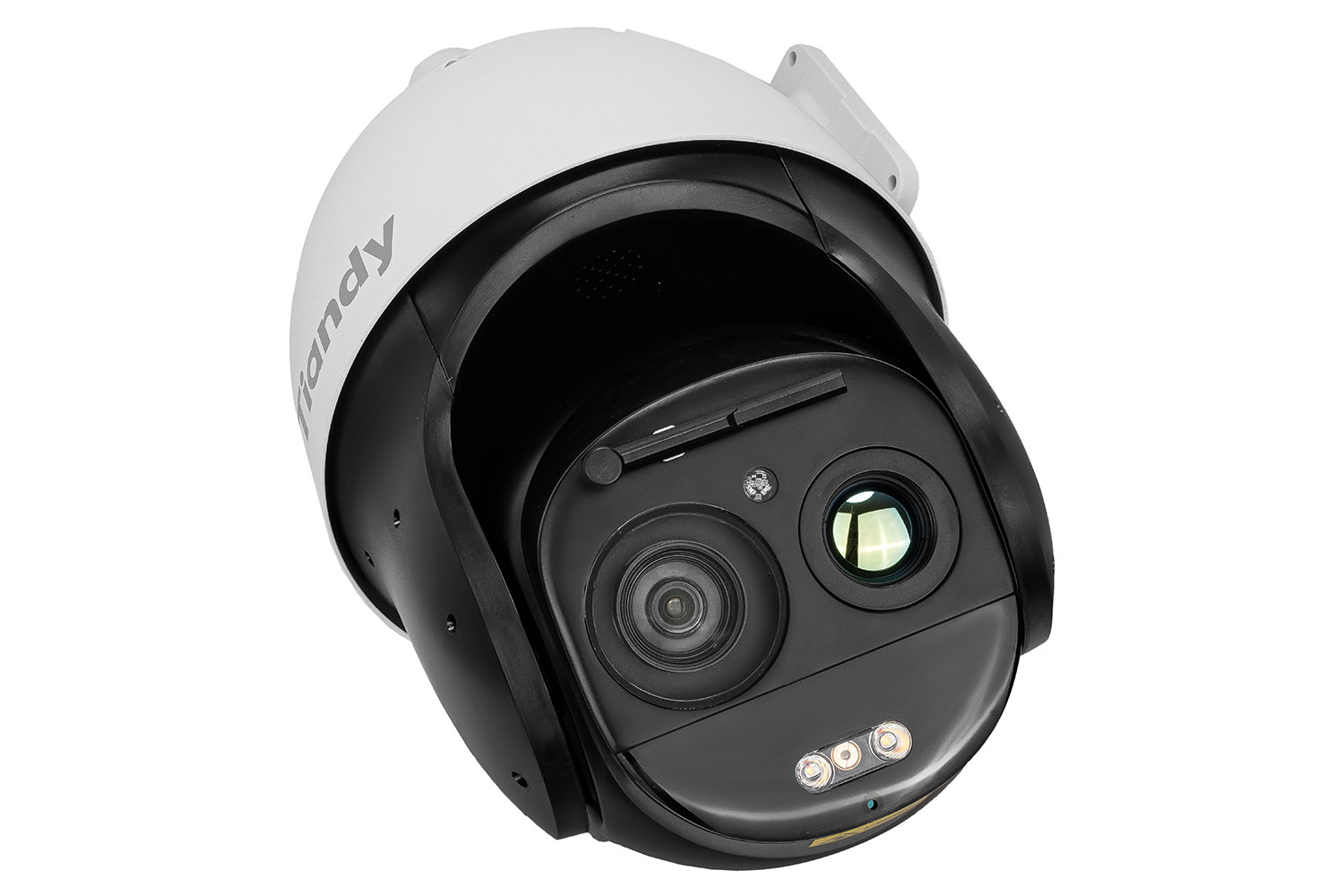
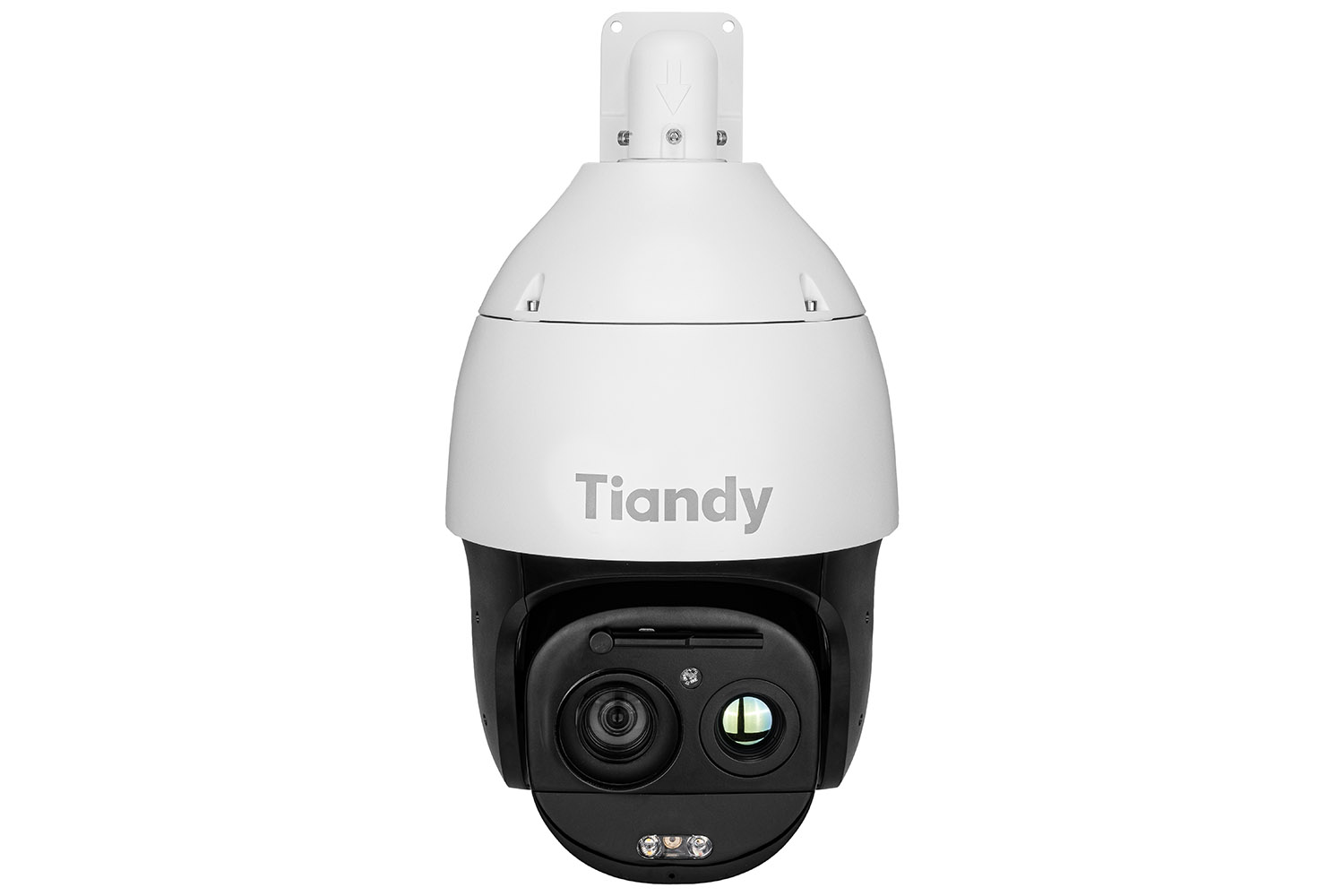
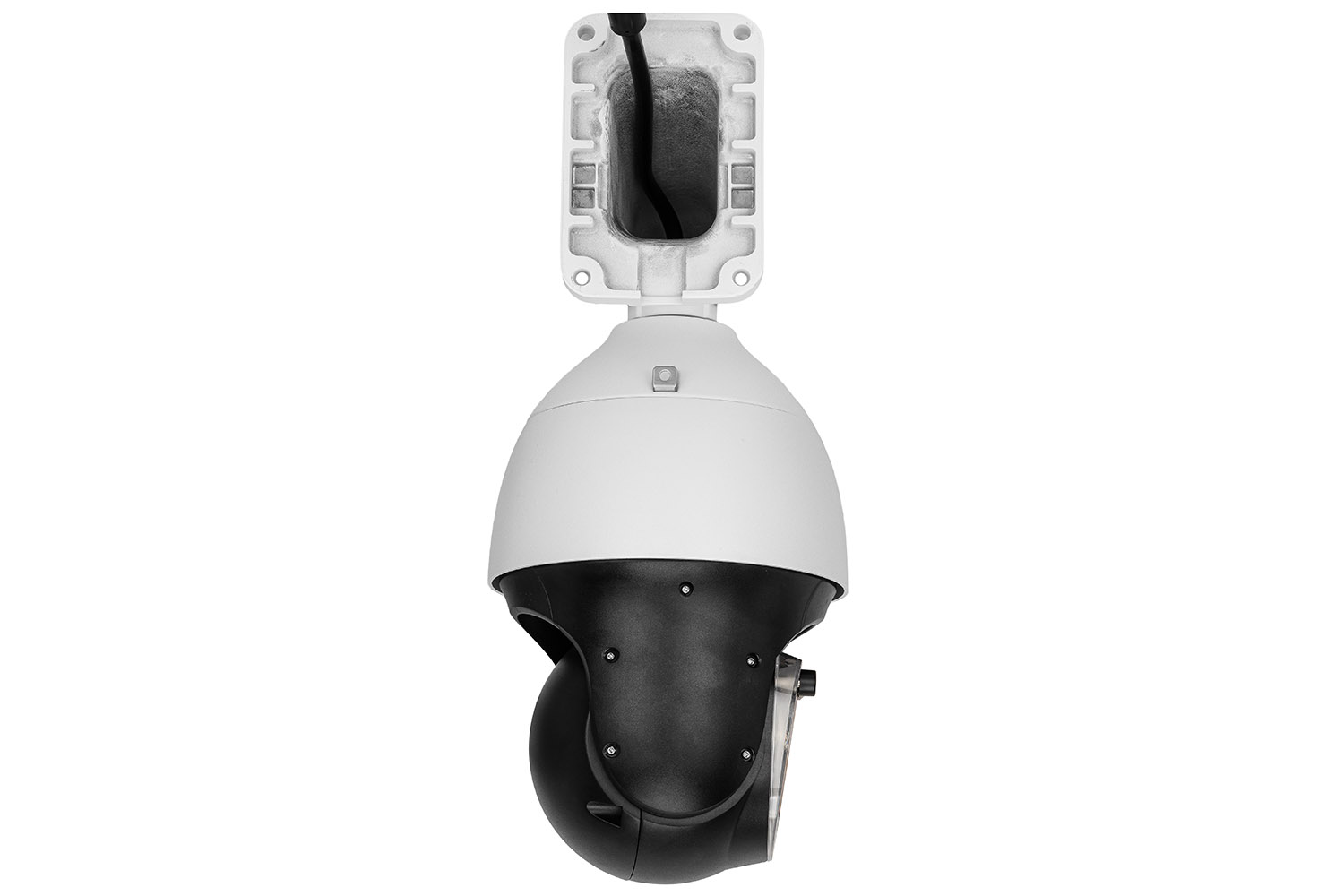
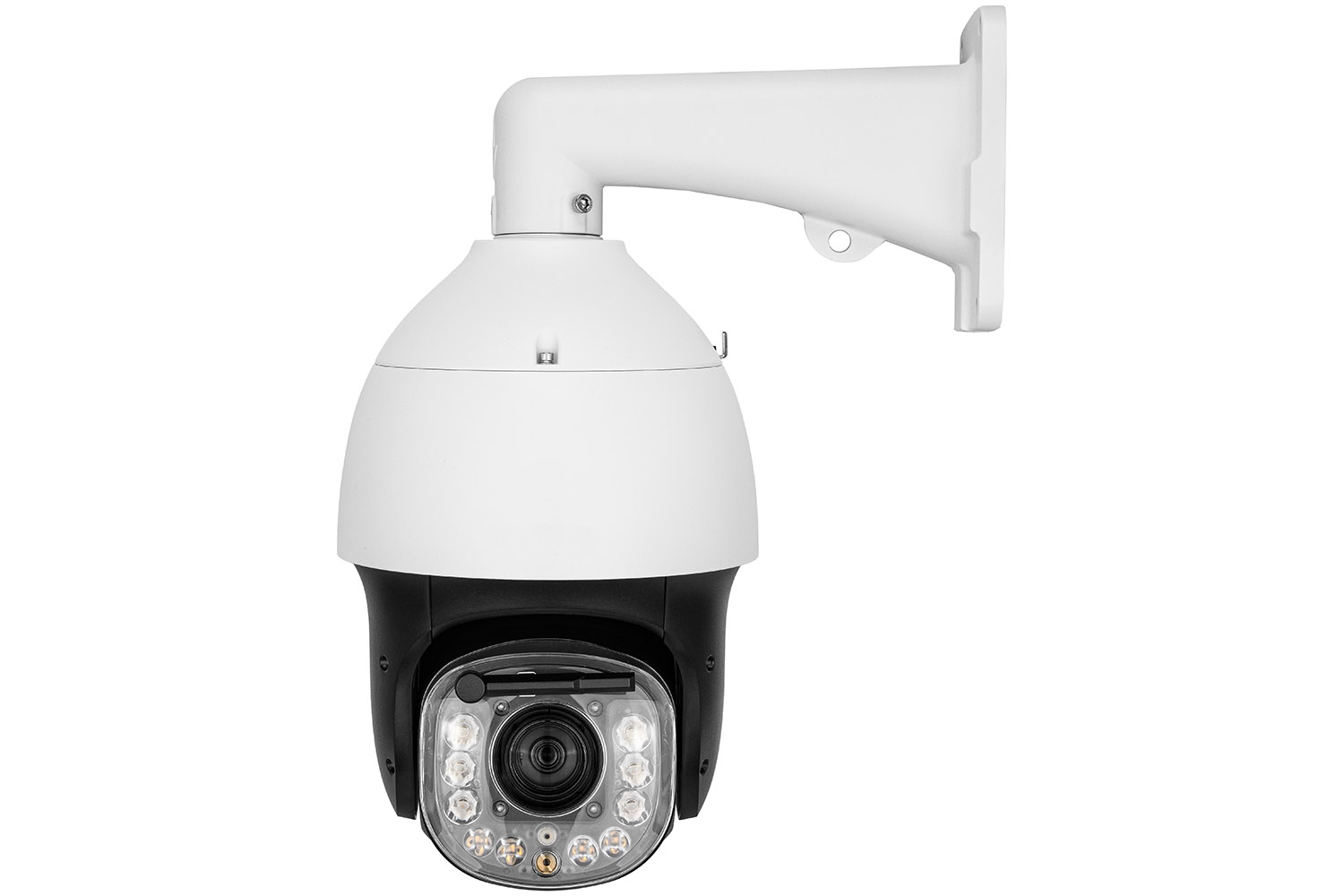
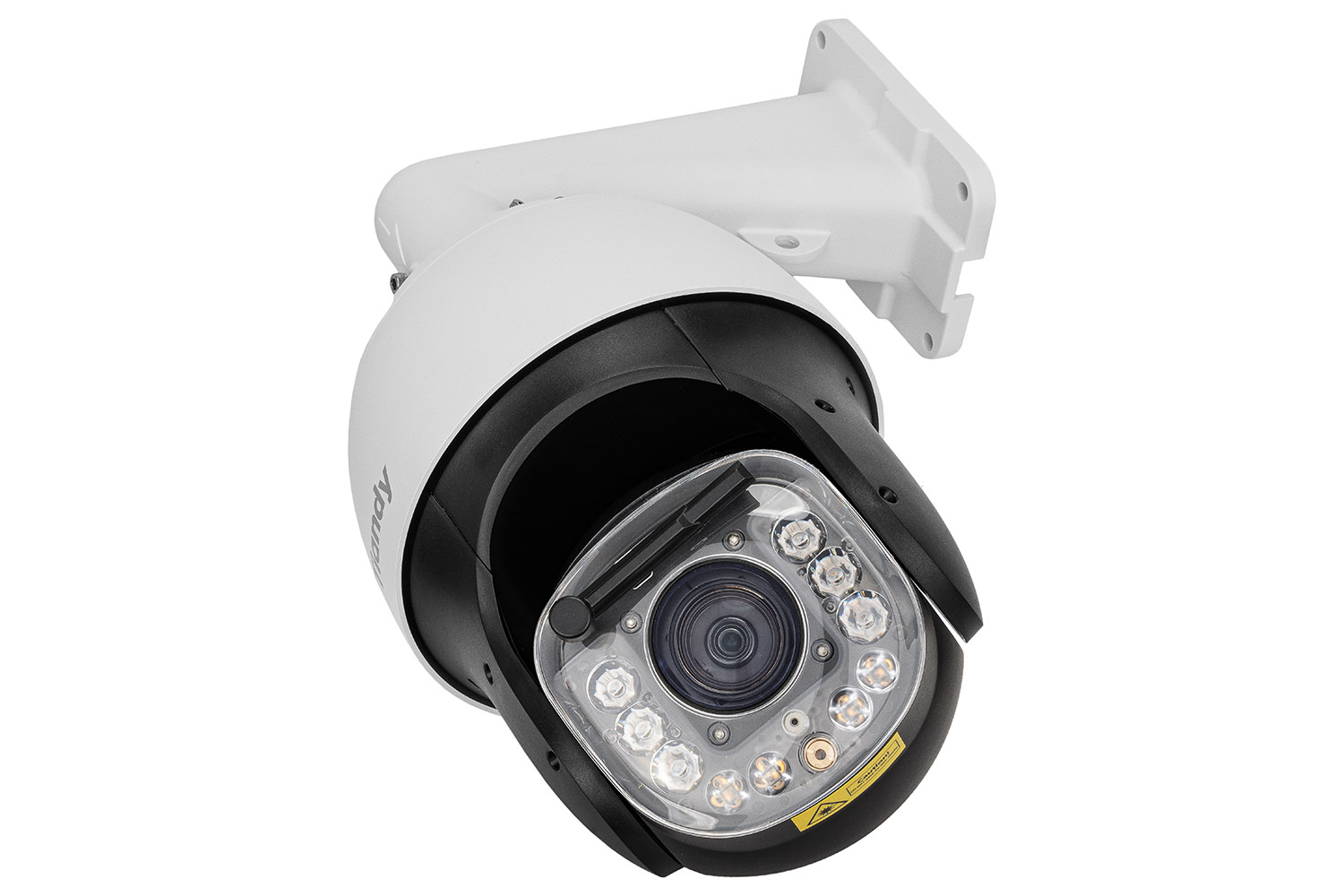
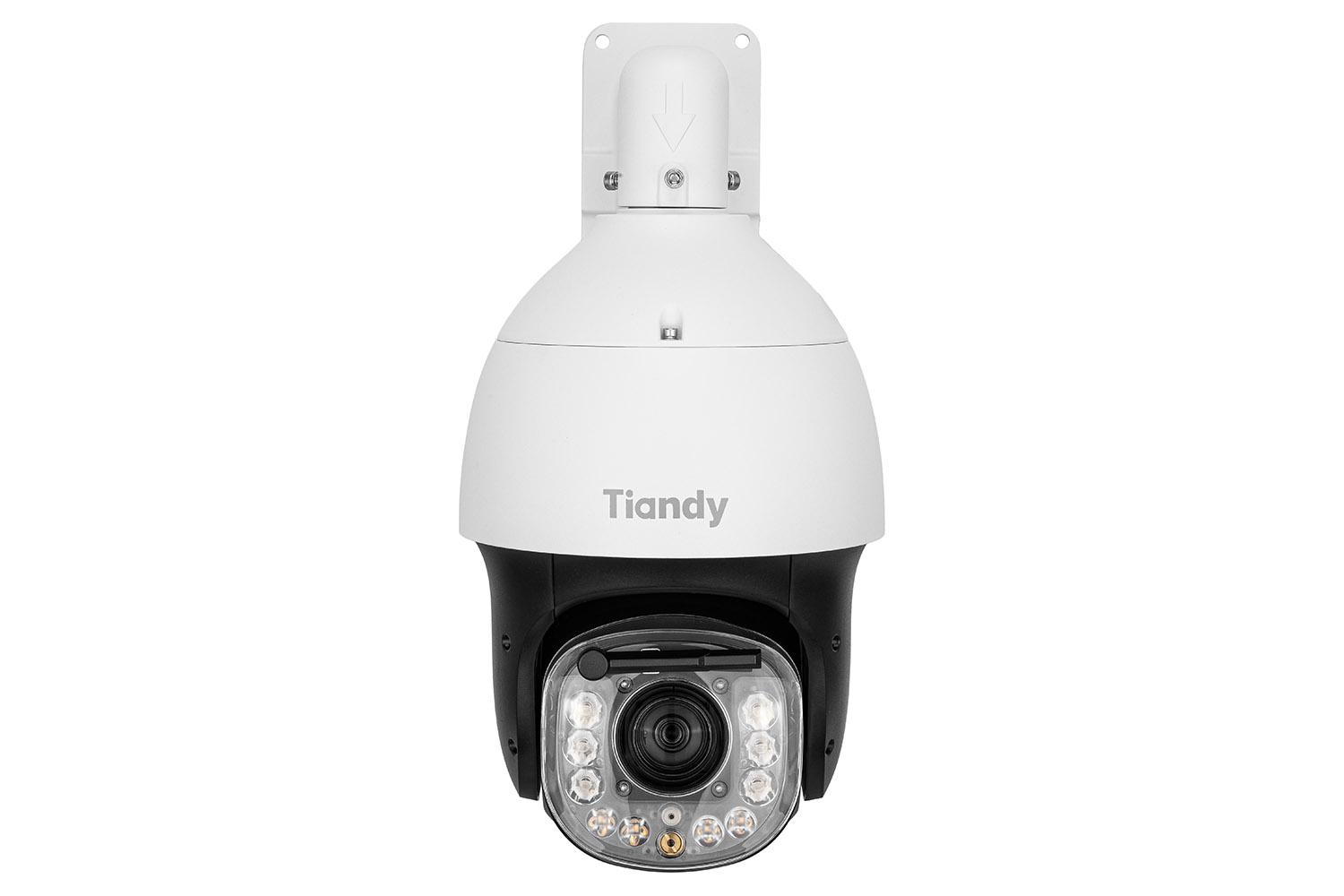
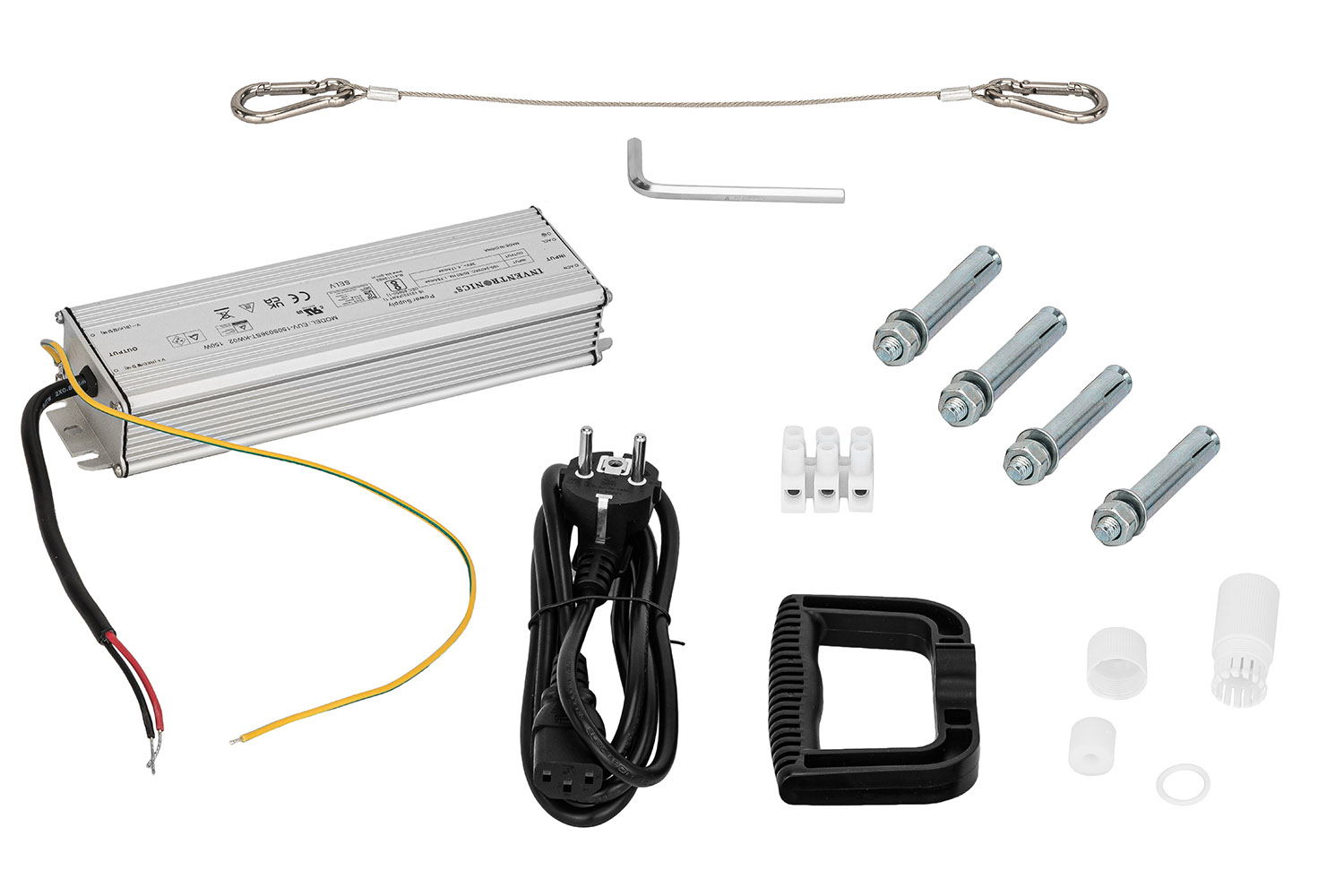
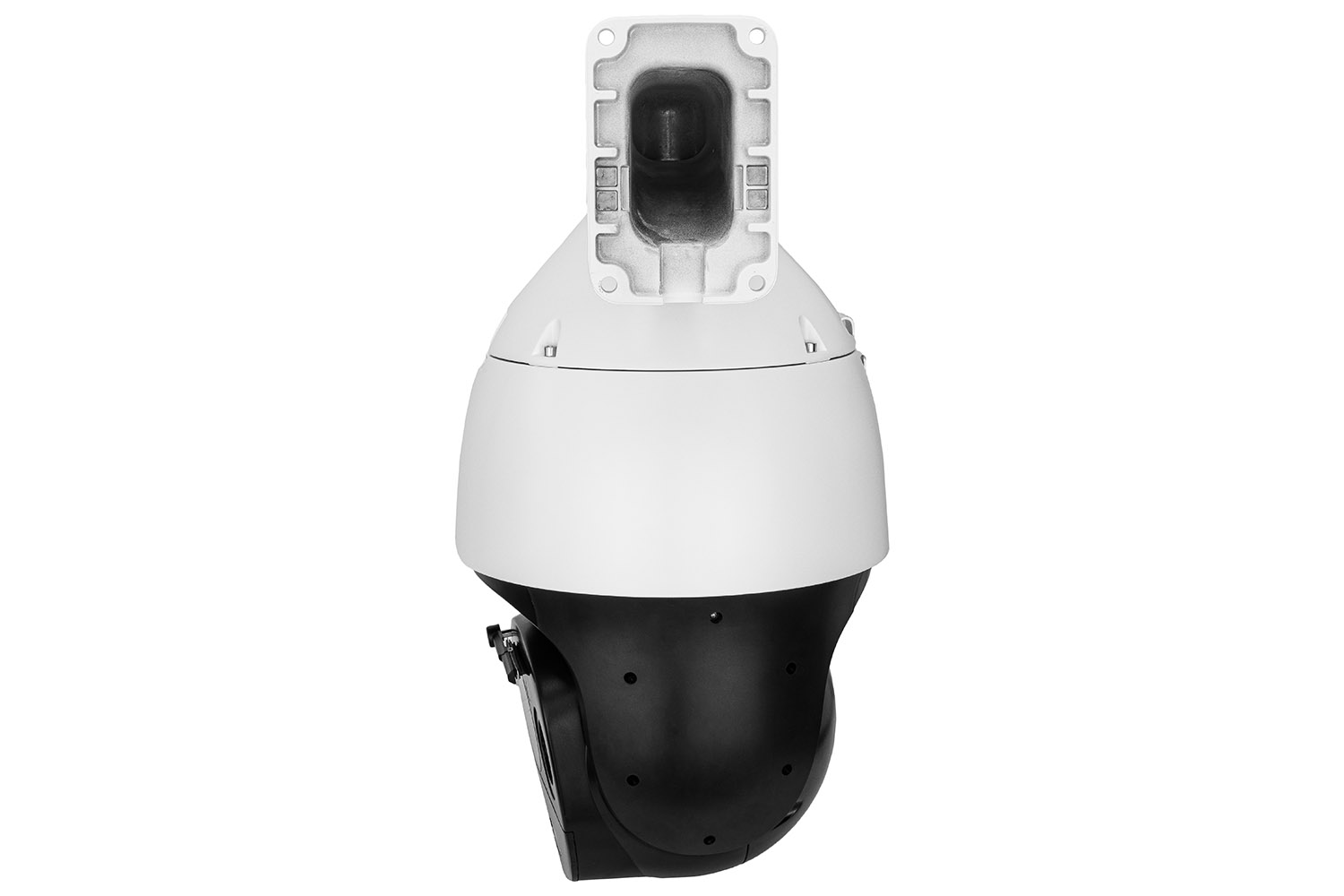
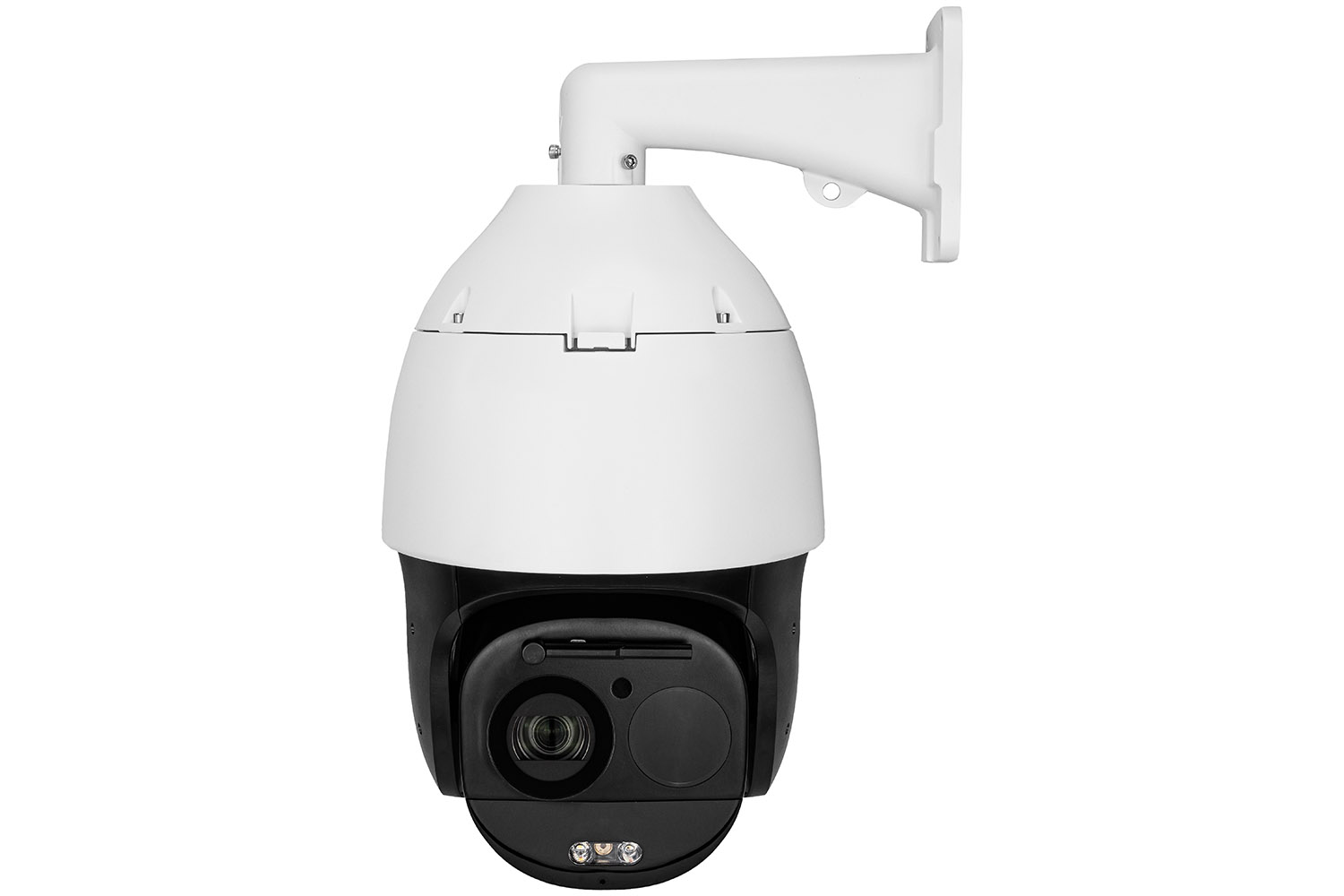
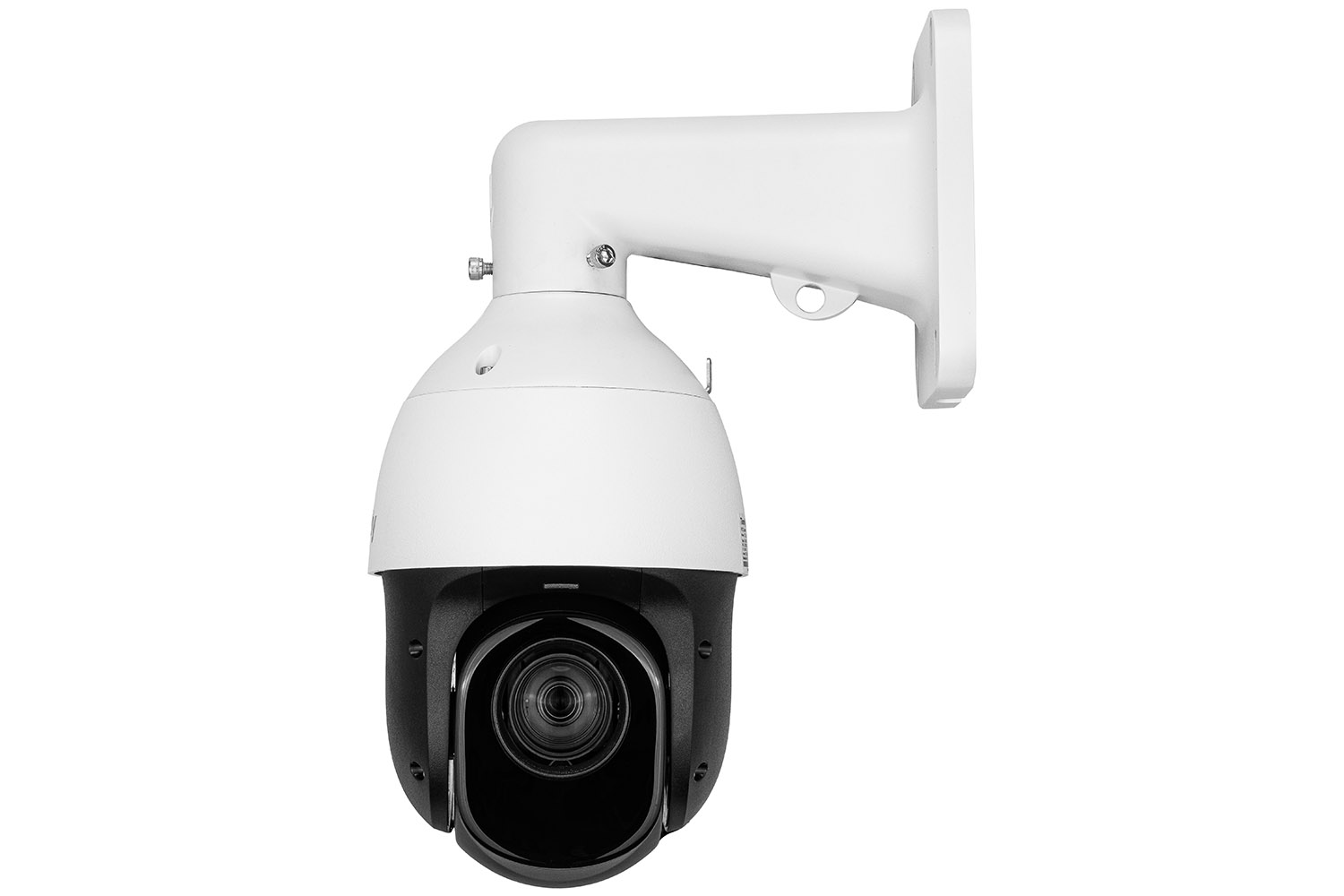
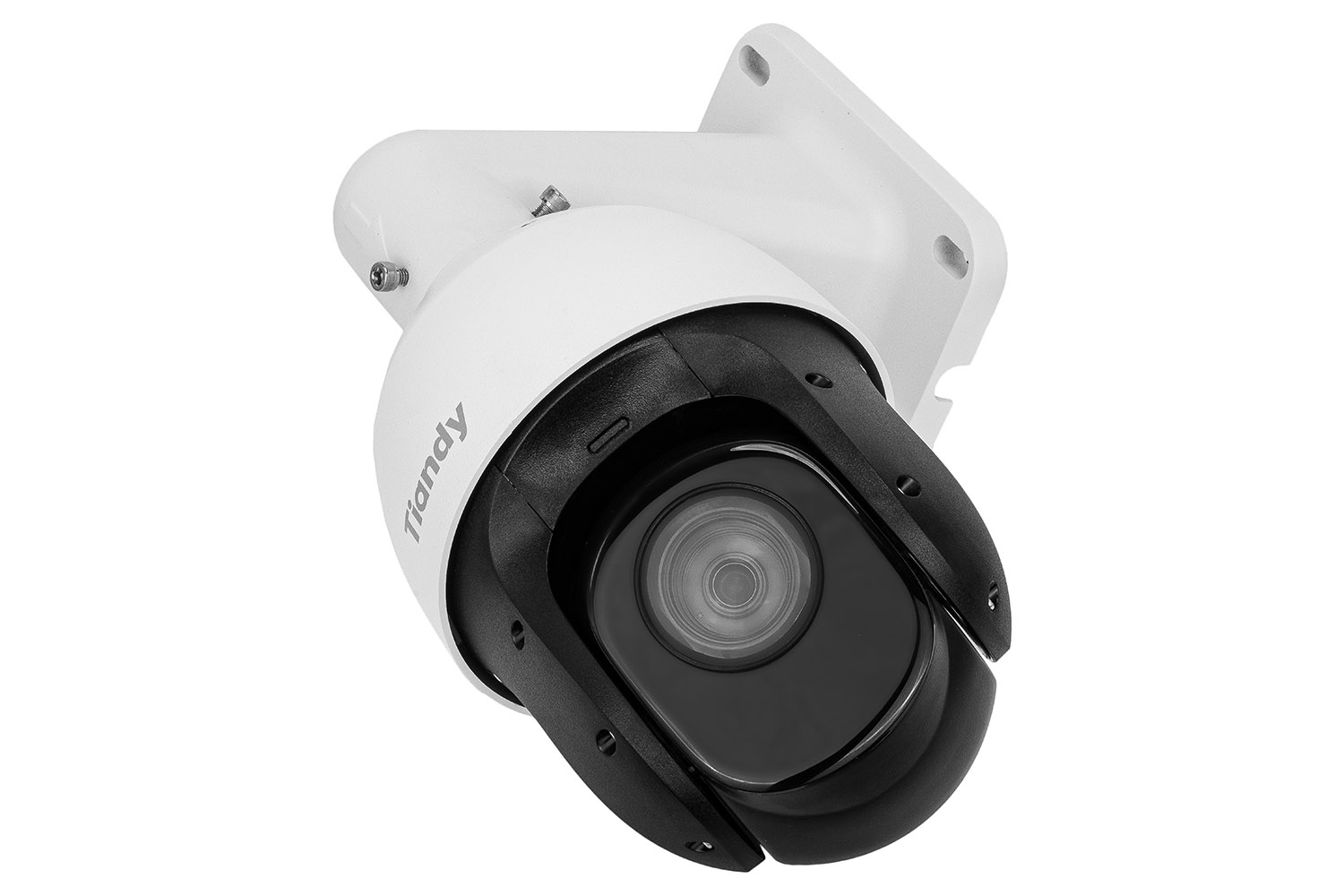
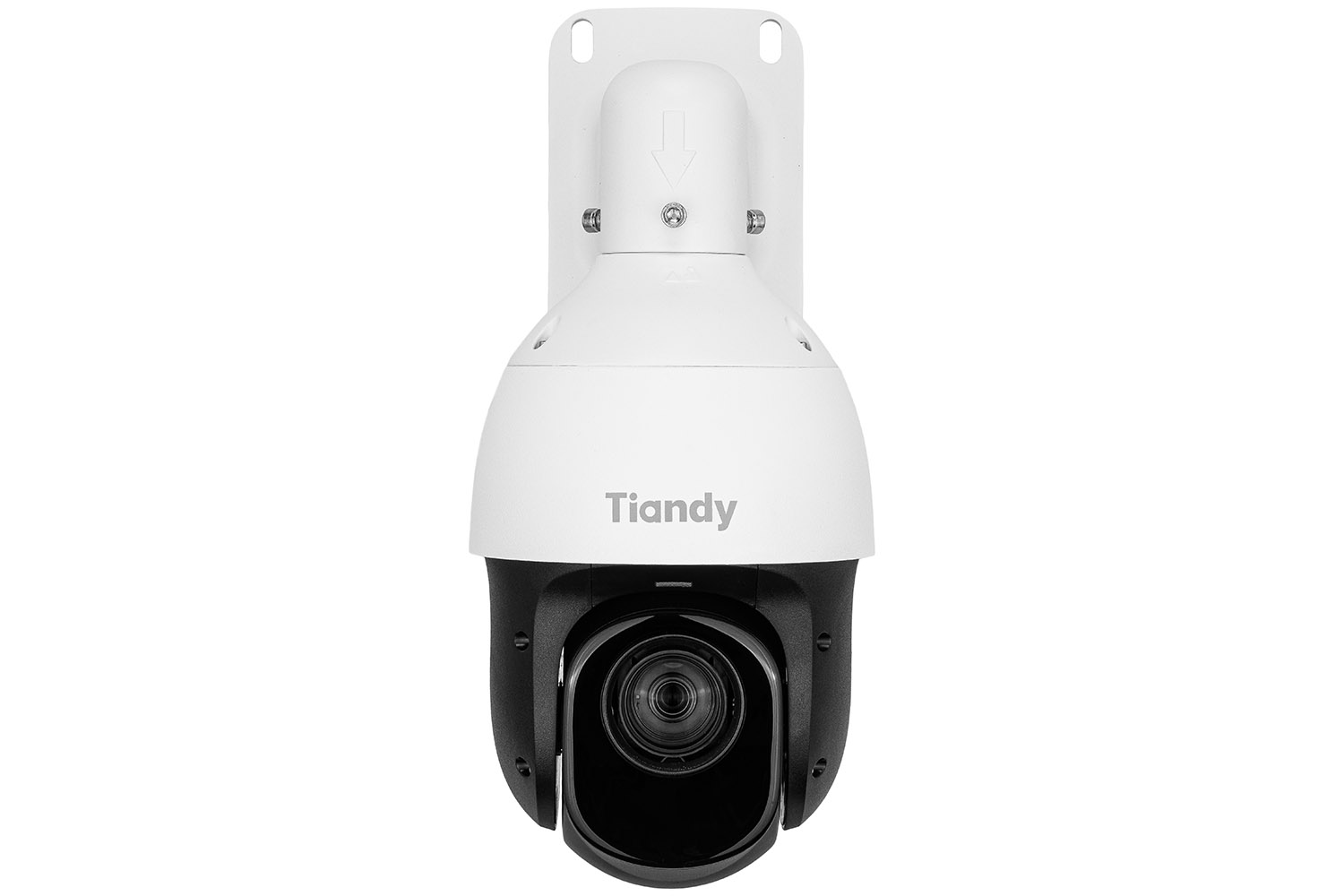
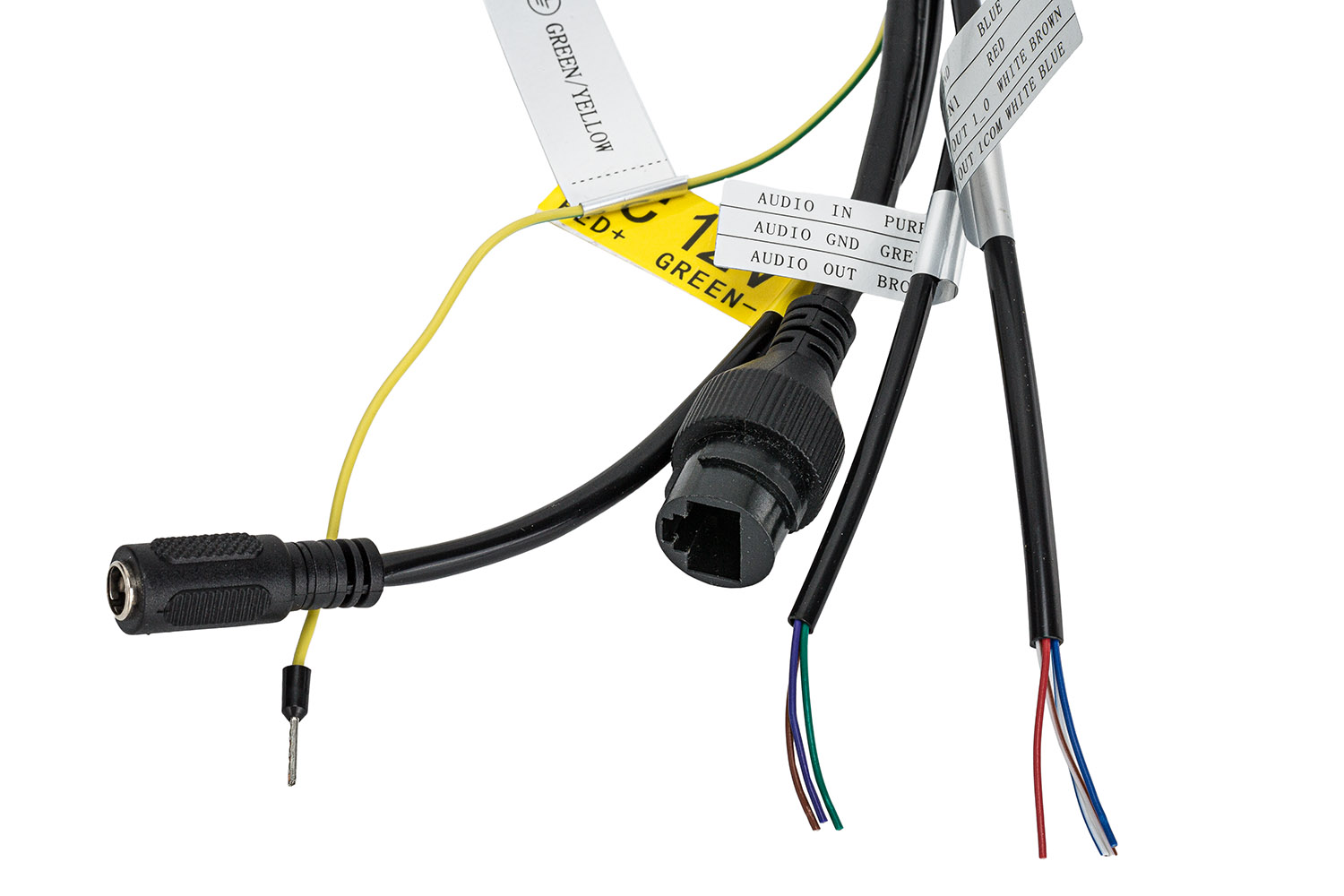
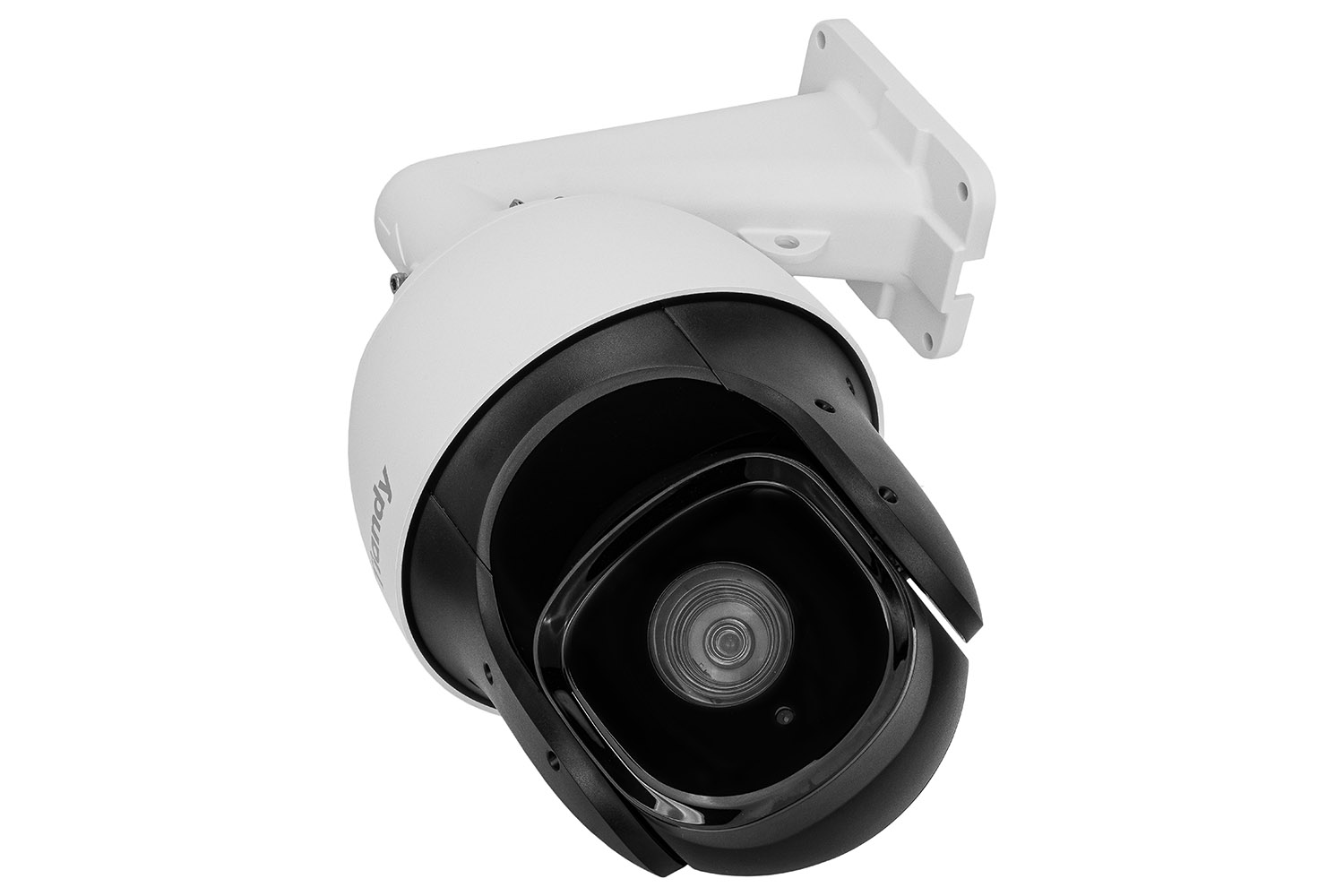
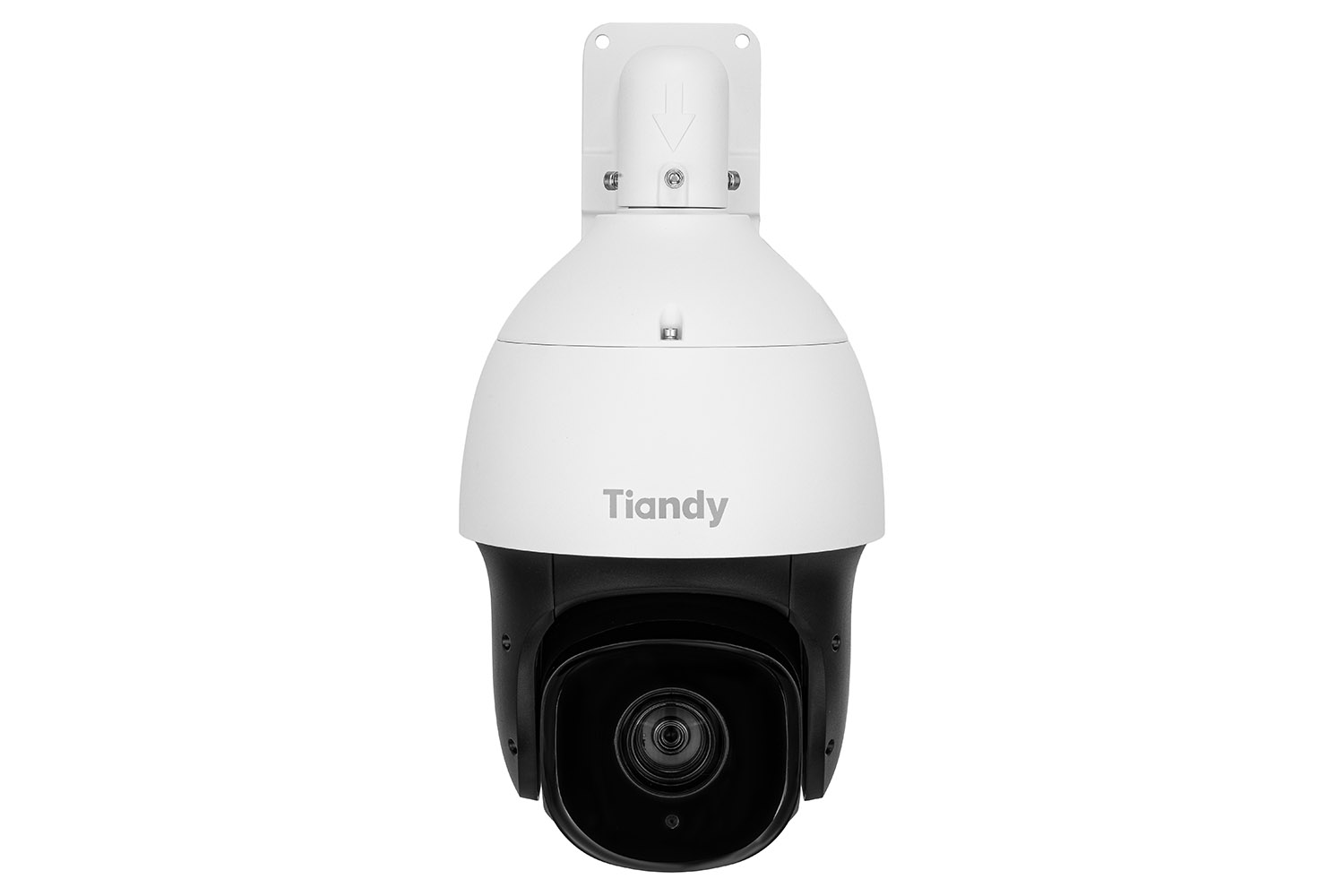
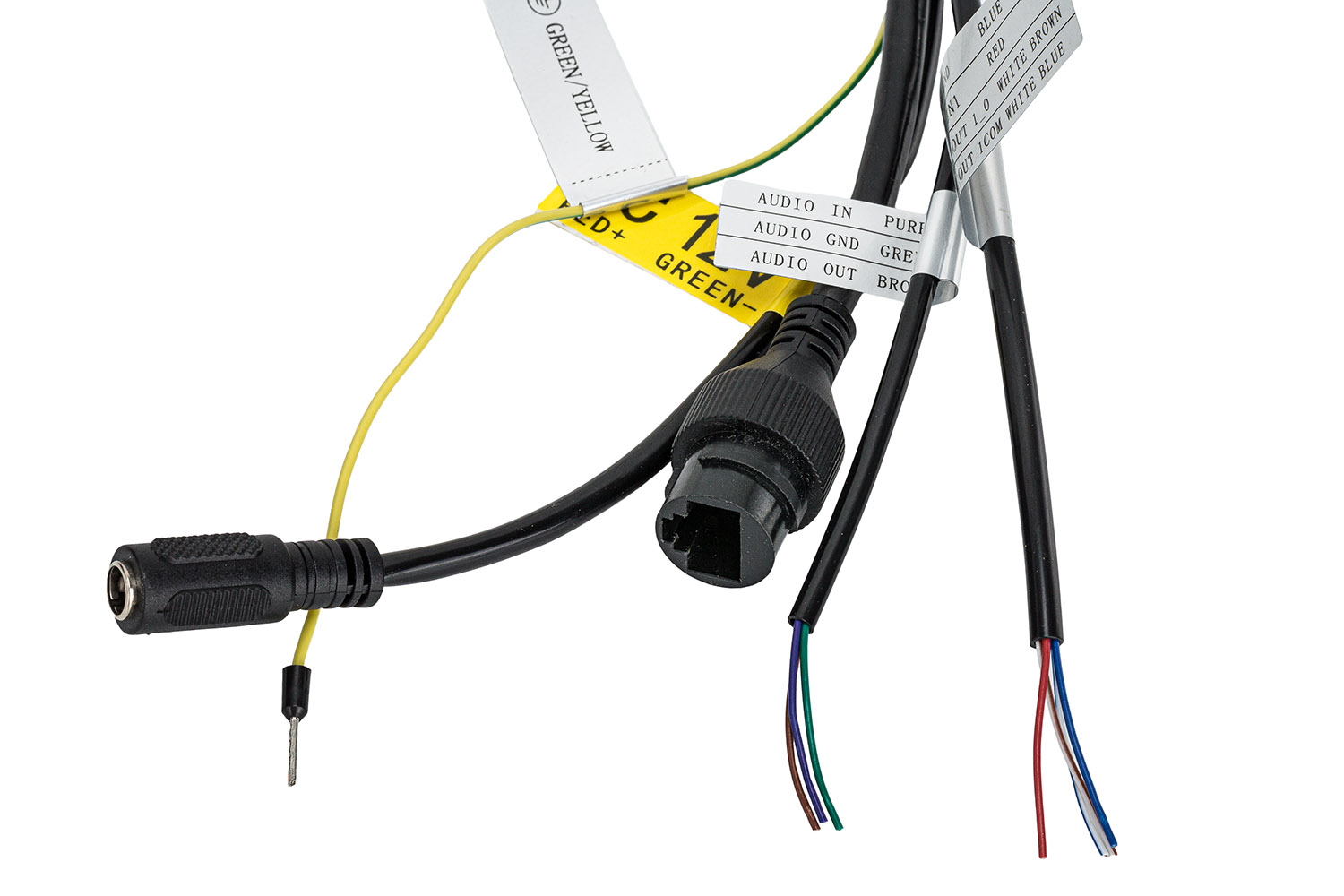
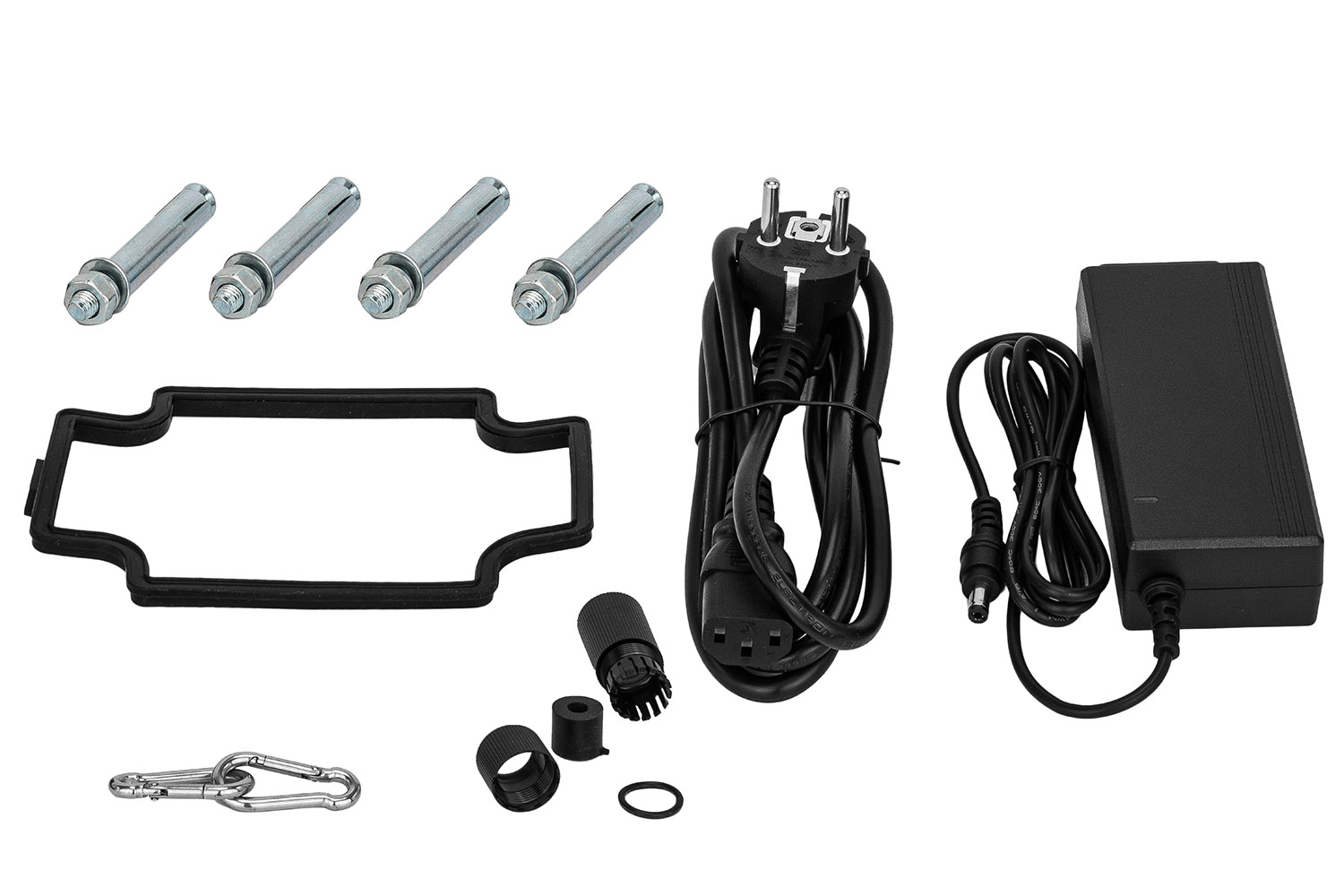
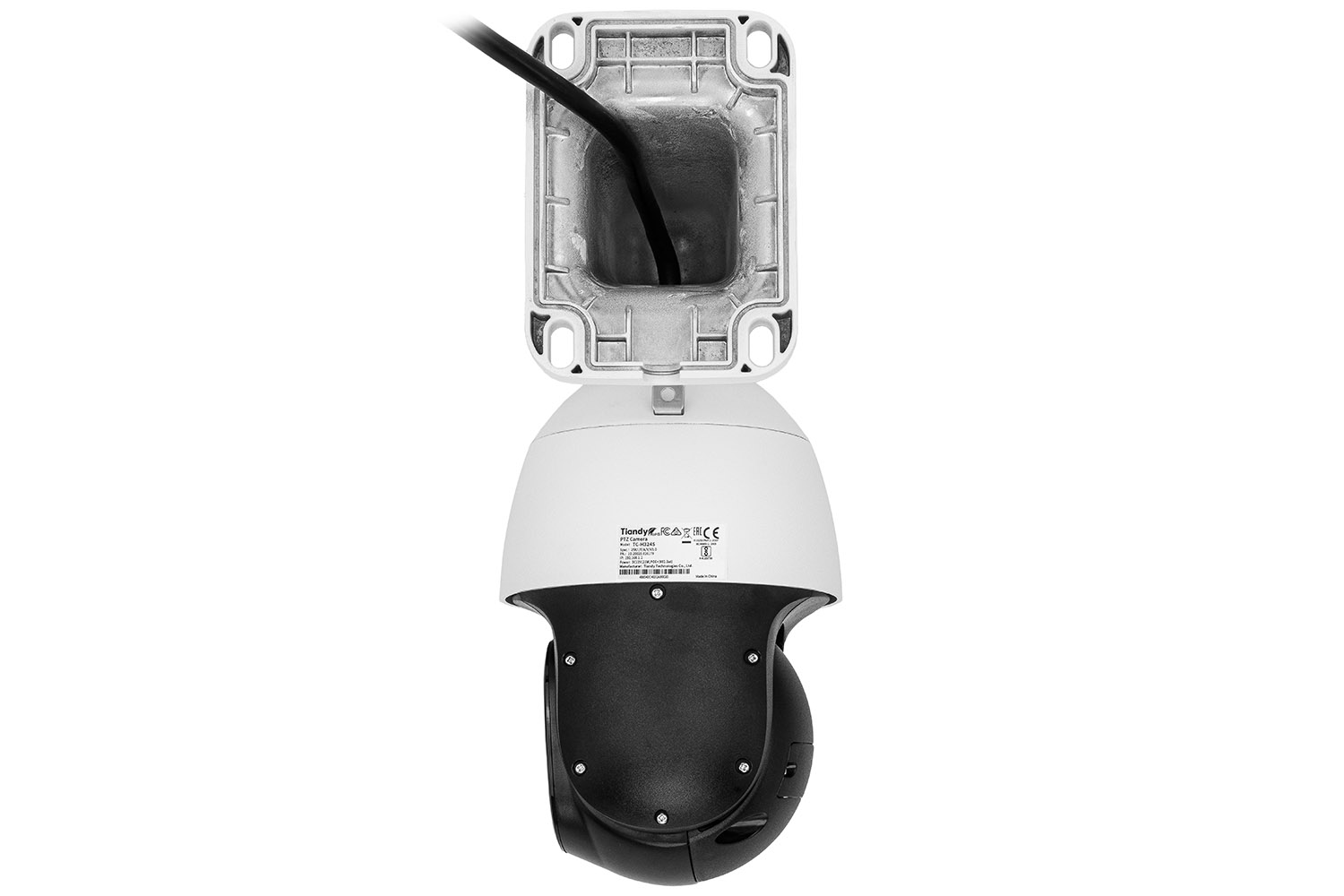
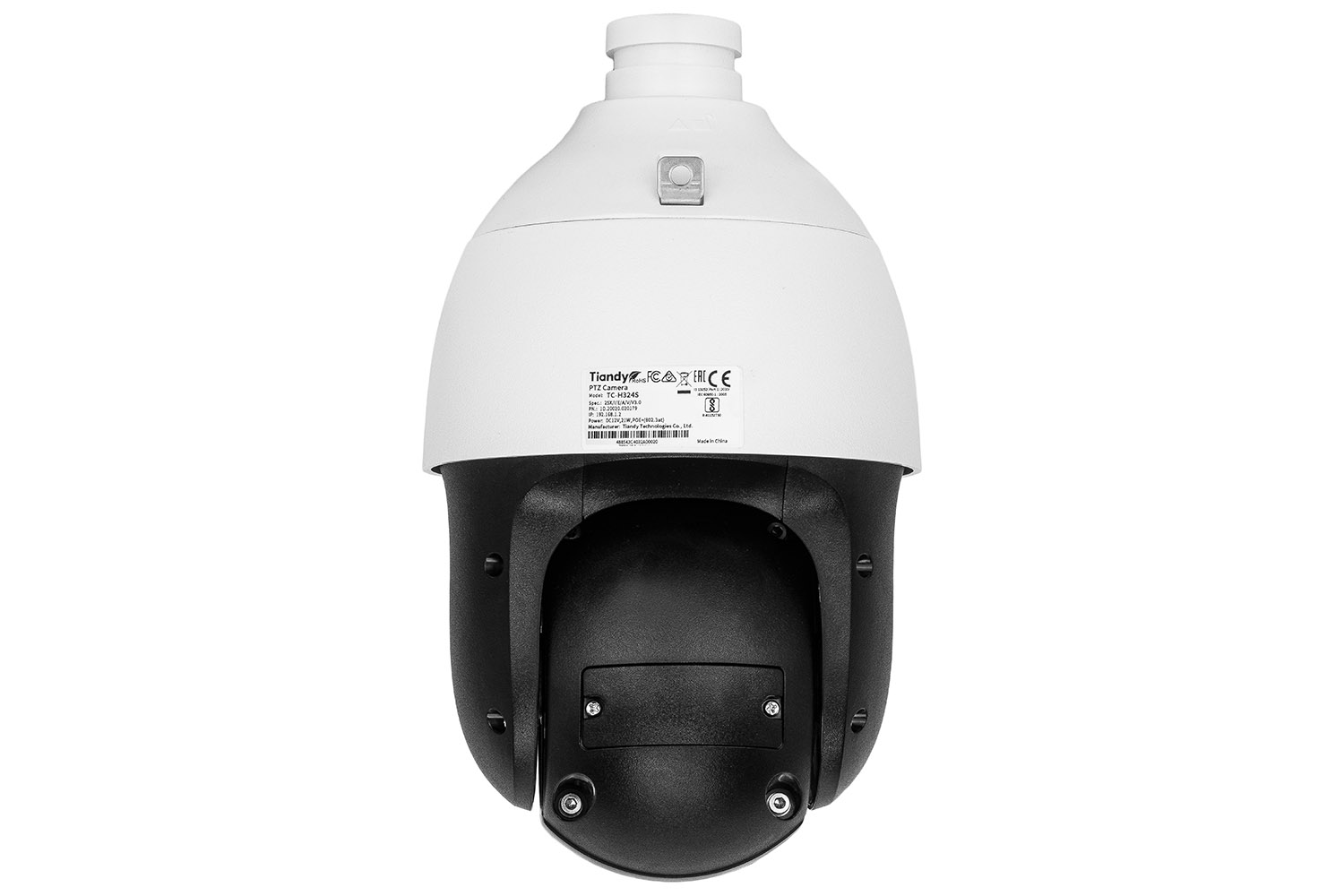
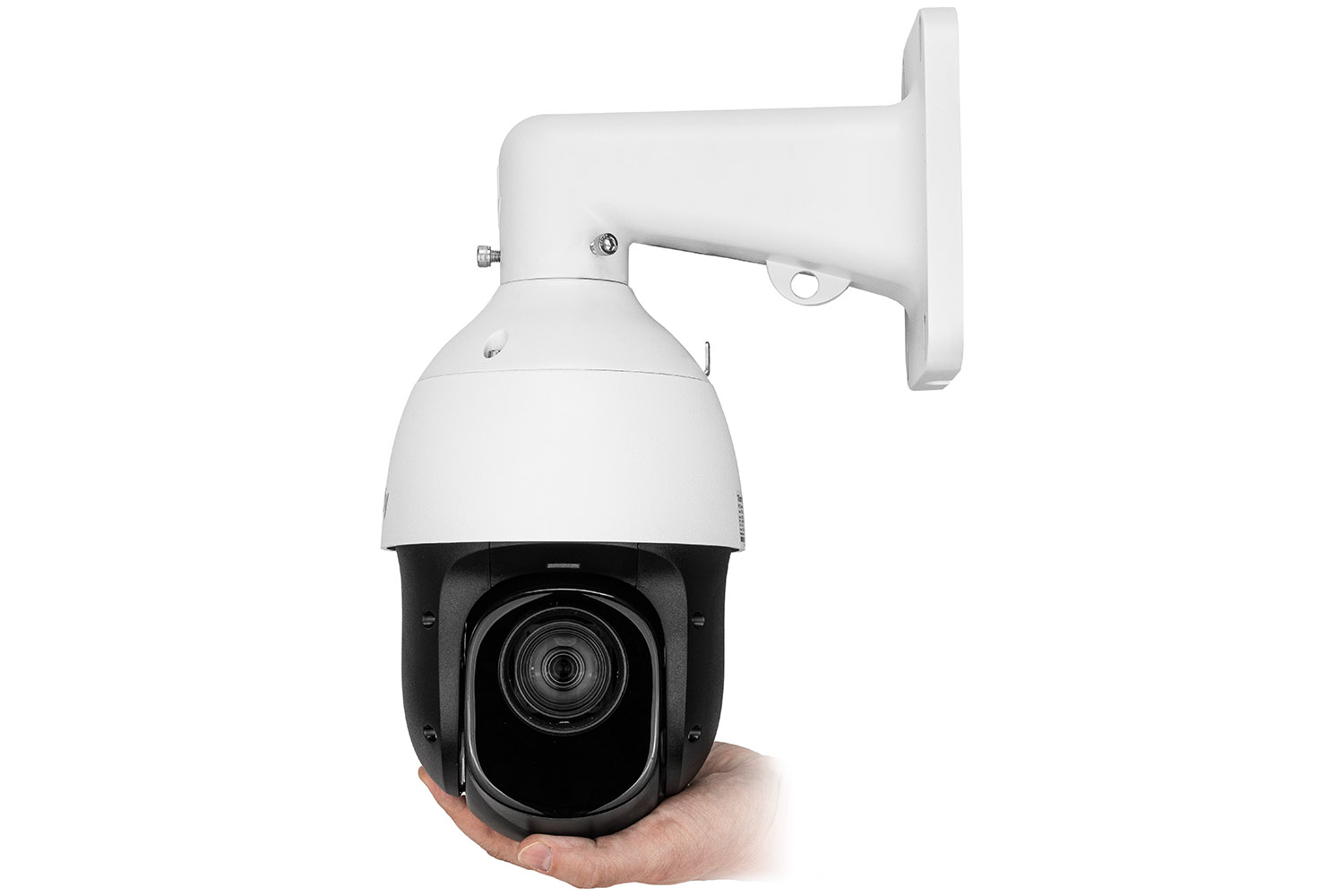
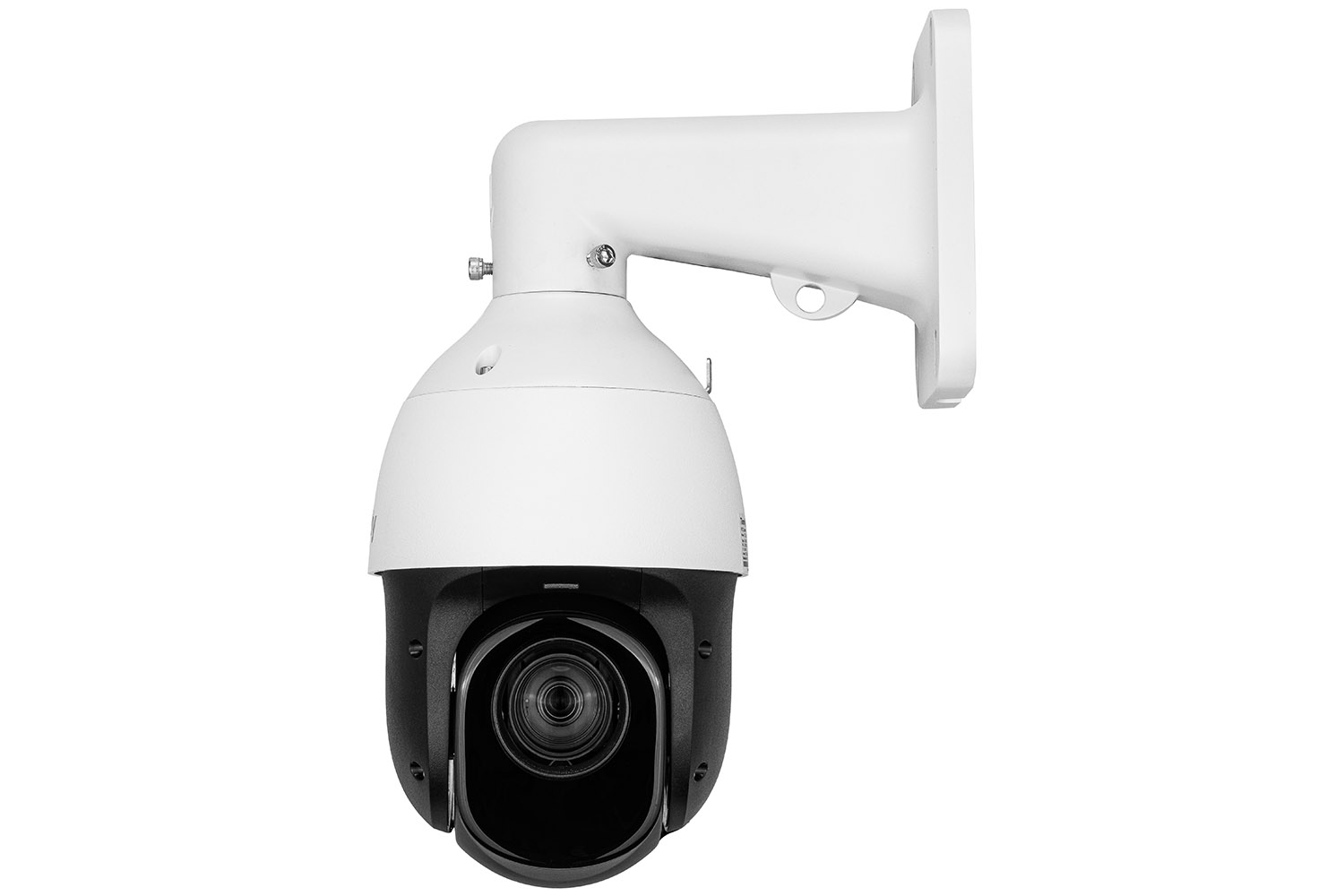
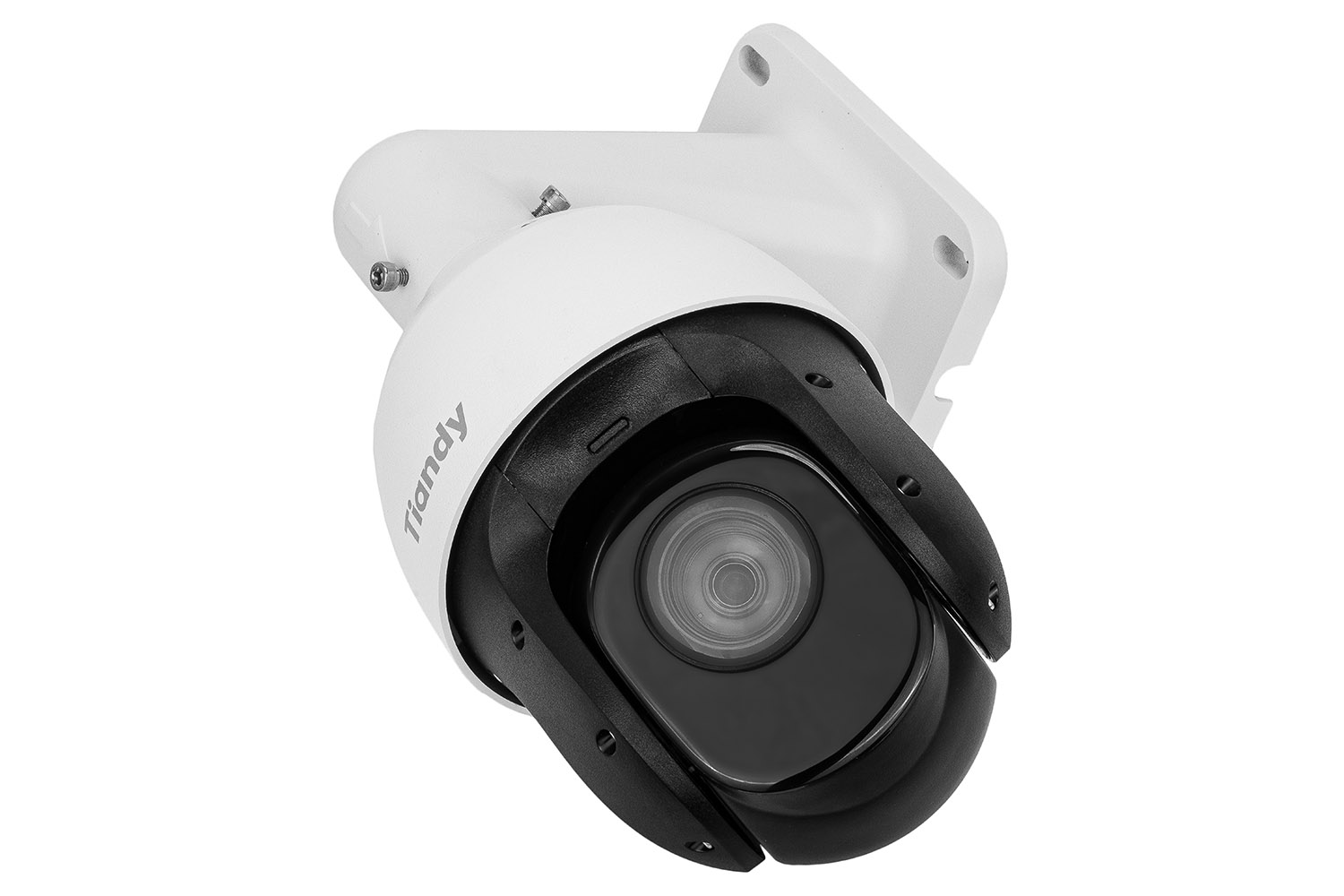
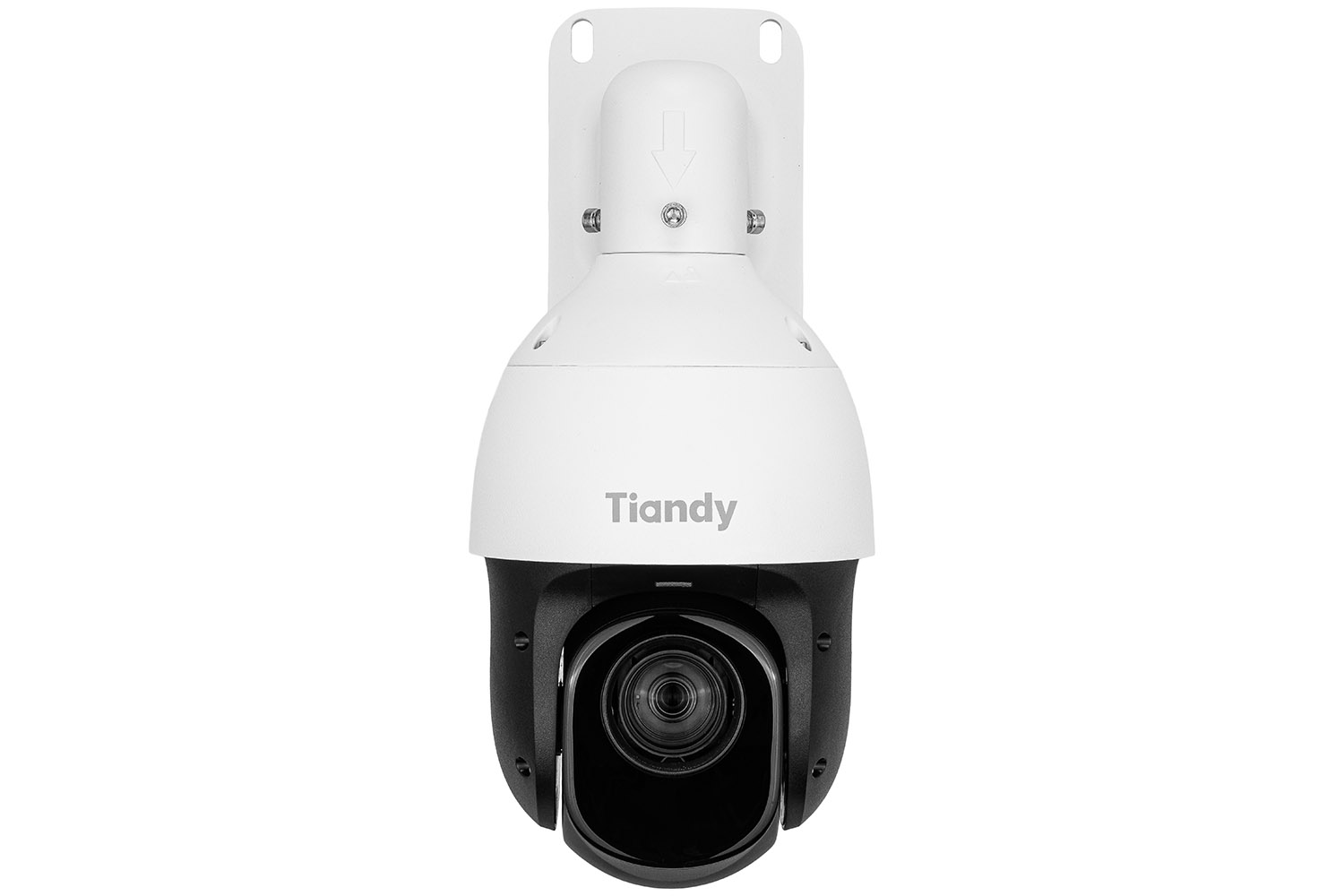
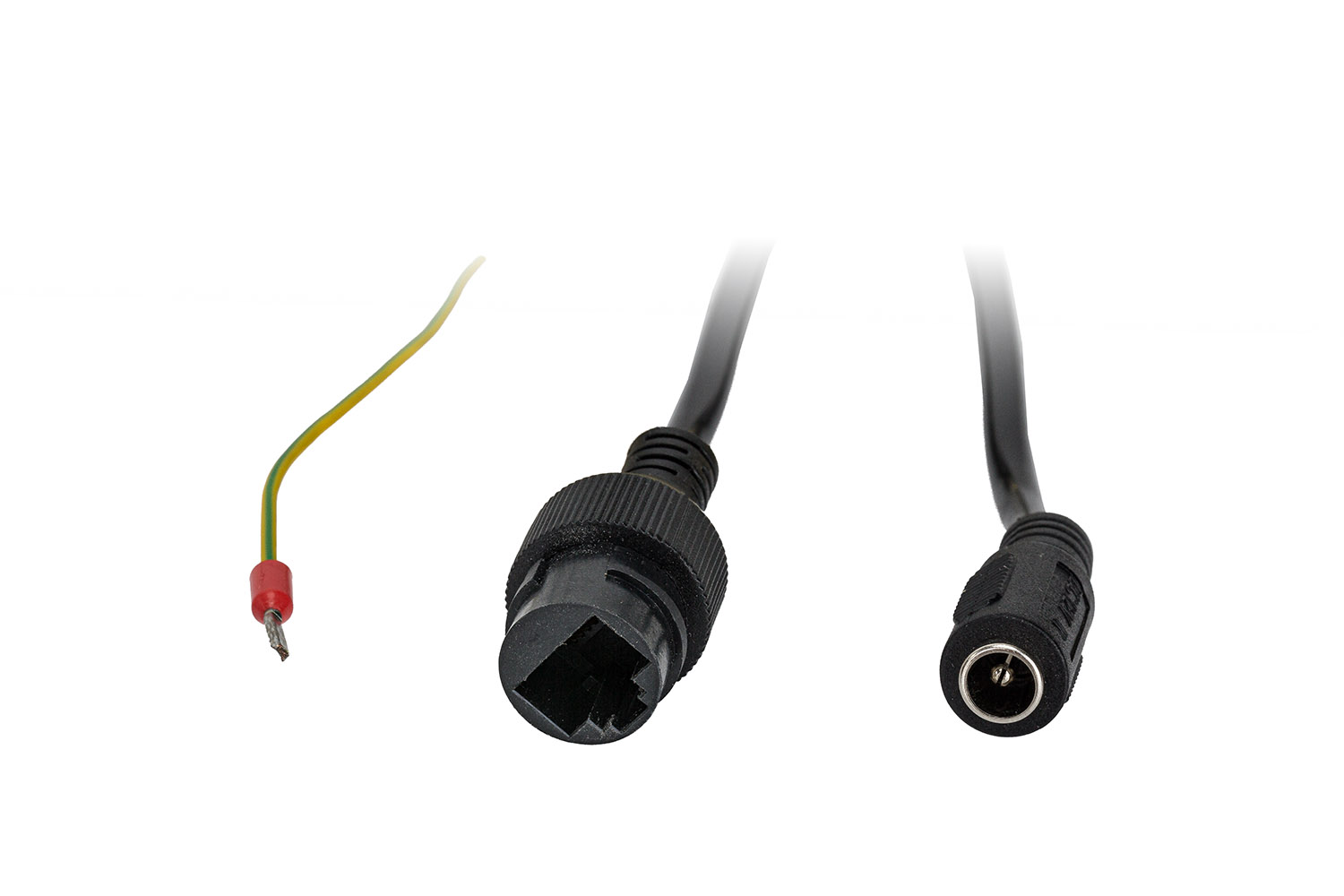
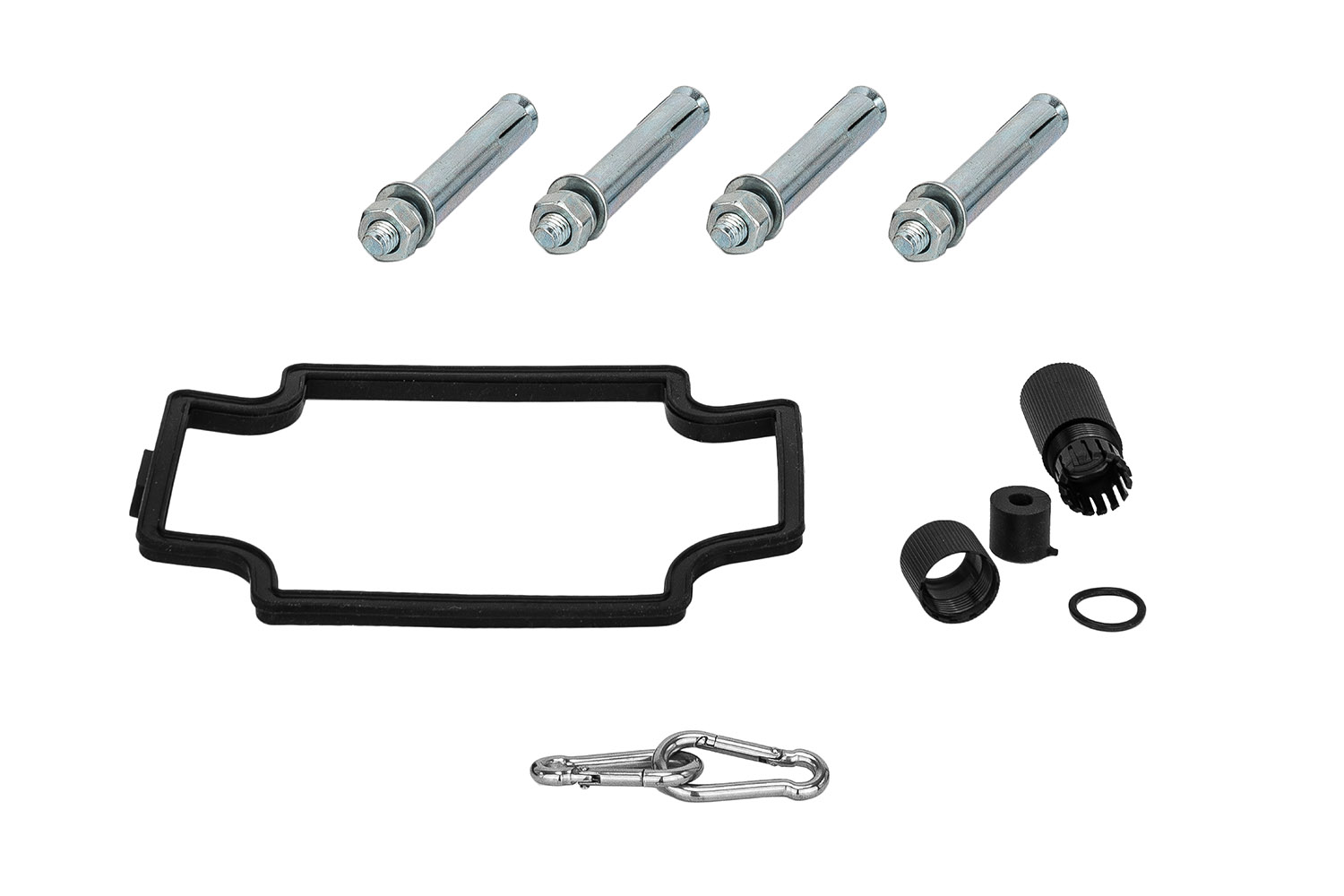
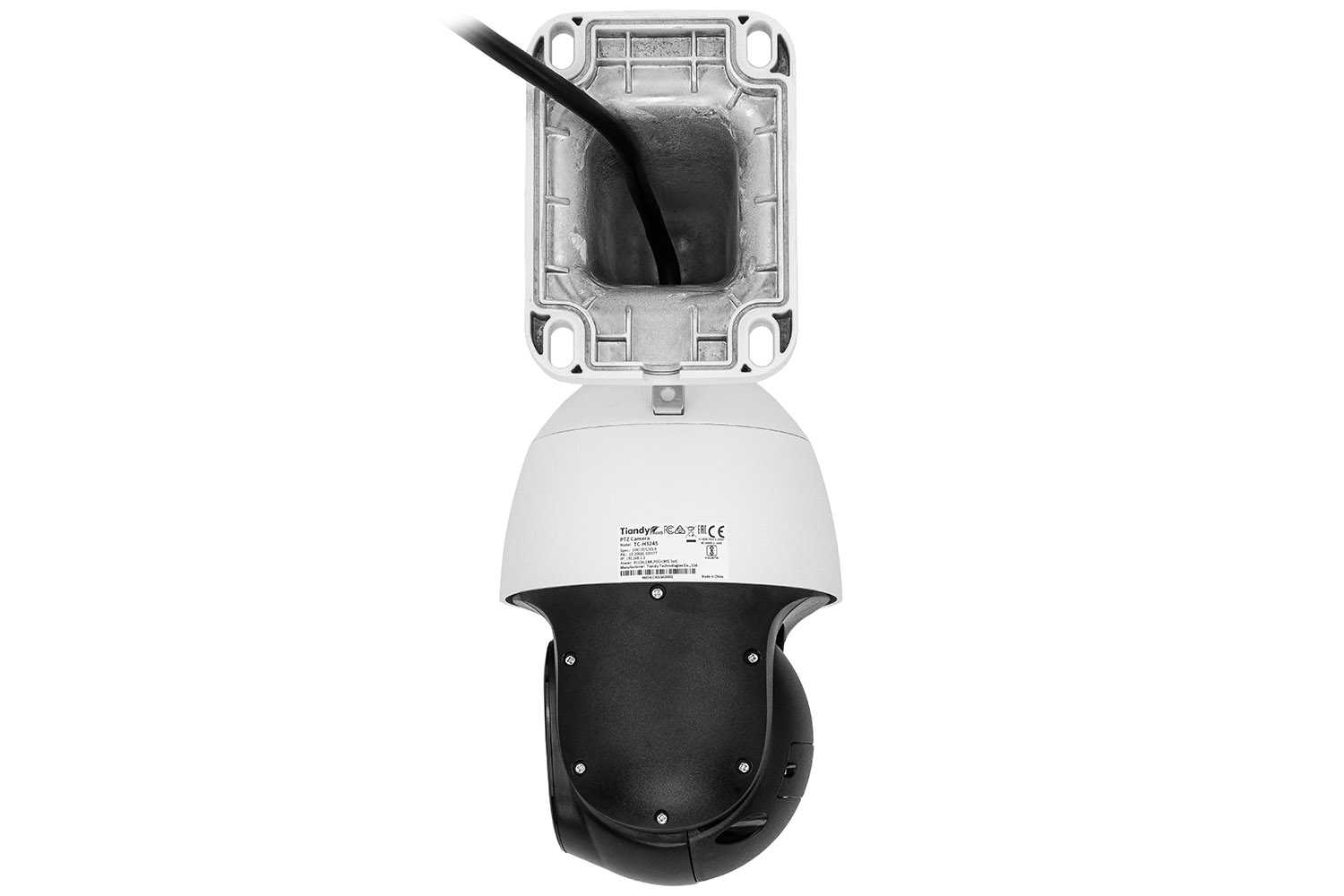
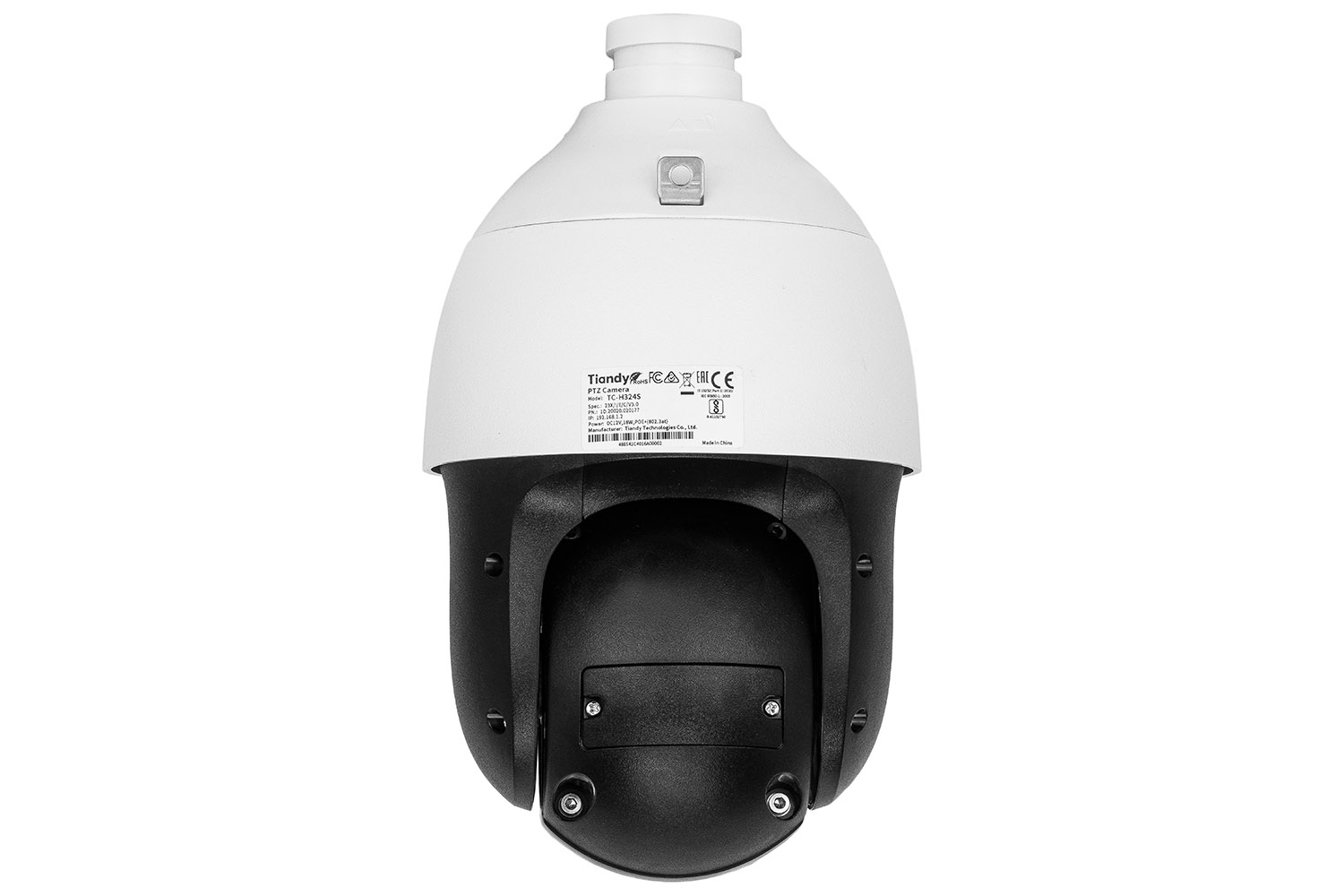
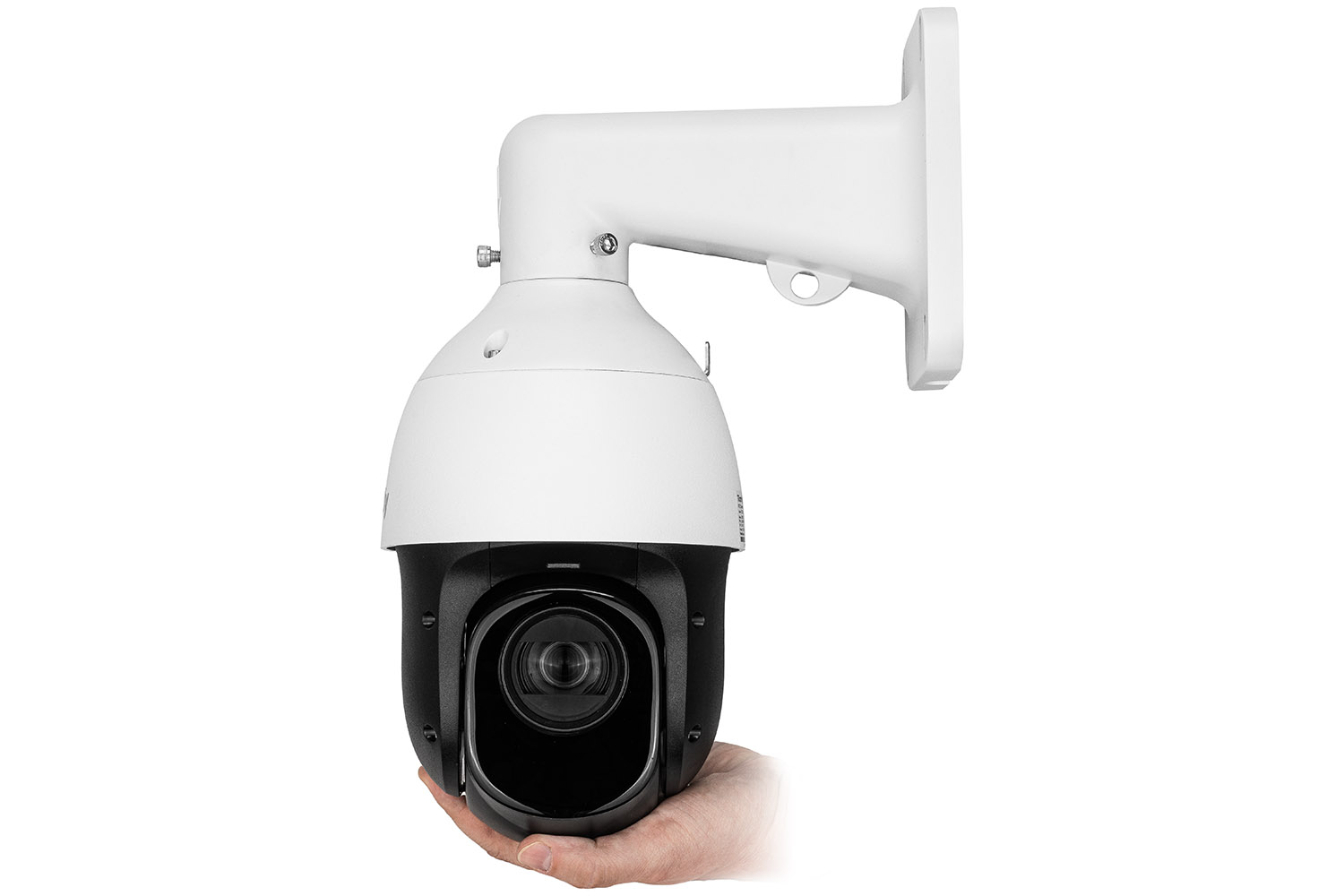
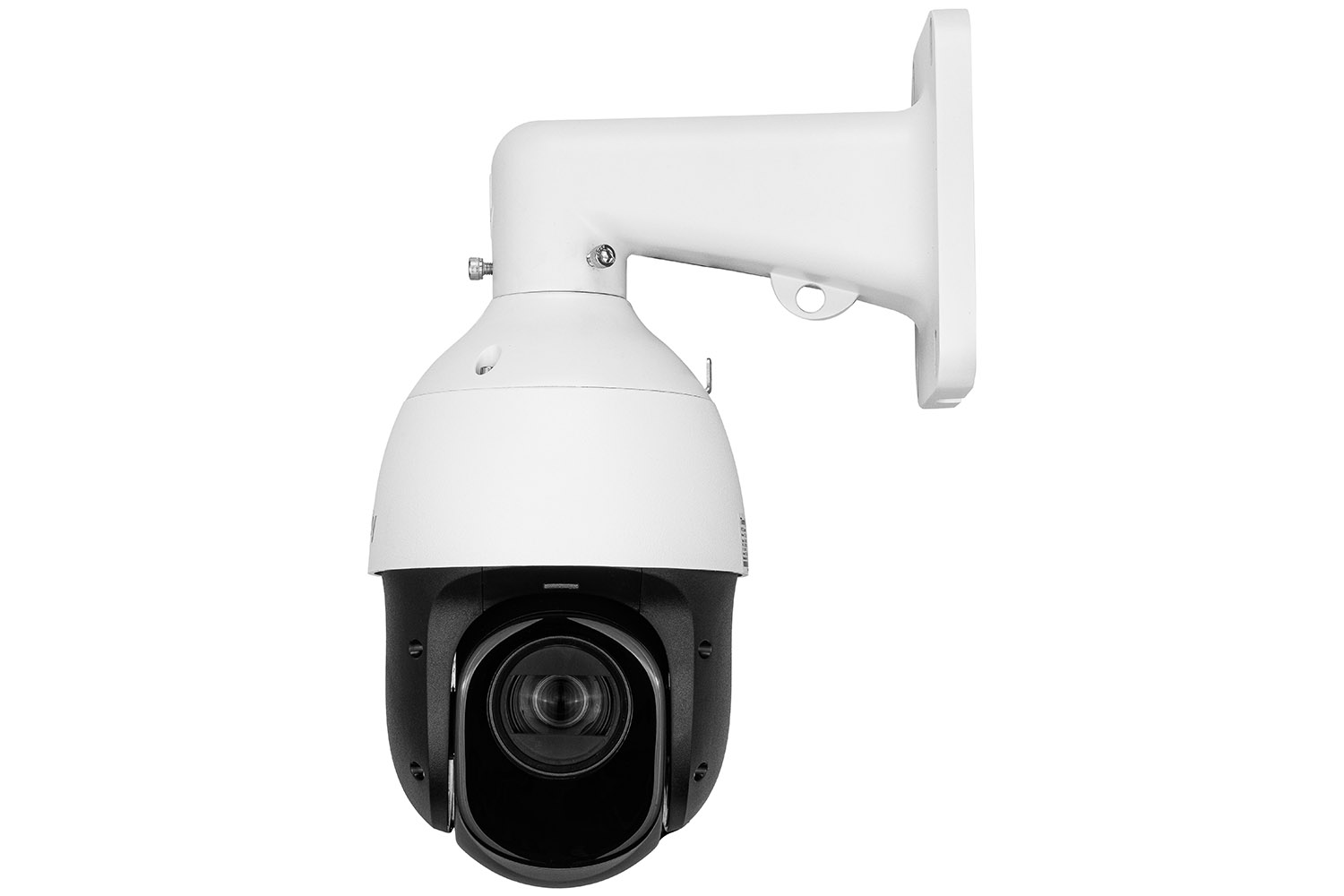
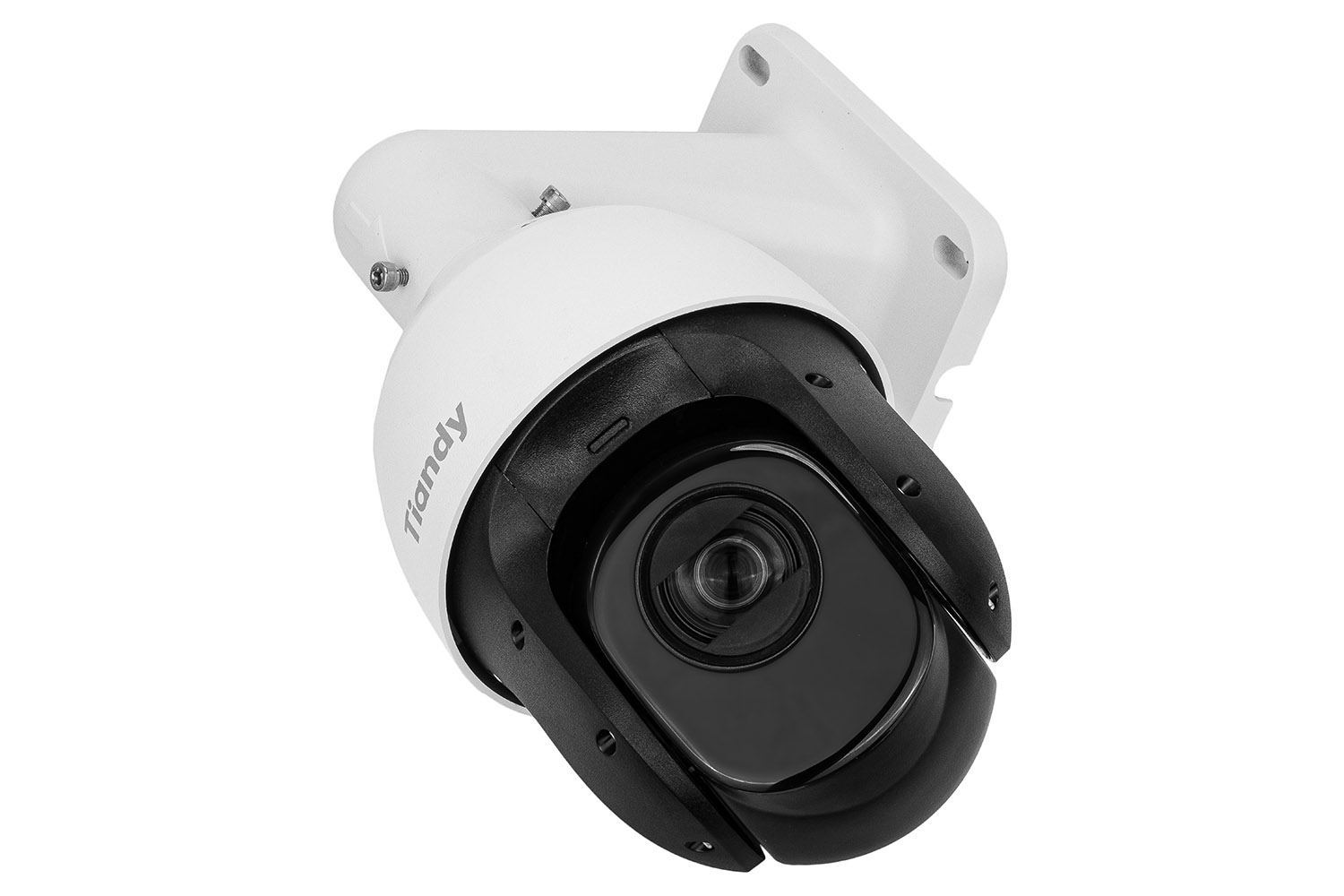
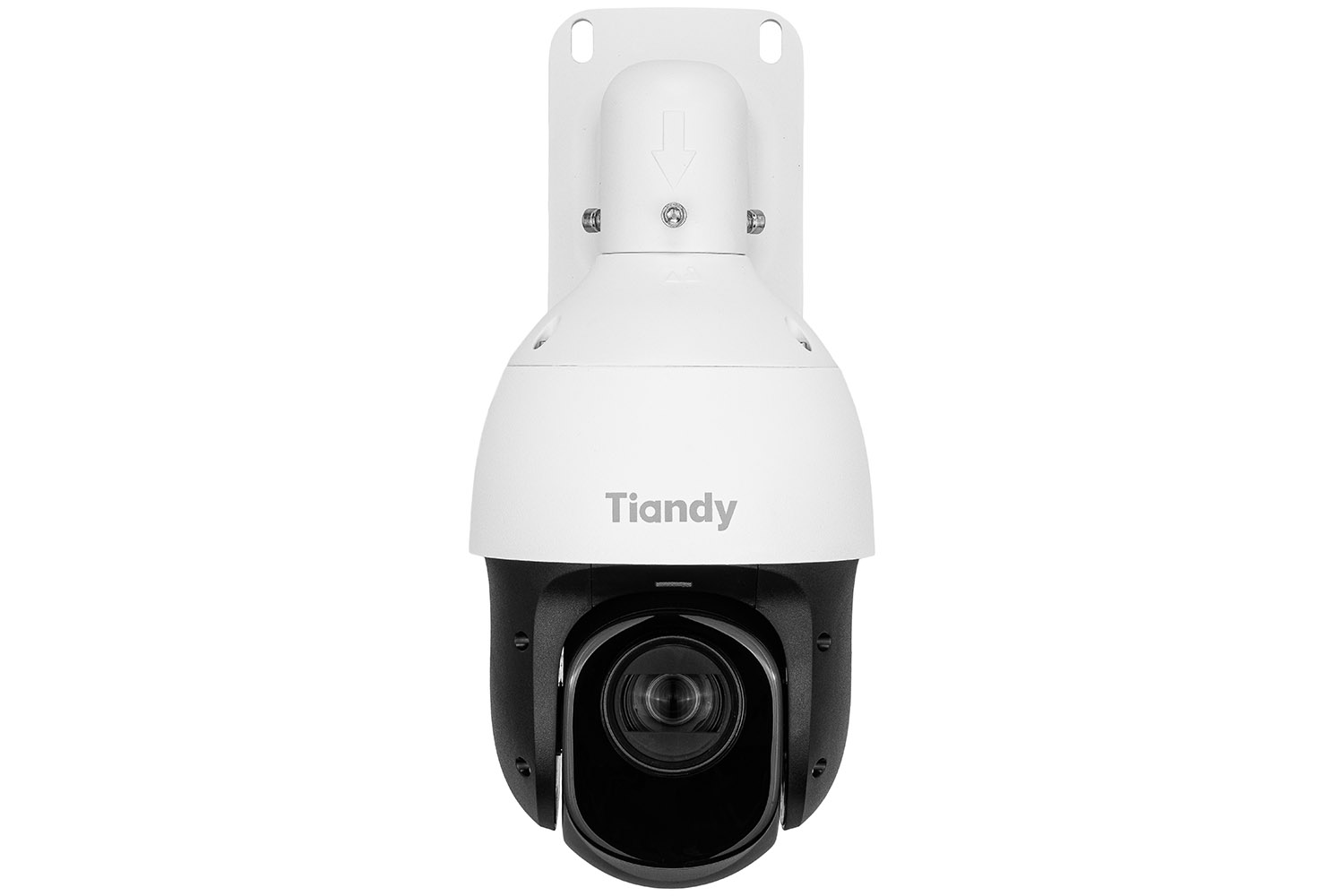
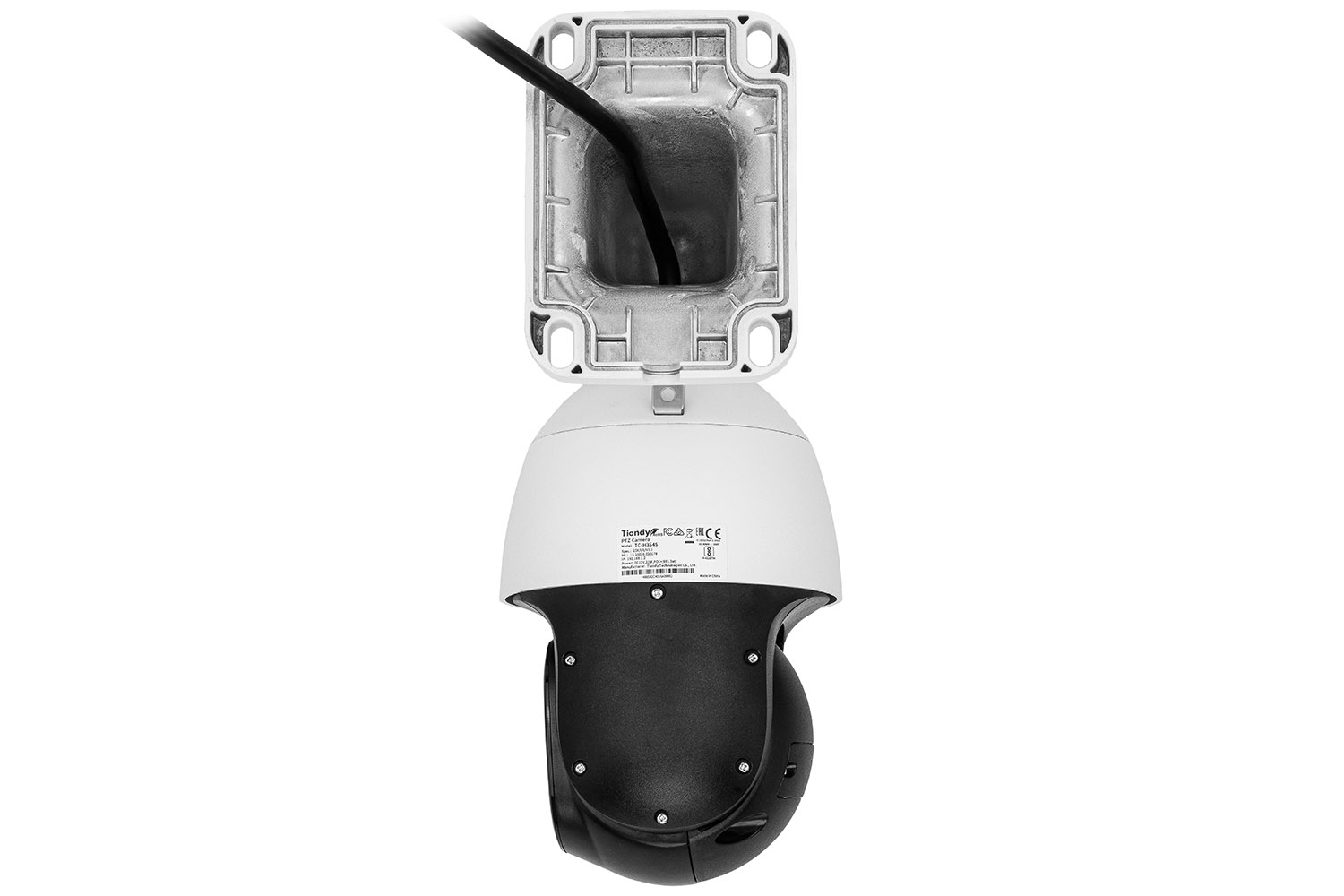
Specialized Product Photography - Custom Product
PTZ rotating cameras, because we are talking about them, are multi-elemental, very heavy (the weight can reach up to several dozen kilograms) they do not resemble ordinary cameras known to us, for example, from shops or banks, in fact, they look like laboratory equipment for research.
The fundamental question arises, how to photograph something so unusual, how to take a packshot photo of a device that is supposed to protect stadiums, ports, production halls and critical infrastructure? How to determine the price of a packshot for such a complex object? We will discuss these and other issues related to the product session on the example of such monsters as Tiandy models.
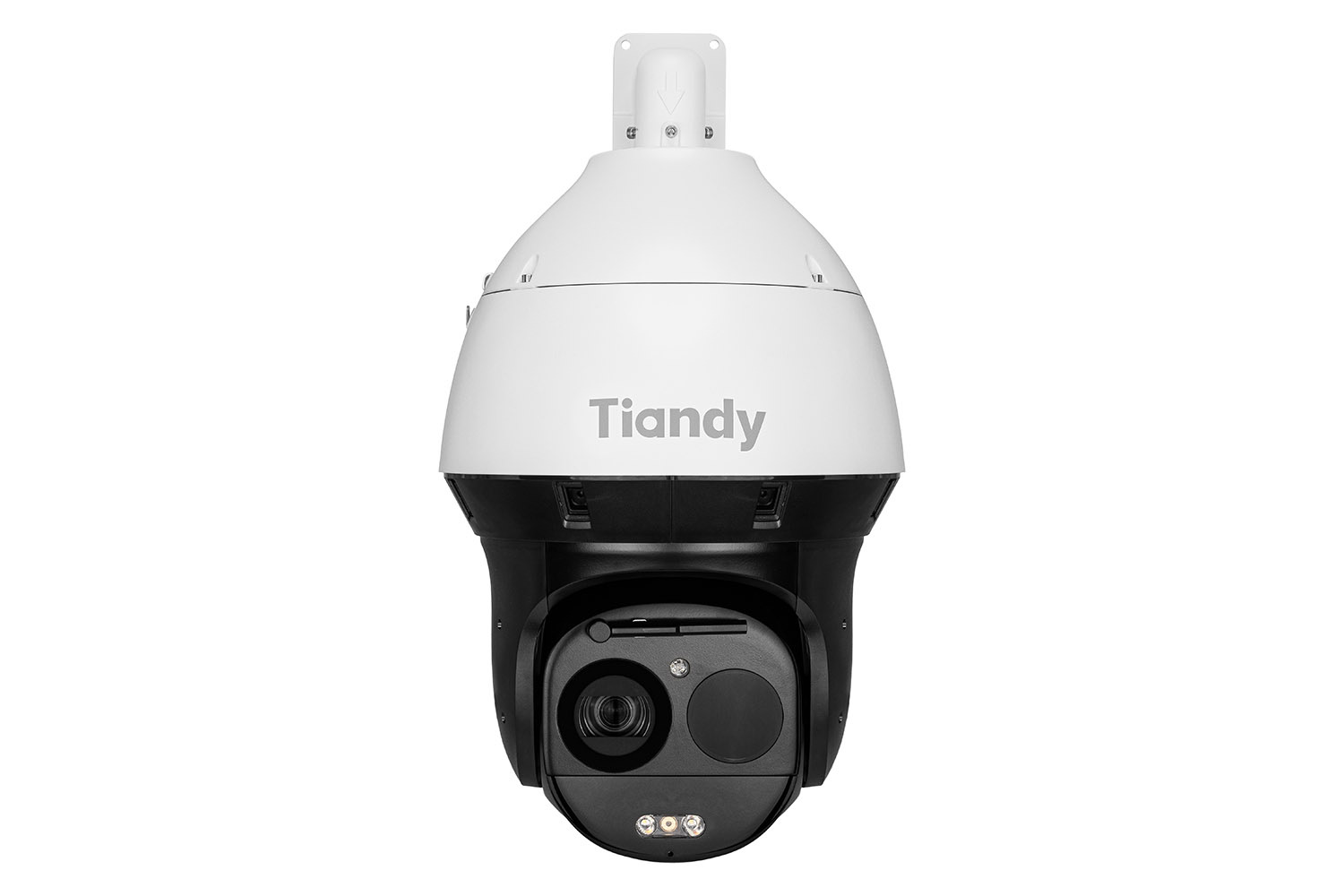
Heavyweight packshot
When a thirty- or forty-fourx optical zoom camera weighing more than 50 kg arrives at a product photography studio, there is no room for mistakes or jokes. It's not just a small camera, it's an intricate massive device made of solid aluminum castings. What to do when 3 pallets with only such goods arrive at the product photographer? When this type of delivery comes to us, we carefully check the condition of the equipment that came to us to eliminate potential misunderstandings with the customer, in case something is damaged. Then we move on to unpacking pallets and arranging the goods according to size: from the largest to the smallest devices. Electronics are placed on a floor padded with soft carpeting. After laying out the cameras, we move on to strengthening the shadowless table structure. The position where such heavy cameras are to stand must be stable. At the back of the table, we install a plasterboard, painted white, so that there is something to attach the camera frame to. In this phase of work, 3 most important elements can be distinguished:
-
Stability is key: Standard shadowless tables can "float" under such weight. Often, the photographer has to use reinforced tabletops or special platforms.
-
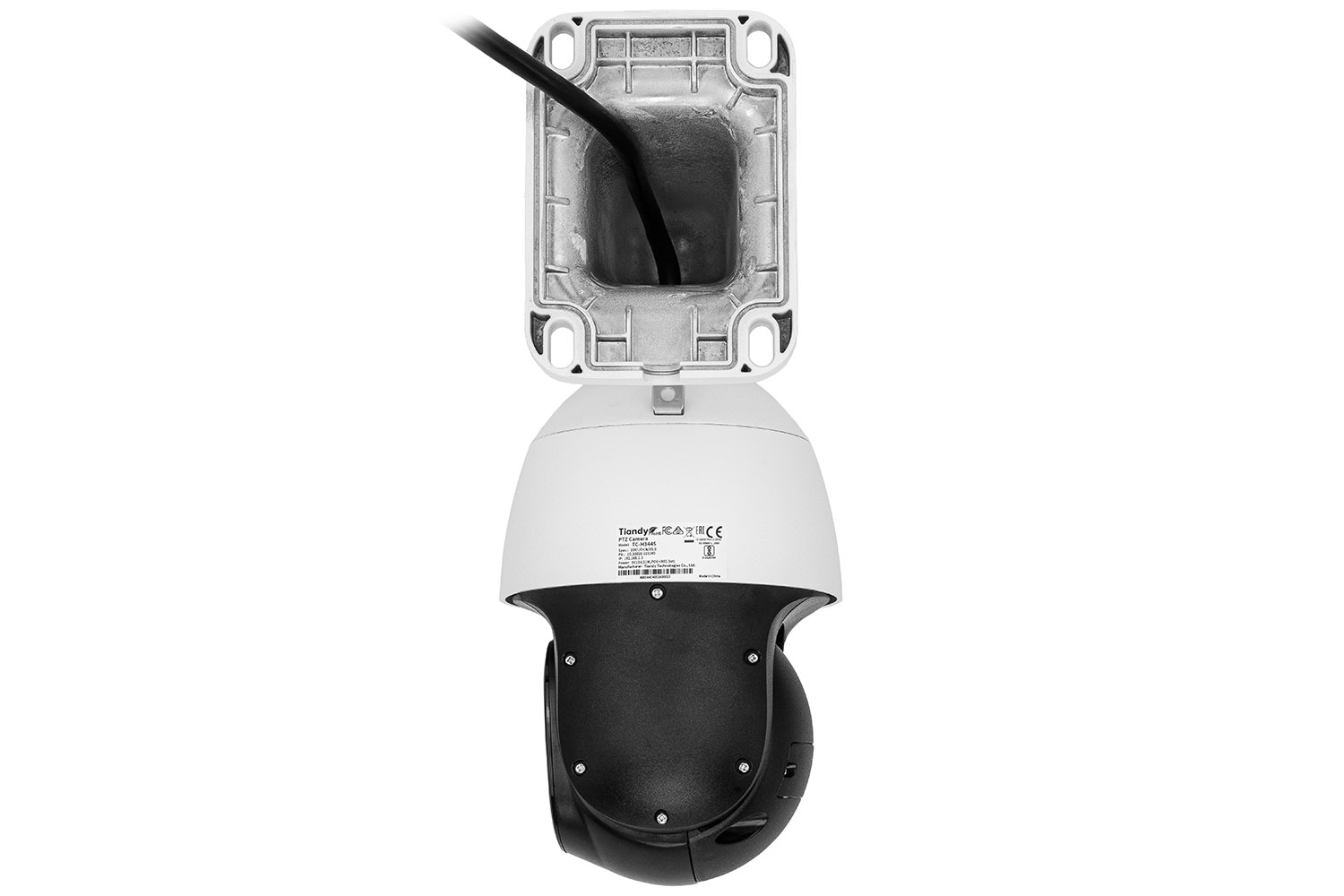
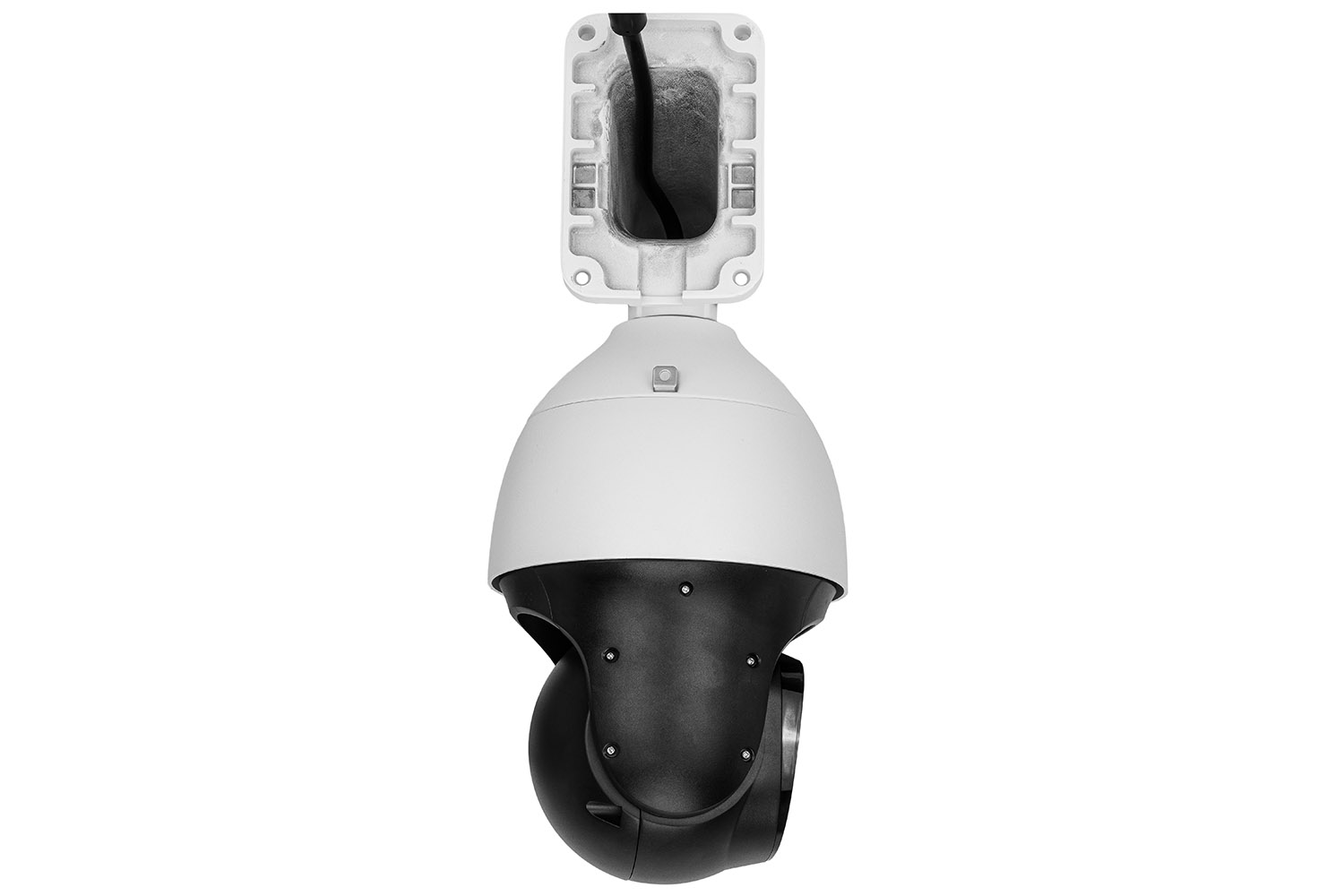
Manipulation: Rotating the camera to capture the back of the case or connector requires precision. One careless movement and we can damage delicate optics or... your own fingers.
-
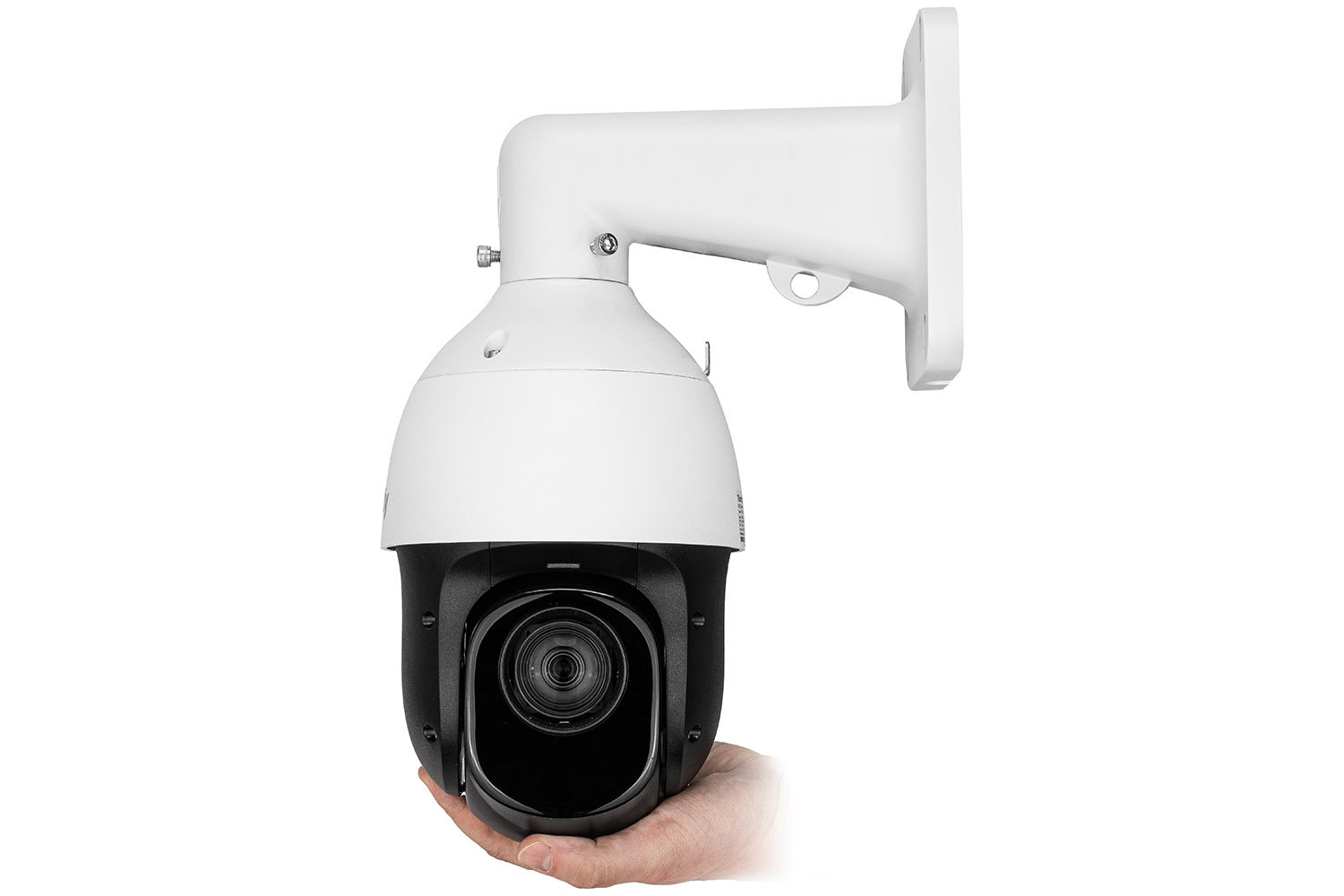
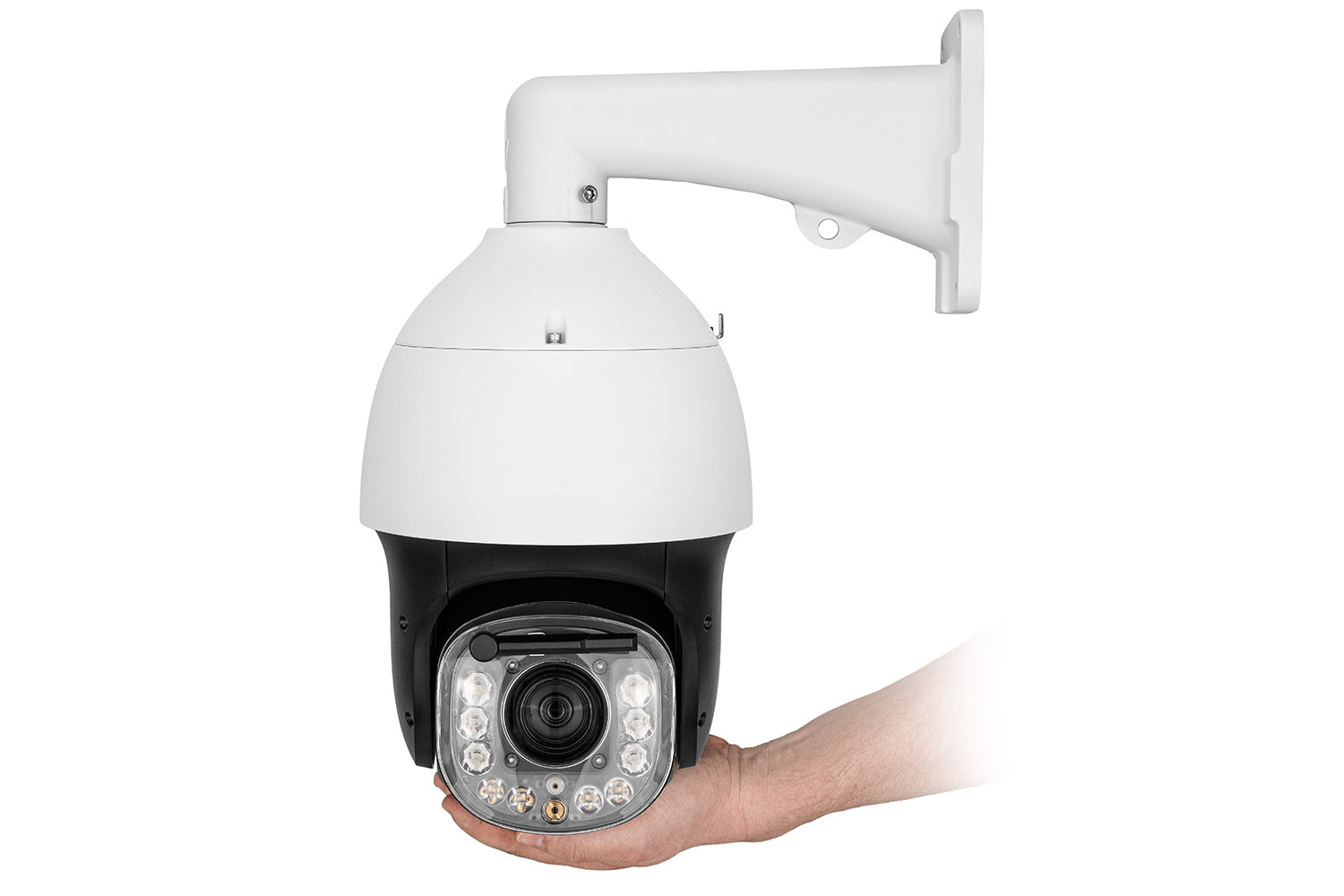
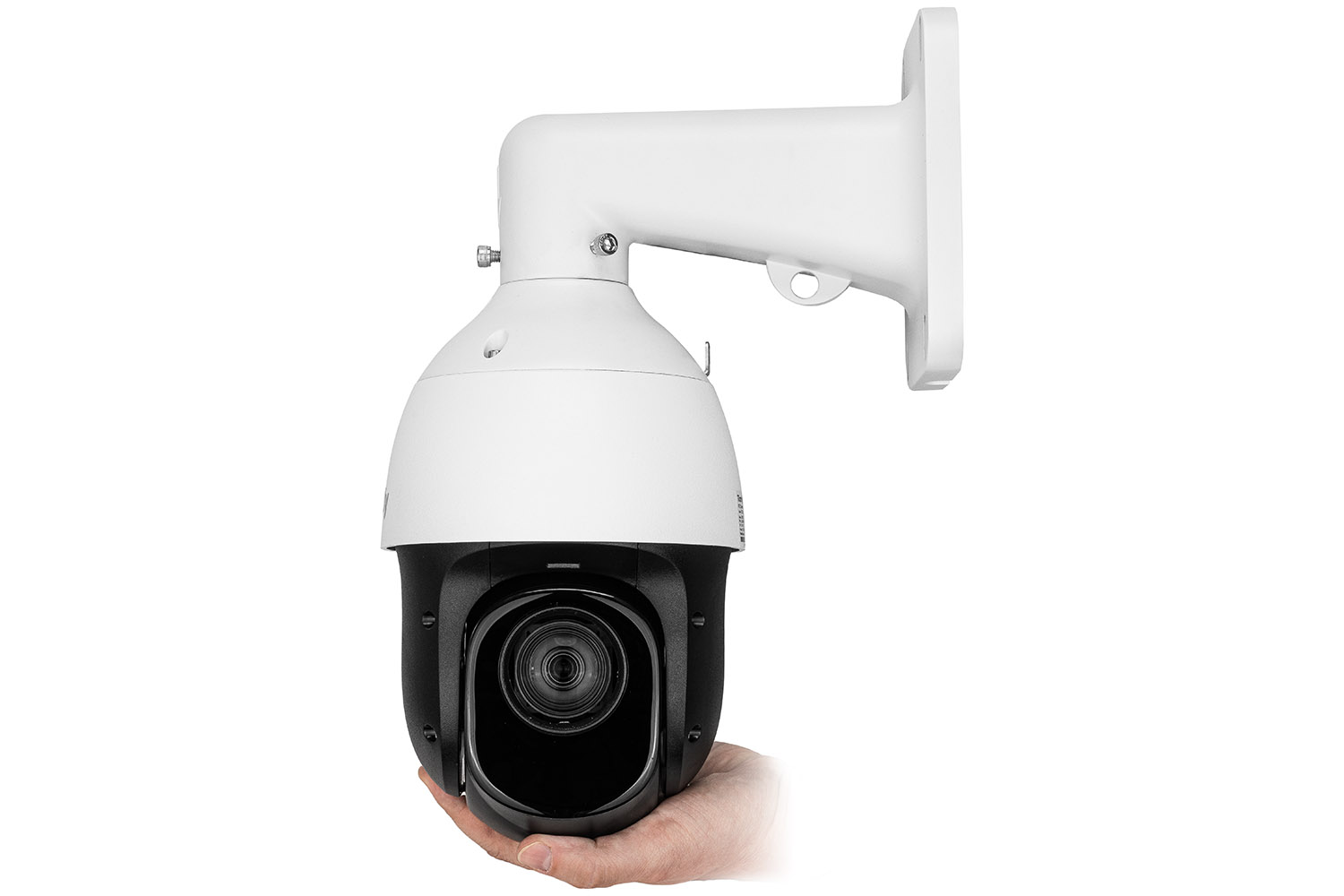
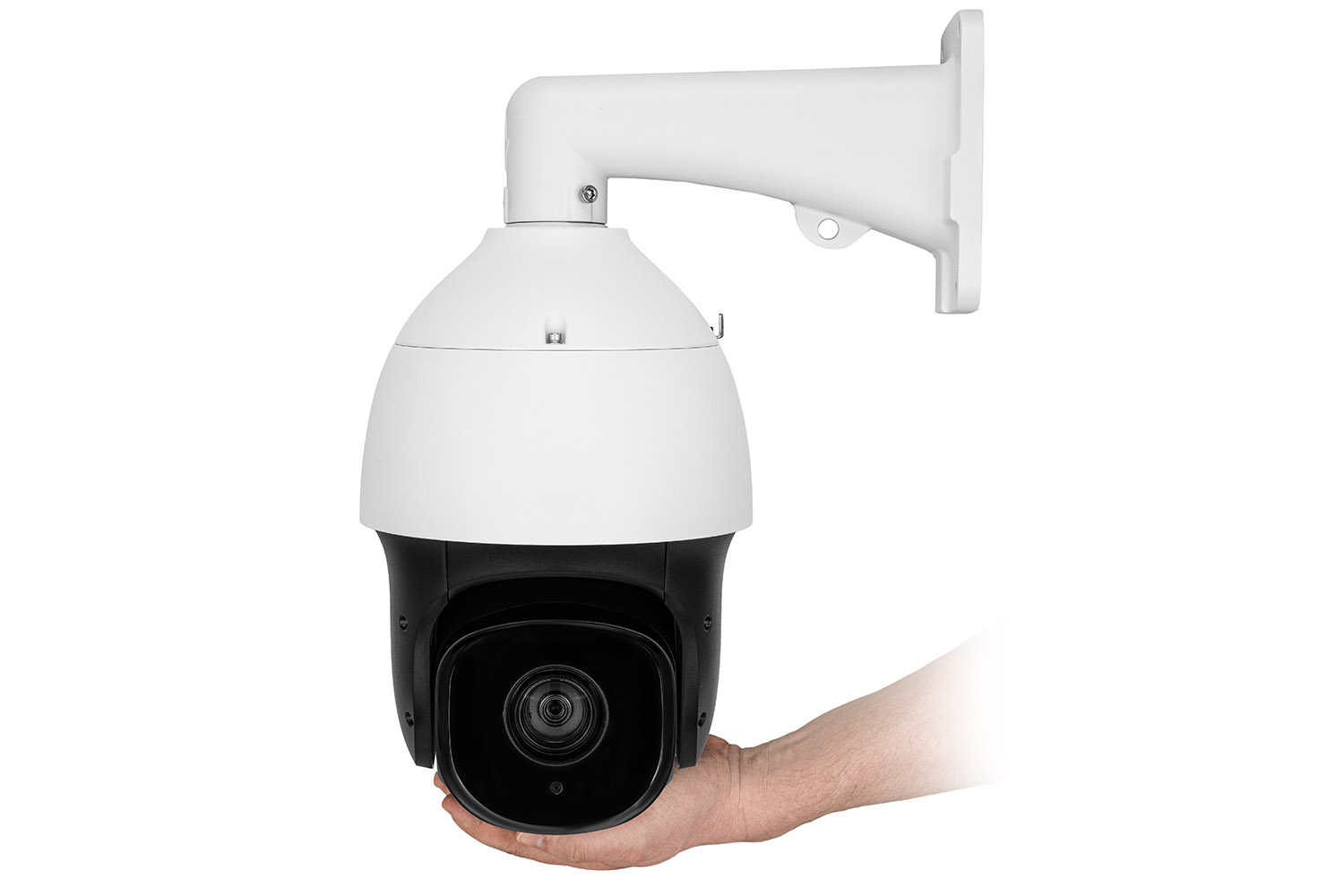
Human perspective: In one of the uploaded photos, we see a hand supporting the camera. This is a brilliant procedure in industrial photography – it gives an immediate reference point for scale. The customer immediately sees: "This is not a toy, it is a powerful tool."
Photographing optics - the "eye" that sees and reflects everything
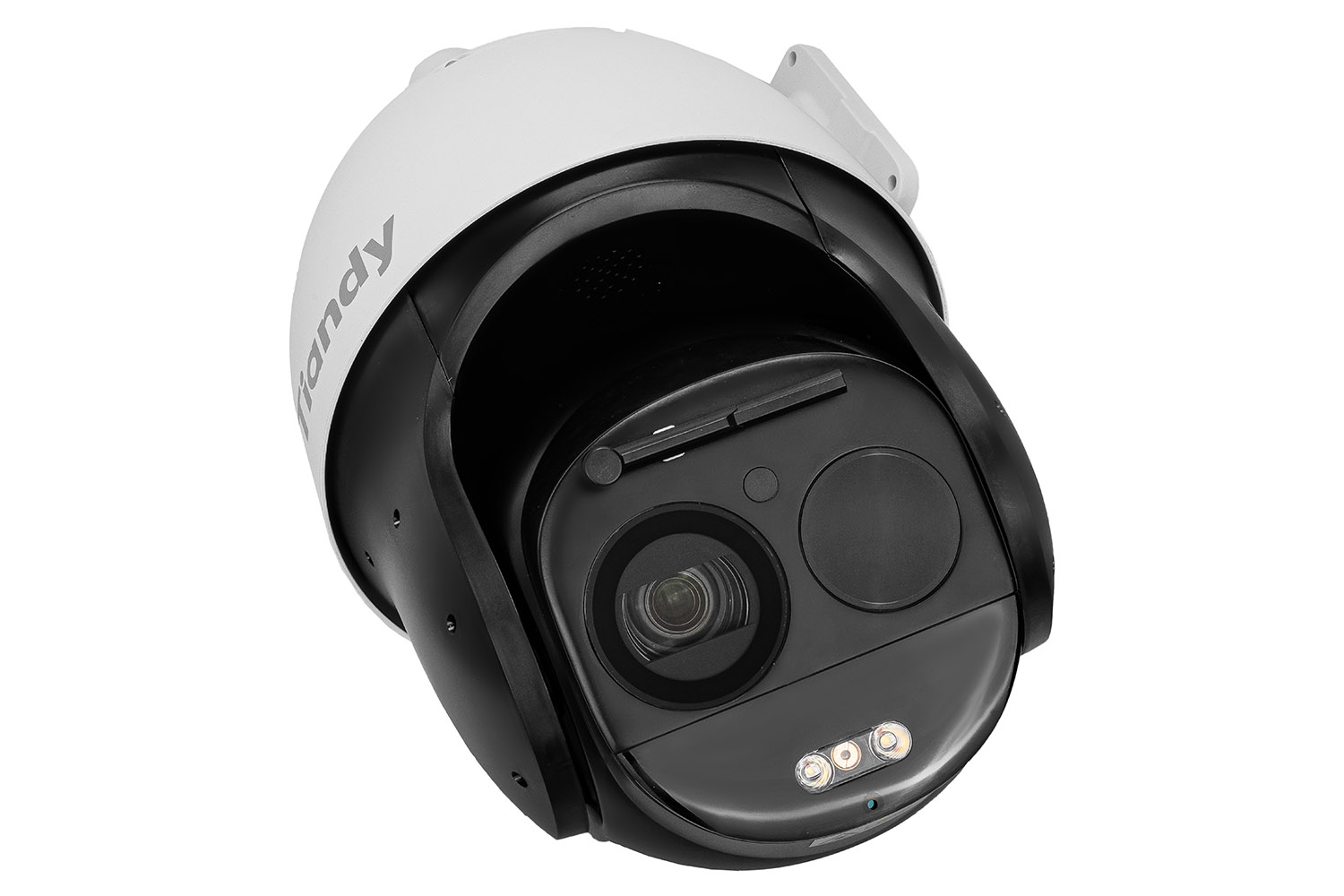
The most important component of any long-range industrial camera is its lens. Especially for models with above-average optical zoom, the front lens is large, dark and extremely reflective.
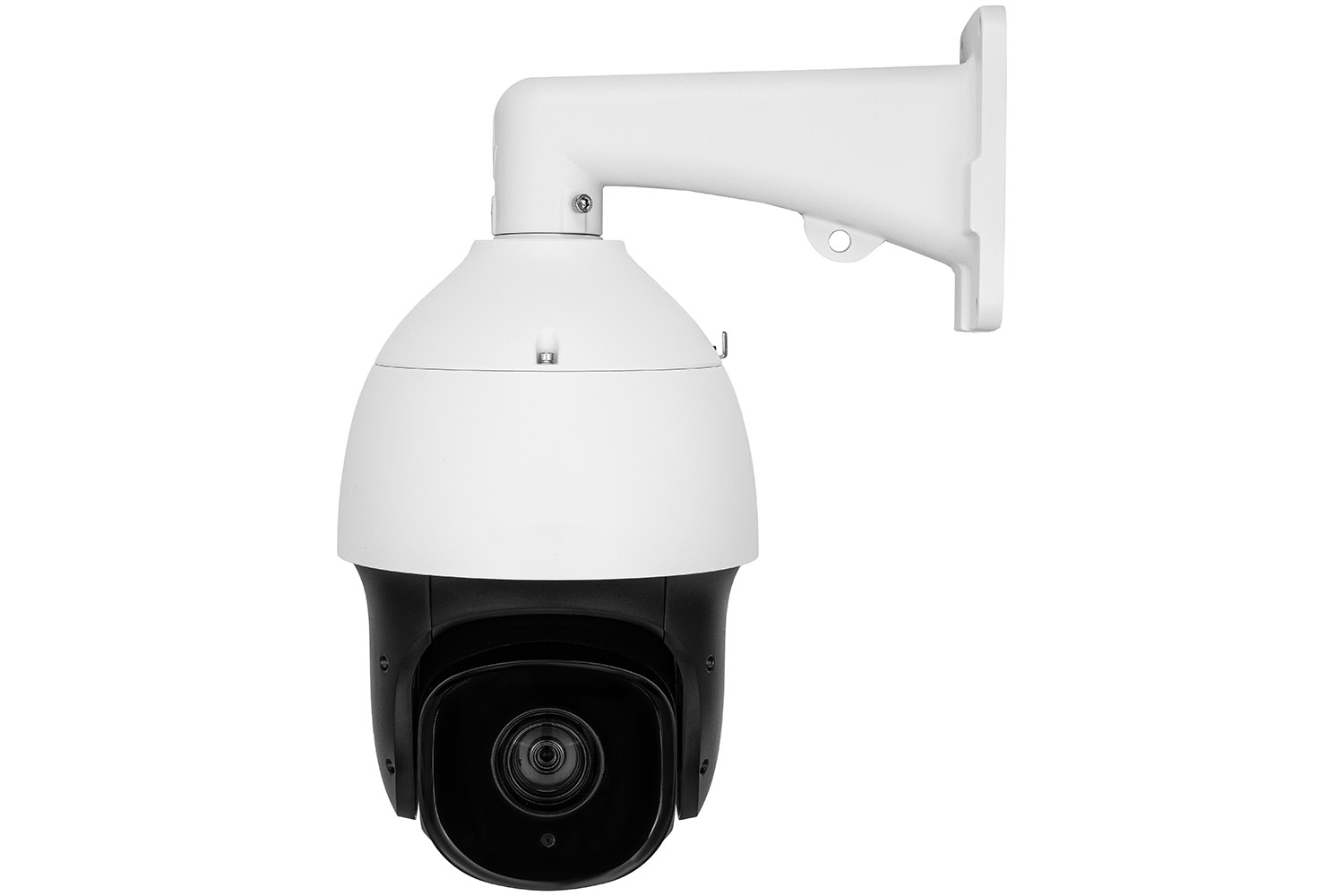
The most important thing is to avoid the reflection of the photographer and the lamps in the black glass of the lens. Sometimes the delicate reflection of the lamps is made at the special request of the customer. The most commonly used are large light modifiers (vinegars, huge softboxes) that create soft, gradient flashes on the case, but leave the lens clean and untainted. It is crucial to show IR illuminators and sensors hidden under a dark shade – they testify to the technological advancement of the equipment.
An uneven battle with contrast: white housing, black soul
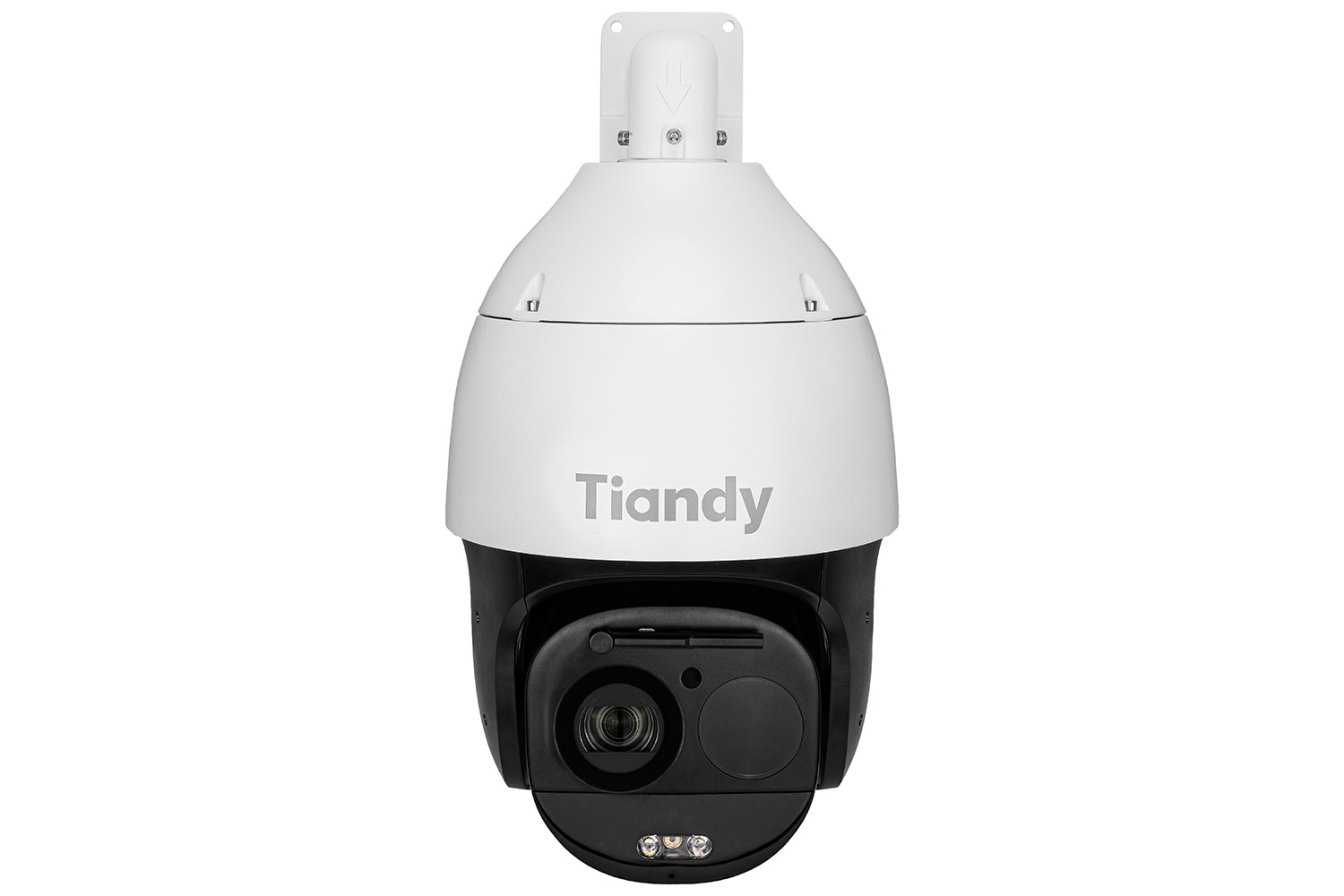
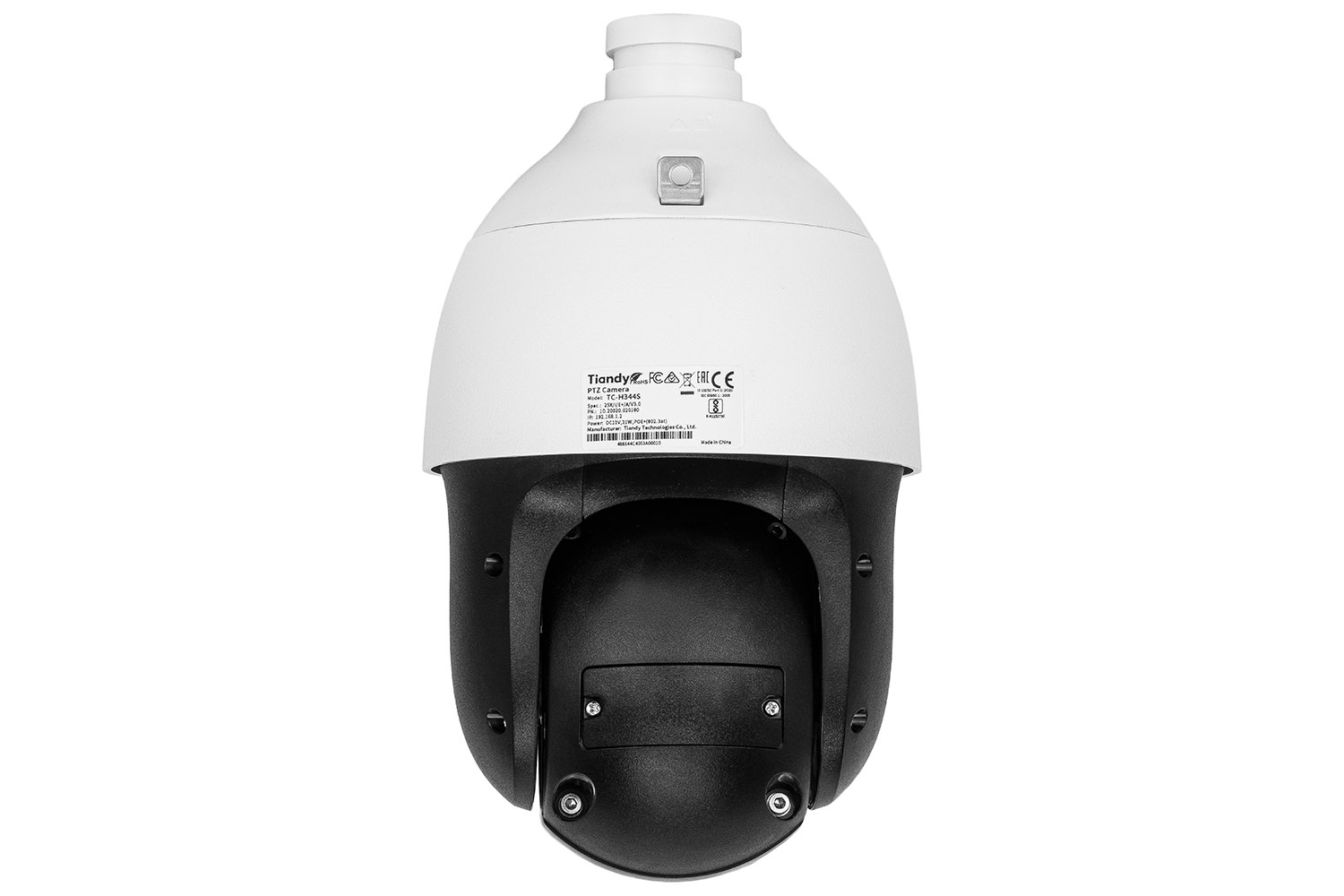
Most of the outdoor cameras are white (to get less hot from the sun), while the optical modules and seals are black. For the camera sensor, it's a nightmare of tonal range.
Shadow lighting: We need to precisely illuminate the black elements of the camera "head" so that they do not become a shapeless spot, while making sure that the white body does not "burn out" (loss of detail in the highlights). Sometimes it is necessary to take many photos with different exposures. Then everything is put together in one shot.
Material texture: A professional photo must reflect the texture of the powder-coated metal. The customer must feel the solidity of workmanship, looking only at the monitor screen.
The devil is in the details (and cables)
In industrial monitoring, a photo of the camera body itself is only half the battle. Accessories and connectors are equally important for the installer and system designer.
-
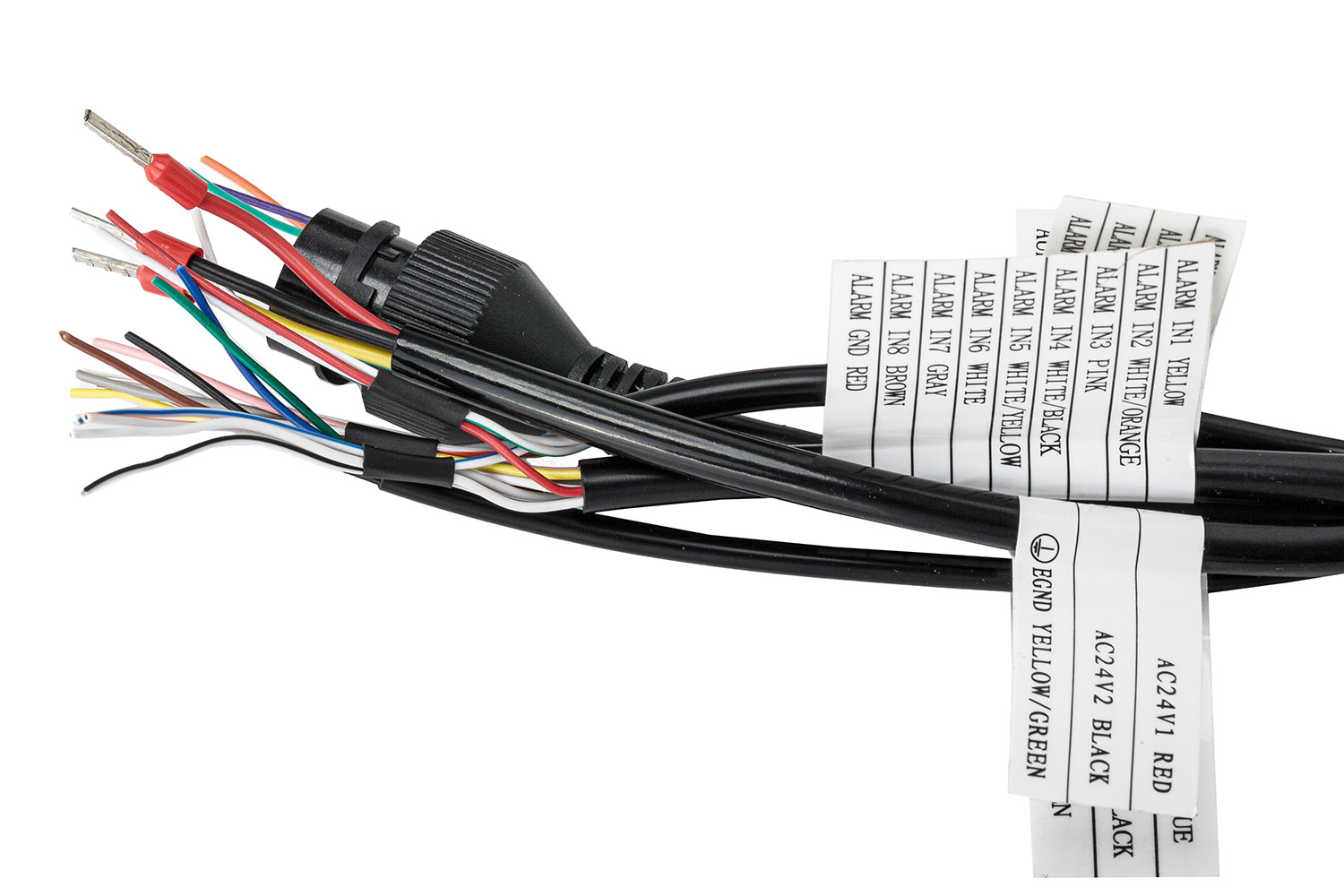
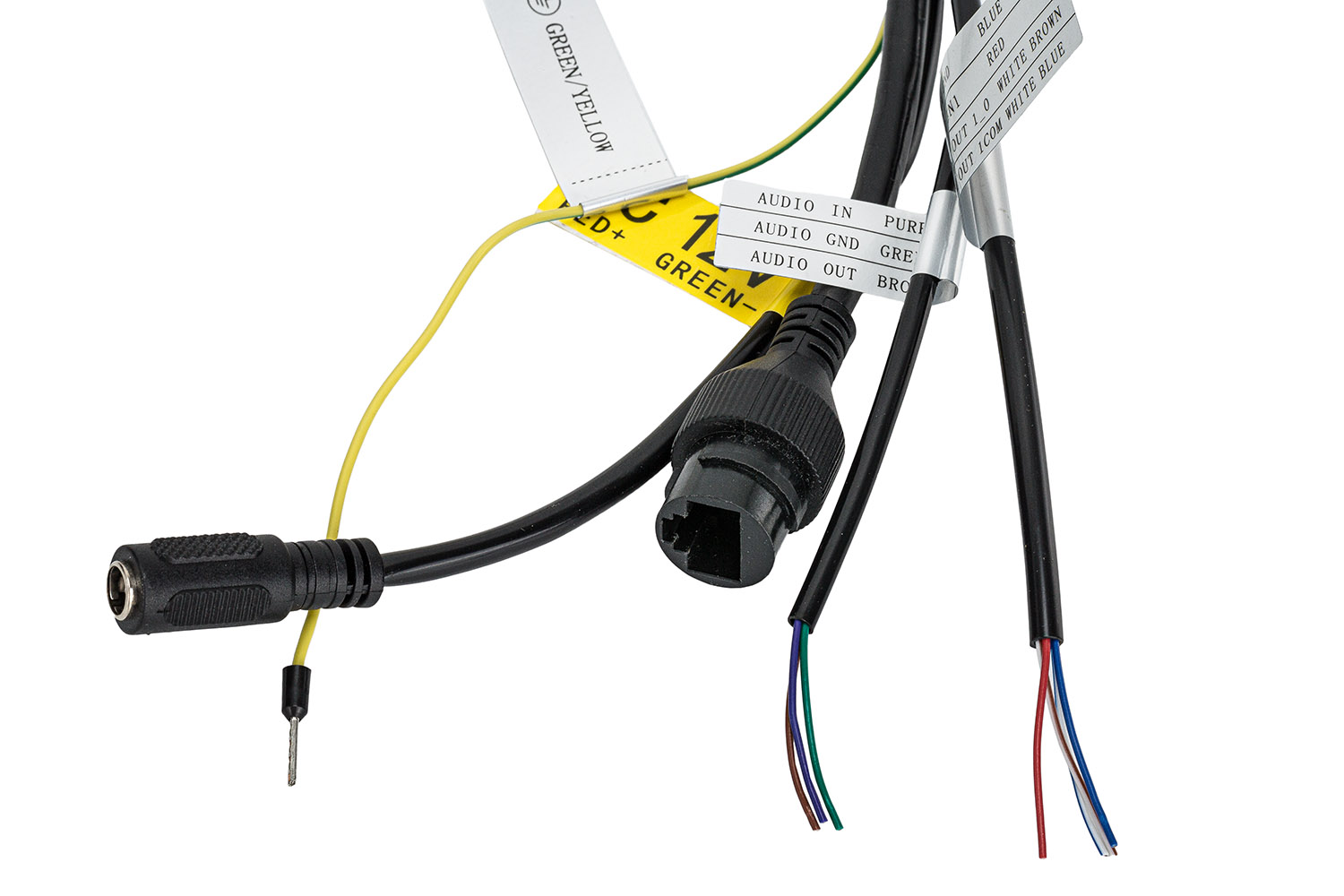
Wiring: Removing the wiring harness with legible labels (e.g., Alarm In, AC24V, Audio) is crucial. It is almost instructional photography. It must be sharp from the first to the last millimeter, which often requires the focus stacking technique (putting together multiple images with different levels of focus).
-
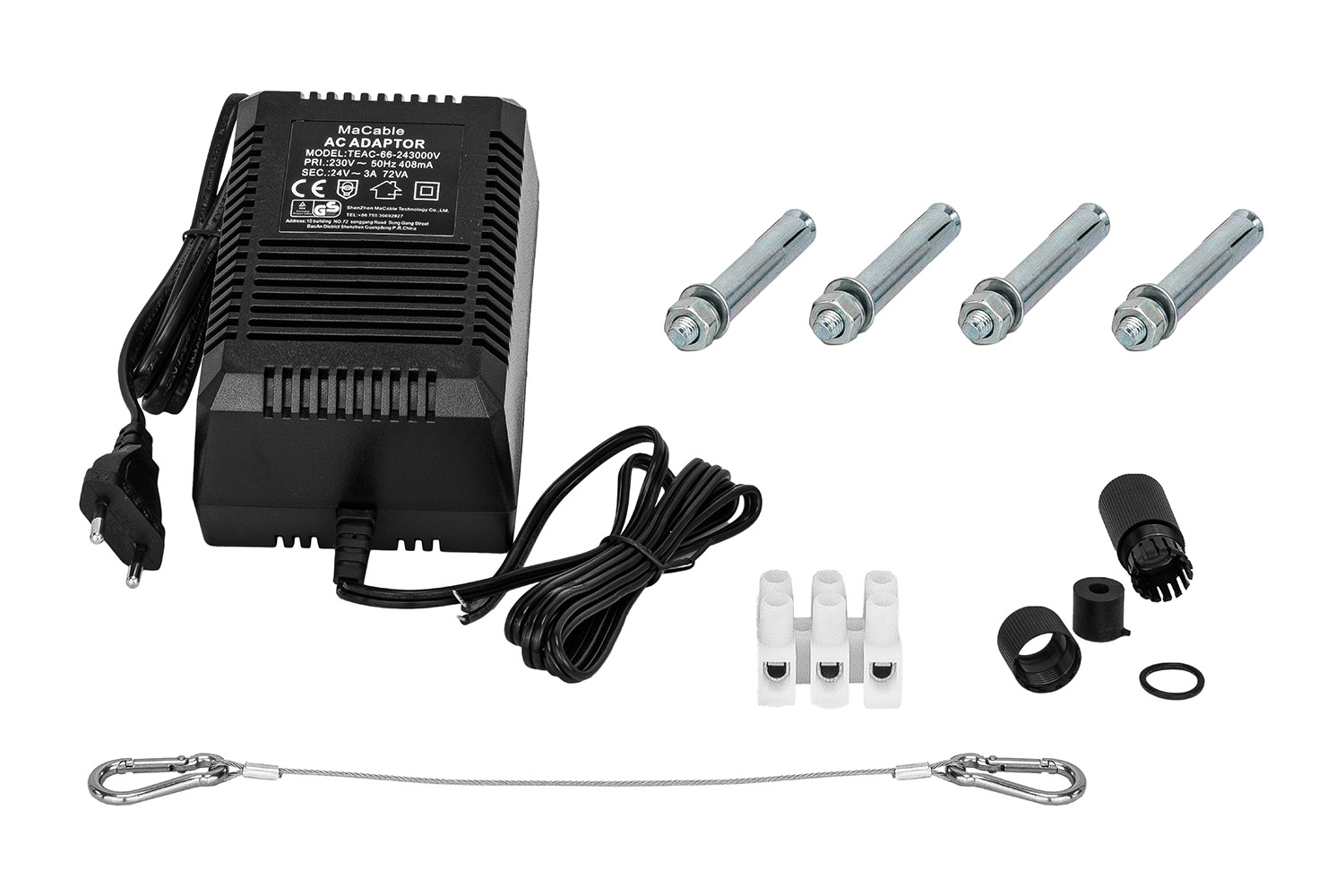
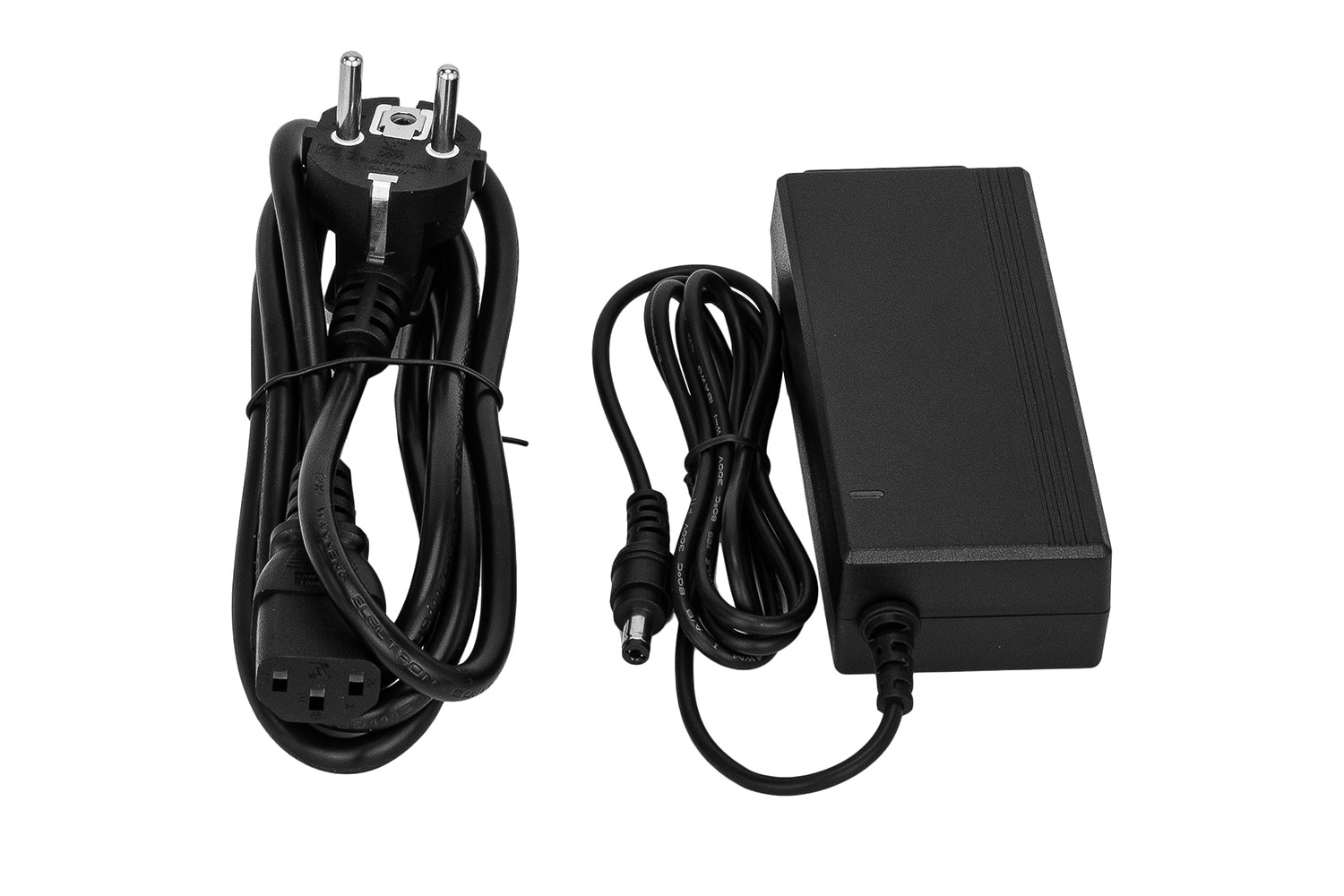
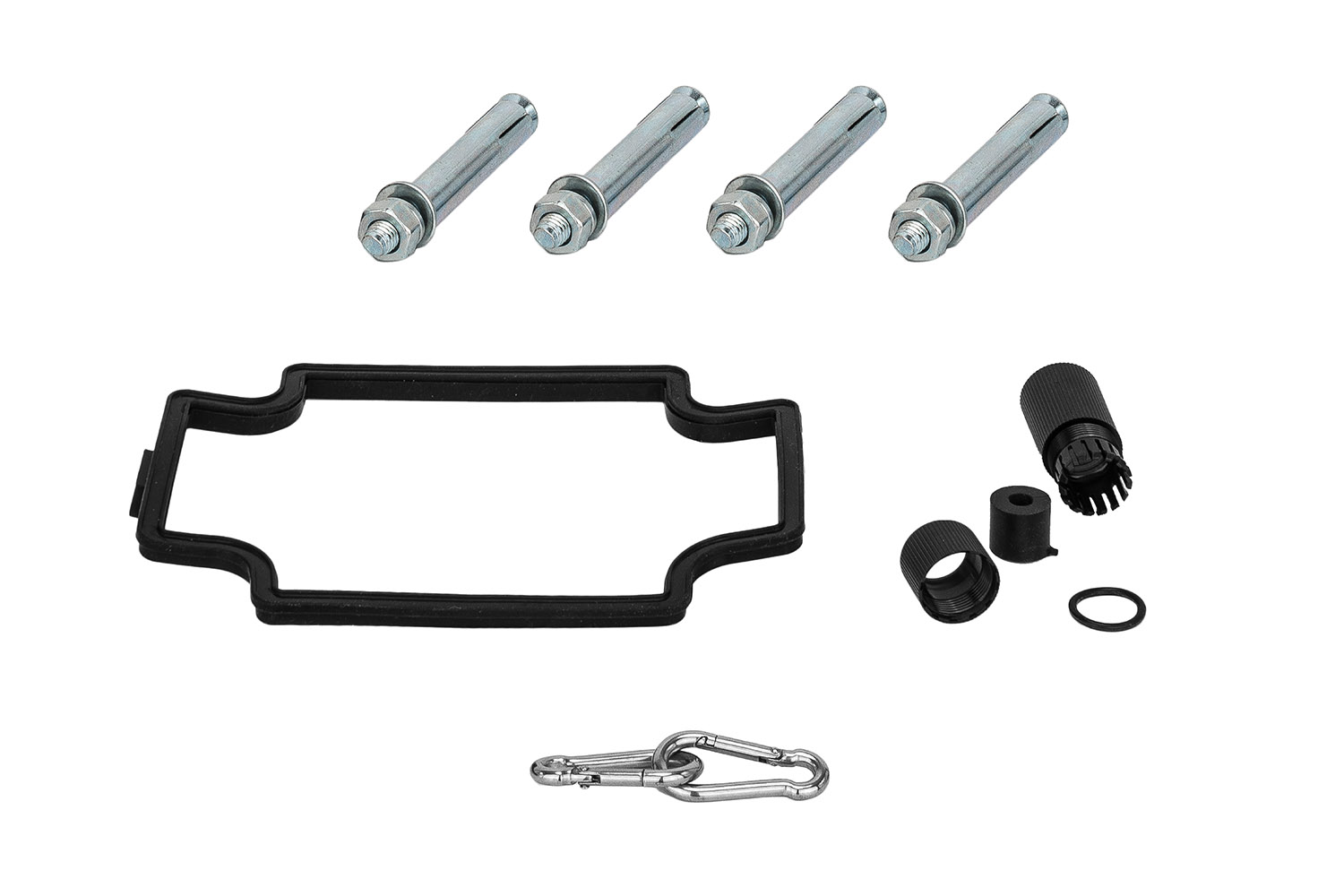
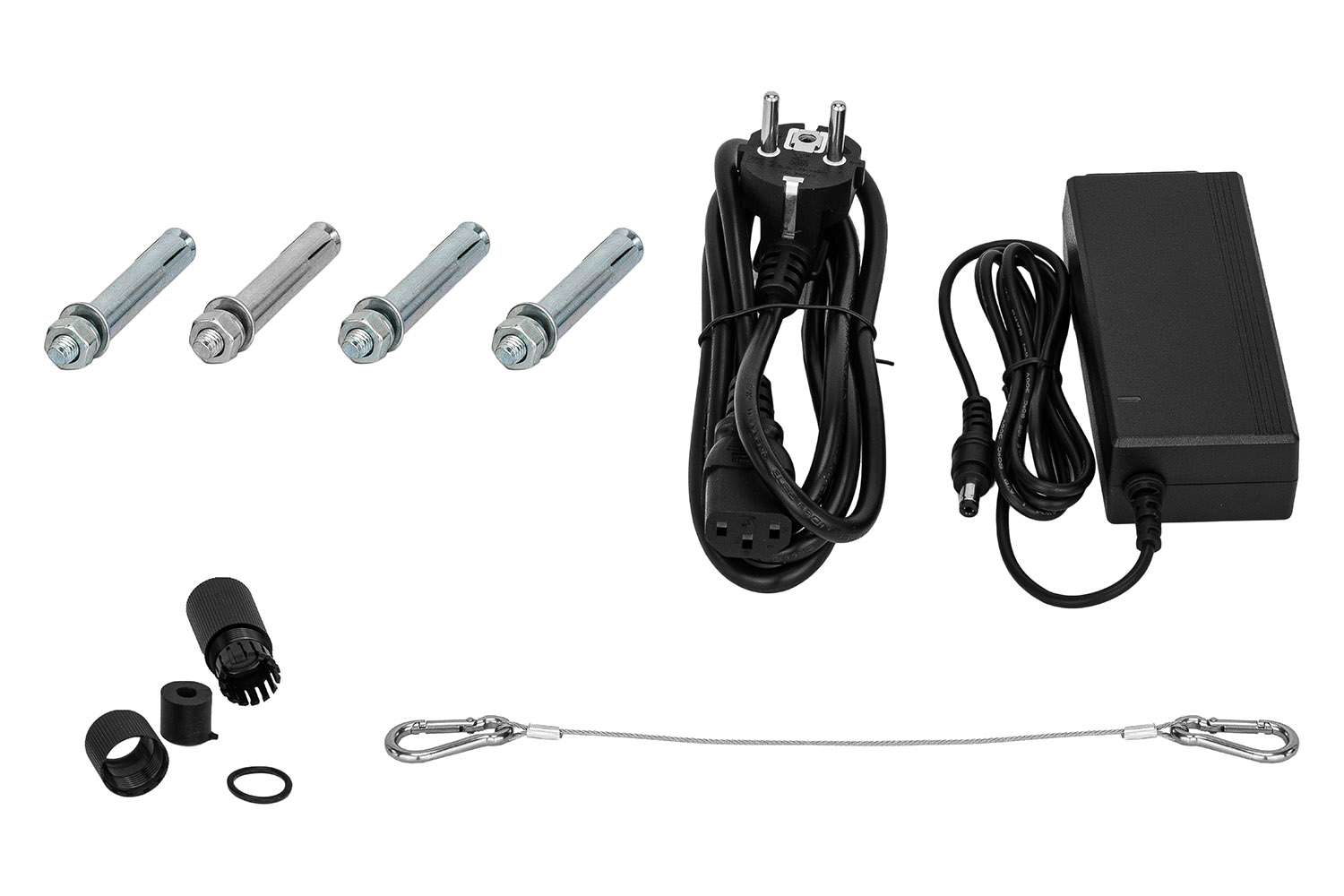
Mounting kit: Anchor bolts, power supplies, cable glands – showing them in an orderly, aesthetic way builds trust. The customer knows that they are buying a complete system ready to work in harsh environments.
Summary
Photographing powerful surveillance cameras is a specific niche in which the photographer becomes a bit of an engineer. You need to understand what is most important in such a device – whether it is a powerful zoom, a solid handle, or a complicated alarm beam. A good product photography in this industry is one that says, "This device will survive a storm, frost, and see an intruder from a mile away."

